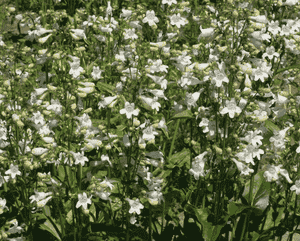
Foxglove beardtongue (Penstemon digitalis)
Also known as: Digitalis penstemon
An herbaceous plant related to plantains that is frequently used in roadside landscaping is the Foxglove beardtongue (Penstemon digitalis). Its name, Penstemon digitalis, hints at the finger-like appearance of the flowers, reminiscent of a gloved hand. This plant is easy to grow and maintain, making it a popular choice for roadside beautification projects.
In This Article
Attributes of Foxglove beardtongue
Lifespan
Perennial
Plant Type
Herb
Plant Height
91 cm to 1.5 m
Spread
45 cm to 50 cm
Leaf Color
Green Purple
Flower Size
2 mm to 3 mm
Flower Color
White Pink Purple
Images of Foxglove beardtongue
Quickly Identify Foxglove beardtongue
1
Tall clump-forming perennial, reaching up to 5 feet (1.5 meters) in height.
2
Distinctive 1-inch (2.5 cm) two-lipped white or purple-tinged tubular flowers.
3
Oval seed capsules emerge after flowering, transitioning from green to brown.
4
Basal oval leaves measuring 2-6 inches (5-15 cm) with lance-shaped stem leaves.
5
Slender green stem with purple tinges, hollow core, and smooth texture.
Scientific Classification of Foxglove beardtongue
Phylum
Vascular plants
Class
Dicotyledons
Order
Lamiales
Family
Plantain
Genus
Penstemon
Species
Foxglove beardtongue
Planting and Growing of Foxglove beardtongue
Care Difficulty
Easy
Watering Schedule
Every 3 days
Sunlight Requirements
Full sun
Sunshine Duration
4-10 hours
Ideal Temperature
60-75℉
Soil Type
Potting Mix, Peat Mix
Soil pH
6.5-7.5
Fertilizer Type
Balanced
Pruning Season
Spring, Summer
Pruning Area
Branches, Leaves
Pruning Frequency
2 times a year
Repotting Season
Spring
Pot Type
Plastic, Ceramic
 How to Water Foxglove beardtongue?
Penstemon digitalis prefers moderate watering. Ensure the soil is kept consistently moist but not waterlogged. Water thoroughly allowing the water to reach the root zone, approximately 500 ml per plant. This amount ensures deep soil penetration, promoting a robust root system and preventing surface rooting.
What are the symptoms of an underwatered Foxglove beardtongue?
›
What should I do if my Foxglove beardtongue is not getting enough water?
›
What are the symptoms of an overwatered Foxglove beardtongue?
›
How to save an overwatered Foxglove beardtongue?
›
 What Are the Sunlight Requirements for Foxglove beardtongue?
Penstemon digitalis thrives best under full sun, benefiting from 6-8 hours daily which promotes vigorous growth, healthy foliage, and increased blooming.
More About Sunlight Requirements Techniques→
Why is direct sunlight ideal?
›
How to achieve these light conditions?
›
What are the benefits of ideal lighting?
›
 What Is the Ideal Temperature Range for Foxglove beardtongue?
The ideal temperature range for growing Penstemon digitalis is between 60°F and 75°F. This range provides the most conducive environment for optimal growth and flowering, ensuring the plant's developmental processes occur without undue stress from temperature extremes.
 What Soil is Best for Foxglove beardtongue?
Penstemon digitalis thrives in soil that is well-drained, which prevents waterlogging and root rot. This requirement ensures the plant has access to nutrients while preventing suffocation or disease caused by excess moisture. This plant does well in soils with moderate nutrient levels, avoiding the stress of overly fertile conditions. It fosters strong, healthy growth and abundant flowering, contributing to the plant's robustness. It prefers soil with a pH range of 6.5 to 7.5, which allows for optimal nutrient uptake. This range curtails nutrient imbalances and toxicities, facilitating lush green foliage and vibrant blooms.
 How to Fertilize Foxglove beardtongue?
For Penstemon digitalis, a balanced approach is key. Use a half-strength, all-purpose liquid fertilizer, applying about 500 ml per plant per session. For granular fertilizers, a handful around the base of the plant is adequate. Too much can lead to lush foliage but poor flowering.
 How to Prune Foxglove beardtongue?
Start by sterilizing your pruning shears to prevent the spread of disease. Assess the plant structure and remove any dead, diseased, or damaged stems first. Then, trim away faded flower stalks after blooming to encourage a second wave of flowers. Identify overly crowded areas and thin them out to promote air circulation and sunlight penetration. Don't over-prune as it might stress the plant; aim for a balanced shape. In late summer or early autumn, conduct a light pruning session focused on removing dead foliage and cutting back the plant slightly to prepare it for winter dormancy. This helps reduce the risk of pest infestations and diseases during the colder months while keeping the plant neat.
More About Pruning Techniques→
 How to Propagate Foxglove beardtongue plant?
1
Begin by filling your seed trays or pots with a well-draining seed starting mix. Sow Penstemon digitalis seeds on the surface and lightly cover with a thin layer of soil or vermiculite. Maintain consistent moisture and provide gentle warmth to promote germination, which typically occurs in a few weeks.
2
For cutting propagation, choose healthy, non-flowering stems and make clean cuts about 4-6 inches long. Remove the lower leaves, dip the cut end in rooting hormone, and plant it in a pot filled with a mixture of perlite and peat. Keep the soil moist and provide indirect light to encourage root development.
3
In early spring, dig up clumps of Penstemon digitalis with a spade, ensuring you preserve as many roots as possible. Carefully separate the clumps into sections, each with ample roots and shoots. Replant the divisions in desired locations, ensuring immediate watering to help them establish quickly.
 How to Repot Foxglove beardtongue plant?
1
The best time to repot your Penstemon digitalis is when you notice it becoming root-bound or when the soil no longer retains moisture effectively. Look for roots visibly emerging from drainage holes or a noticeable slowdown in plant growth as clear repotting signals.
2
Select a pot that is one size larger than the current one, ensuring it has drainage holes. This prevents waterlogging and allows the roots to grow comfortably. A terracotta pot is ideal as it also helps with moisture regulation, keeping the Penstemon digitalis happy.
3
Choose a well-draining potting mix, rich in organic matter. A mix designed for flowering perennials works excellently. This ensures the roots have ample access to air and nutrients while preventing root rot, promoting healthy and vigorous growth for your Penstemon digitalis.
Learn More About Foxglove beardtongue Diseases
Anthracnose
Bacterial Leaf Spot
Bacterial Wilt
Crown Gall
Cyst Nematode
Damping-off
Downy Mildew
Drought Stress
Fusarium Wilt
Gray Mold
Leaf Curl
Leaf Spot
Mosaic
Nutrient Deficiency
Nutrient Toxicity
Powdery Mildew
Root Rot
Root-knot Nematode
Rusts
Sooty Mold
Spider Mites
Temperature Stress
Thrips Damage
White Mold



