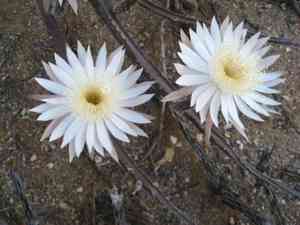
Queen of the night (Peniocereus) (Peniocereus)
Also known as: Desert Night-Blooming Cereus, Queen of the Night
The genus **Peniocereus**, often known as the "queen of the night," consists of roughly 18 species of vining cacti. These cacti, native to the southwestern United States and Mexico, are notable for their large underground tubers and slender, inconspicuous stems.
In This Article
Attributes of Queen of the night (Peniocereus)
Lifespan
Perennial
Plant Height
2-3 meters
Spread
Generally sparse, but the stems can spread over a wide area
Leaf Color
No true leaves; stems are green or gray-green
Flower Size
Up to 15-20 centimeters
Flower Color
White
Images of Queen of the night (Peniocereus)
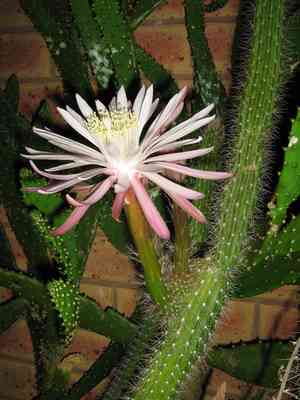
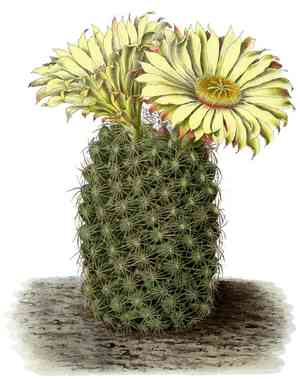
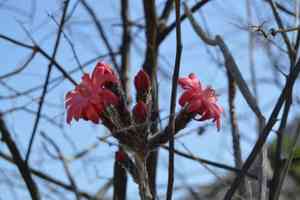
Quickly Identify Queen of the night (Peniocereus)
1
Look for thin, vine-like stems that can climb or sprawl along the ground, and are often hard to discern against the background vegetation. The nocturnal flowers are large, white, and fragrant, making them quite noticeable when in bloom.
Scientific Classification of Queen of the night (Peniocereus)
Phylum
Tracheophyta
Class
Magnoliopsida
Order
Caryophyllales
Family
Cactaceae
Genus
Peniocereus
Planting and Growing of Queen of the night (Peniocereus)
Care Difficulty
Hard
Watering Schedule
Every day
Sunlight Requirements
Full sun
Sunshine Duration
6-10 hours
Ideal Temperature
65-75℉
Soil Type
Potting Mix, Peat Mix
Soil pH
6.5-7.5
Fertilizer Type
Balanced
Pruning Season
Spring, Summer
Pruning Area
Leaves, Branches
Pruning Frequency
2 times a year
Repotting Season
Spring
Pot Type
Plastic, Ceramic
 How to Water Queen of the night (Peniocereus)?
Peniocereus needs minimal water, mirroring its desert habitat. Watering should be light, around 50ml each time. Ensure the soil is dry before rewatering, and aim to mimic natural rainfall conditions.
What are the symptoms of an underwatered Queen of the night (Peniocereus)?
›
What should I do if my Queen of the night (Peniocereus) is not getting enough water?
›
What are the symptoms of an overwatered Queen of the night (Peniocereus)?
›
How to save an overwatered Queen of the night (Peniocereus)?
›
 What Are the Sunlight Requirements for Queen of the night (Peniocereus)?
For optimal growth, Peniocereus prefers full to partial sun, receiving 6-8 hours daily. This exposure stimulates blooming and maintains the plant's health, mimicking its native environmental conditions.
What are the ideal light conditions for Peniocereus?
›
How can I ensure my Peniocereus receives optimal light?
›
What benefits do optimal light conditions offer my Peniocereus?
›
 What Is the Ideal Temperature Range for Queen of the night (Peniocereus)?
Peniocereus thrives best in temperatures ranging from 65°F to 75°F. This range mimics the natural desert environment where it originates, allowing the plant to efficiently carry out metabolic processes and maintain optimal growth. Maintaining this temperature range will ensure that the plant remains healthy, vibrant, and free from temperature-related stress.
 What Soil is Best for Queen of the night (Peniocereus)?
Peniocereus thrives in well-drained soil, as it prevents waterlogging, which can lead to root rot. Ensuring proper drainage allows the plant to access necessary nutrients while avoiding excessive moisture that could harm its roots. While Peniocereus is drought-tolerant, it benefits from a soil enriched with organic matter. This provides essential nutrients, promoting healthy growth and resilience against pests and diseases. Maintaining low salinity in the soil is crucial for Peniocereus, as high salt concentrations can damage plant tissues. Ensuring low salinity supports optimal plant health and vitality.
 How to Fertilize Queen of the night (Peniocereus)?
Peniocereus requires very minimal amounts of fertilizer due to its natural tendency to thrive in nutrient-poor desert environments. When fertilizing, use a balanced, water-soluble cactus fertilizer diluted to half strength, about 5-10 ml per liter of water.
 How to Prune Queen of the night (Peniocereus)?
Inspect the plant carefully to identify any stems that are dead, diseased, or excessively elongated. These are the ones that can be removed to encourage more robust growth. Ensure your pruning shears or scissors are clean and sharp to make clean cuts without crushing the stems. This helps prevent bacterial infections and diseases. Carefully make cuts at a slight angle close to the node where the stem meets the main body of the cactus. This promotes faster healing and minimizes the risk of disease entering the plant. After pruning, allow Peniocereus to heal and recover by placing it in a warm, dry location without too much direct sunlight. Avoid watering for a few days to prevent fungal infections.
 How to Propagate Queen of the night (Peniocereus) plant?
1
Always start with a healthy, disease-free mother plant to take cuttings or seeds. This increases the success rate of propagation by ensuring robust growth from the onset.
2
For cuttings, make a clean cut and let the cut surface dry for a few days before planting. For seeds, ensure they are fresh, and soak them in water overnight to initiate germination.
3
Plant seeds or cuttings in a well-draining soil mix. Water sparingly to keep the soil moist but not waterlogged, promoting healthier initial growth.
 How to Repot Queen of the night (Peniocereus) plant?
1
Repotting Peniocereus is necessary when you notice roots coming out of the drainage holes or when the plant looks visibly cramped in its pot. Ideally, choose a time when the plant is at rest, usually after the flowering period in spring or early summer, ensuring it's not actively growing.
2
For Peniocereus, a shallow, wide pot is ideal. Succulents and cacti like this benefit from room to spread their roots, but not too much depth, which can lead to water retention and root rot. Pots with ample drainage holes are a must to prevent any stagnation of water.
3
Opt for a specialized cactus mix that provides excellent drainage. A well-draining soil prevents water retention which is crucial for Peniocereus, as they are susceptible to root rot. Look for a mix with sand or perlite, enhancing airflow around the roots.
Toxicity
Ingestion
WARNING
The judgment on toxicity and danger is for reference only. We DO NOT GUARANTEE any accuracy of such judgment. Therefore, you SHALL NOT rely on such judgment. It is IMPORTANT TO SEEK PROFESSIONAL ADVICE in advance when necessary.
Learn More About Queen of the night (Peniocereus) Diseases
Anthracnose
Bacterial Leaf Spot
Bacterial Soft Rot
Chemical Injury
Crown Gall
Cyst Nematode
Damping-off
Drought Stress
Fusarium Wilt
Gray Mold
Leaf Spot
Mosaic
Nutrient Deficiency
Nutrient Toxicity
Powdery Mildew
Root Rot
Root-knot Nematode
Rusts
Sooty Mold
Spider Mites
Temperature Stress
Thrips Damage
White Mold

