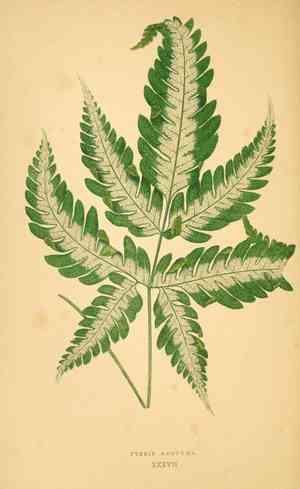
California cliffbrake (Pellaea mucronata)
Also known as: Bird's-foot fern
**Cheilanthes lanosa**, also known as the hairy lip fern, is well-suited to life on cliffs and rocky terrains. This fern, with its succulent-like leaves, is not only an attractive option for native rock gardens but also serves as a host for the moth species **Pseudobryomima fallax**.
In This Article
Attributes of California cliffbrake
Lifespan
Perennial
Plant Type
Herb
Plant Height
15 cm to 30 cm
Spread
30 cm to 38 cm
Leaf Color
Green
Flower Size
N/A
Flower Color
N/A
Images of California cliffbrake
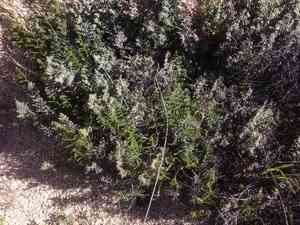
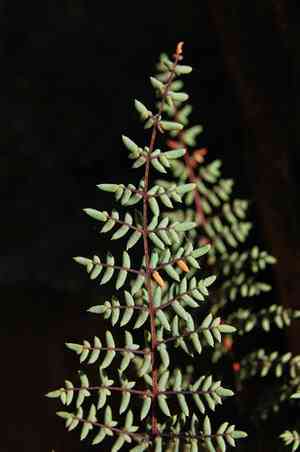
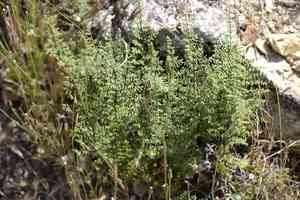
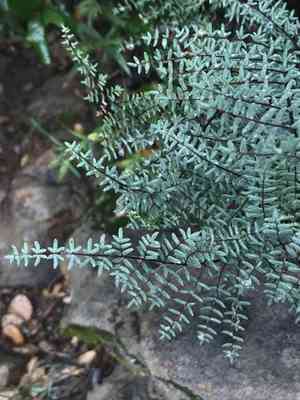
Quickly Identify California cliffbrake
1
Identify Pellaea mucronata by its small, leathery fronds that are divided into narrow segments. The stems and leaf margins often have a darker coloration, and the leaves are typically matte and not shiny.
Scientific Classification of California cliffbrake
Phylum
Vascular plants
Class
Ferns
Order
Polypodiales
Family
Brake
Genus
Cliffbrakes
Species
California cliffbrake
Planting and Growing of California cliffbrake
Care Difficulty
Easy
Watering Schedule
Every 3 days
Sunlight Requirements
Partial sun
Sunshine Duration
4-8 hours
Ideal Temperature
60-75℉
Soil Type
Potting Mix, Peat Mix
Soil pH
6.5-7.5
Fertilizer Type
Balanced
Pruning Season
Spring, Summer
Pruning Area
Branches, Leaves
Pruning Frequency
2 times a year
Repotting Season
Spring
Pot Type
Ceramic, Plastic
 How to Water California cliffbrake?
Watering Pellaea mucronata requires care; each session should provide around 200 milliliters. The soil should be evenly moist but not waterlogged. Wait until the top inch of the soil is dry before the next watering. Ensure the water reaches the roots but avoid pooling on the surface.
What are the symptoms of an underwatered California cliffbrake?
›
What should I do if my California cliffbrake is not getting enough water?
›
What are the symptoms of an overwatered California cliffbrake?
›
How to save an overwatered California cliffbrake?
›
 What Are the Sunlight Requirements for California cliffbrake?
Pellaea mucronata benefits most from partial sun exposure, ideally between 2-6 hours of light daily. This balance supports healthy frond development, sustaining its attractive, lush appearance.
More About Sunlight Requirements Techniques→
What is the best lighting location?
›
Why partial sun is necessary?
›
Methods to achieve the ideal light conditions?
›
 What Is the Ideal Temperature Range for California cliffbrake?
Pellaea mucronata thrives best in a temperature range of 60-75°F. Maintaining this range ensures optimal growth and health, helping preserve the plant's vibrant foliage. Conditions close to this ideal range support photosynthesis and metabolic activities in the plant.
 What Soil is Best for California cliffbrake?
Pellaea mucronata thrives in well-drained soil which prevents waterlogging, ensuring the roots receive adequate oxygen. This condition helps avoid root rot and supports robust plant health. A soil with moderate fertility is ideal for Pellaea mucronata. It provides essential nutrients without encouraging leggy growth, maintaining a compact, healthy appearance. The plant benefits from airy soil texture, facilitating root expansion and nutrient absorption. This characteristic is critical for vigorous growth and resilience.
 How to Fertilize California cliffbrake?
For Pellaea mucronata, it's essential to apply fertilizer sparingly as over-fertilization can harm this plant. When using liquid fertilizer, opt for a balanced 10-10-10 formula diluted to half-strength to avoid nutrient burn.
 How to Prune California cliffbrake?
Inspect the plant for any fronds that look brown or damaged. These should be your primary targets during pruning to help divert energy to healthier parts. Make precise cuts just above a node using clean garden scissors. This method encourages new, healthy growth and maintains the plant’s natural shape. When pruning, aim to maintain the natural curvature and spread of the fronds. Avoid flattening or creating unnatural forms, which can impede growth.
More About Pruning Techniques→
 How to Propagate California cliffbrake plant?
1
Begin by sowing seeds in propagation trays filled with a mix of peat and sand. Lightly cover the seeds with the medium and water gently to keep them moist. Ensure the trays receive indirect sunlight for optimal germination.
2
To propagate by division, carefully remove the plant from its pot, handling it gently to avoid damage. Separate the root clumps with your hands or a sterile tool, making sure each section has a portion of the root system and several healthy fronds.
3
After propagation, water the plant segments adequately but avoid overwatering. Place them in a location with indirect sunlight and monitor for any signs of stress, such as wilting or discoloration.
 How to Repot California cliffbrake plant?
1
Repot Pellaea mucronata when you notice roots peeking out of the drainage holes or the soil dries out too quickly after watering. These signs, along with a decline in plant health or growth, indicate it's time for a new pot. Repotting during spring or summer, when the plant is in active growth, ensures it will recover more swiftly.
2
Select a pot that's only slightly larger than the current one — about 1-2 inches bigger in diameter. The new pot should have good drainage to avoid waterlogging. A pot that's too large can retain too much moisture, leading to root rot, whereas an appropriate size will encourage optimal growth.
3
Opt for a well-draining sandy loam to replicate the plant's natural rocky habitats. This soil type prevents water from pooling around the roots, reducing the risk of rot. Well-aerated soil is crucial in providing adequate oxygen, allowing roots to expand healthily.



