
Bridges' cliffbrake (Pellaea bridgesii)
Also known as: Cliff Brake, Coffee Fern
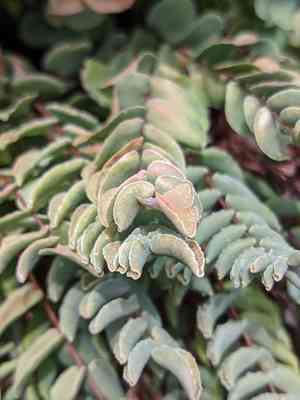
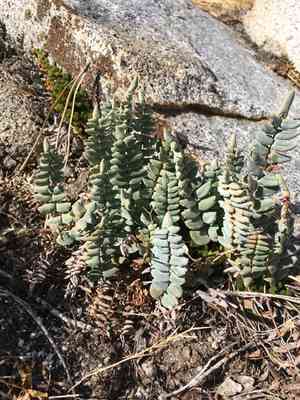
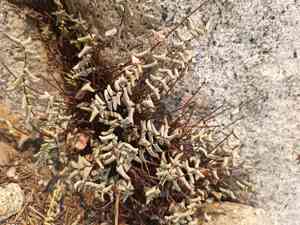
Bridges' cliffbrake, scientifically known as Pellaea bridgesii, is a hardy fern characterized by its slender, arching fronds and compact form. It flourishes in rocky terrains and nestled crevices, where it benefits from a mix of moisture and shade. Its striking blue-green foliage stands out against its dark stems, adding a unique touch to its natural woodland habitats.
In This Article
Attributes of Bridges' cliffbrake
Lifespan
Perennial
Plant Type
Fern
Plant Height
10-30 cm
Spread
15-40 cm
Leaf Color
Light green to blue-green
Flower Size
N/A (ferns do not have flowers)
Flower Color
N/A (ferns do not have flowers)
Images of Bridges' cliffbrake
Quickly Identify Bridges' cliffbrake
1
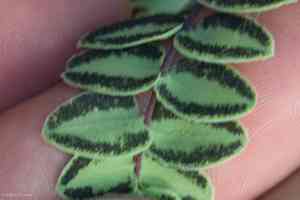
The plant can be identified by its wiry stems, small round to oblong pinnae, and smooth, leathery texture. The fronds are typically light green to blue-green and form a distinctive shape that can help in its identification.
Scientific Classification of Bridges' cliffbrake
Phylum
Vascular plants
Class
Ferns
Order
Polypodiales
Family
Brake
Genus
Cliffbrakes
Species
Bridges' cliffbrake
Planting and Growing of Bridges' cliffbrake
Care Difficulty
Moderate
Watering Schedule
Every 2 days
Sunlight Requirements
Partial sun
Sunshine Duration
4-6 hours
Ideal Temperature
60-75℉
Soil Type
Potting Mix, Peat Mix
Soil pH
6.5-7.5
Fertilizer Type
Balanced
Pruning Season
Spring, Summer
Pruning Area
Branches, Leaves
Pruning Frequency
2 times a year
Repotting Season
Spring
Pot Type
Plastic, Ceramic
 How to Water Bridges' cliffbrake?
Pellaea bridgesii appreciates a moderate watering regime. Ensure that the top 2 to 3 inches of soil dry out between waterings. This helps to prevent root rot and allows the plant to thrive by mimicking its natural conditions.
What are the symptoms of an underwatered Bridges' cliffbrake?
›
What should I do if my Bridges' cliffbrake is not getting enough water?
›
What are the symptoms of an overwatered Bridges' cliffbrake?
›
How to save an overwatered Bridges' cliffbrake?
›
 What Are the Sunlight Requirements for Bridges' cliffbrake?
Partial sun to full shade is optimal for Pellaea bridgesii, mimicking a woodland floor habitat. Ideal lighting promotes energetic growth, vibrant fronds, and resistance to environmental stressors.
How much light does Pellaea bridgesii need?
›
What are the best solutions to achieve ideal light for Pellaea bridgesii?
›
What are the benefits if Pellaea bridgesii receives ideal light?
›
 What Is the Ideal Temperature Range for Bridges' cliffbrake?
For optimal growth, Pellaea bridgesii thrives in a temperature range between 60°F and 75°F. These temperatures mimic its natural habitat, ensuring that the plant's physiological processes, such as photosynthesis and respiration, proceed efficiently. Maintaining consistent warmth helps the plant avoid stress, promoting lush growth and vibrant foliage.
 What Soil is Best for Bridges' cliffbrake?
Pellaea bridgesii thrives in well-drained soil that prevents waterlogging. This helps to avoid root rot and provides adequate oxygen to the root system, ensuring the plant's healthy growth and development. A nutrient-rich soil composition supports Pellaea bridgesii by supplying essential minerals and organic matter. This promotes vigorous growth and lush foliage, enhancing the plant's overall health. The plant prefers soil that retains moisture yet is not overly saturated. This balance aids in sustaining consistent hydration levels, crucial for photosynthesis and nutrient absorption.
 How to Fertilize Bridges' cliffbrake?
Pellaea bridgesii has modest nutrient requirements. It thrives on a balanced nitrogen-phosphorus-potassium (N-P-K) ratio of 10-10-10. For liquid fertilizer, dilute it to half strength to avoid over-fertilizing. Each application should ideally not exceed one tablespoon per gallon.
 How to Prune Bridges' cliffbrake?
First, identify any dead or damaged fronds by looking for browning or wilting sections. These fronds should be removed to redirect the plant's energy towards healthy growth. Use sharp, sterilized scissors to make clean cuts at the base of the unwanted fronds. Ensure that you're cutting at a slight angle to promote proper healing and reduce water retention, which can cause rot.
More About Pruning Techniques→
 How to Propagate Bridges' cliffbrake plant?
1
Begin by carefully removing the Pellaea bridgesii from its current pot. Gently shake off excess soil from the roots to expose the root mass for division. Inspect the roots for health, trimming any damaged or rotten sections.
2
Use a sharp knife or spade to divide the root mass into two or more sections. Each section should have a healthy amount of roots and shoots to thrive independently. Be cautious with cuts to minimize stress on the plant.
3
Replant each division into a pot filled with fresh potting soil. Ensure the crown of each section sits just at the surface of the soil. Water thoroughly to settle the soil around the roots and reduce transplant shock.
 How to Repot Bridges' cliffbrake plant?
1
Pellaea bridgesii signals repotting time when its roots start to protrude through the drainage holes or the plant becomes top-heavy and unstable. Spring is the perfect season due to the intensified growth cycle, allowing the plant to recover quickly from transplantation stress.
2
Choose a slightly larger pot than the current one, ensuring it has good drainage holes. A pot that's too large retains excess moisture, leading to root rot, while adequate drainage ensures healthy root development and prevents overwatering problems.
3
Use a well-draining soil mix, preferably with components like peat, perlite, and sand. This mix prevents compaction and retains sufficient moisture while ensuring aeration. Such a blend supports healthy root growth and reduces the risk of waterlogged roots.



