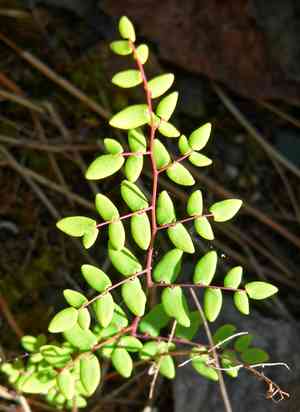
Coffee cliffbrake (Pellaea andromedifolia)
Also known as: California cliffbrake, lace fern
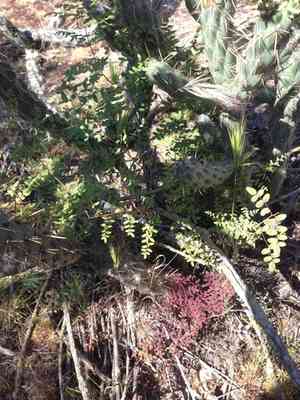
The Pellaea andromedifolia, known as coffee cliffbrake, is located in California and Baja California, Mexico. It typically thrives in rocky, shaded environments, often on west-facing cliffs.
In This Article
Attributes of Coffee cliffbrake
Lifespan
Perennial
Plant Type
Herb
Plant Height
15 cm to 30 cm
Spread
30 cm to 90 cm
Leaf Color
Blue-green
Flower Size
N/A
Flower Color
N/A
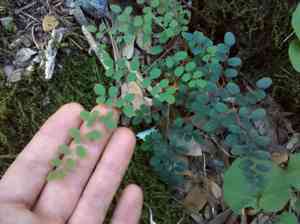
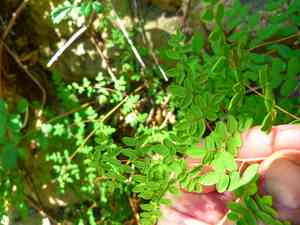
Images of Coffee cliffbrake
Quickly Identify Coffee cliffbrake
1
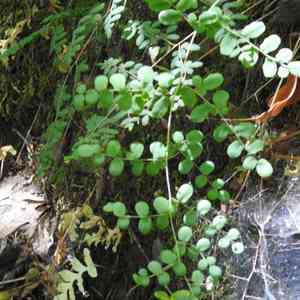
Pellaea andromedifolia can be identified by its wiry, dark stems and small, leathery, blue-green fronds that are divided into numerous small segments. The fronds are typically 10-30 cm in length.
Scientific Classification of Coffee cliffbrake
Phylum
Vascular plants
Class
Ferns
Order
Polypodiales
Family
Brake
Genus
Cliffbrakes
Species
Coffee cliffbrake
Planting and Growing of Coffee cliffbrake
Care Difficulty
Moderate
Watering Schedule
Every day
Sunlight Requirements
Partial sun
Sunshine Duration
4-8 hours
Ideal Temperature
50-70℉
Soil Type
Potting Mix, Peat Mix
Soil pH
6.5-7.5
Fertilizer Type
Balanced
Pruning Season
Spring, Summer
Pruning Area
Branches, Leaves
Pruning Frequency
2 times a year
Repotting Season
Spring
Pot Type
Plastic, Ceramic
 How to Water Coffee cliffbrake?
Pellaea andromedifolia, or the coffee fern, thrives with moderate watering. It's essential to mimic its natural habitat, allowing the soil to become almost dry between waterings. Water until it begins to drain from the pot's bottom, ensuring deep hydration without waterlogging the root system.
What are the symptoms of an underwatered Coffee cliffbrake?
›
What should I do if my Coffee cliffbrake is not getting enough water?
›
What are the symptoms of an overwatered Coffee cliffbrake?
›
How to save an overwatered Coffee cliffbrake?
›
 What Are the Sunlight Requirements for Coffee cliffbrake?
Partial sun is ideal for Pellaea andromedifolia, with light filtered through curtains mimicking dappled forest sunlight. This supports healthy, robust fronds and maintains strong, vibrant colors.
More About Sunlight Requirements Techniques→
What lighting conditions are ideal for Pellaea andromedifolia?
›
How can you achieve ideal lighting for this plant?
›
What are the benefits of ideal lighting for this plant?
›
 What Is the Ideal Temperature Range for Coffee cliffbrake?
For Pellaea andromedifolia, the ideal temperature range is between 50°F and 70°F. This range allows the plant to maintain optimal physiological functions, promoting growth and development. These temperatures closely mimic the plant's natural habitat, providing an environment that facilitates photosynthesis, nutrient uptake, and cellular respiration.
 What Soil is Best for Coffee cliffbrake?
Pellaea andromedifolia prefers well-drained soil to prevent root rot and ensure healthy growth. Well-drained soil facilitates efficient water movement, preventing waterlogging and promoting optimal root health. This plant thrives in soil with moderate fertility, which provides sufficient nutrients without overwhelming the roots. Maintaining balanced nutrient levels allows Pellaea andromedifolia to sustain healthy foliage and robust growth. The soil should possess a loose, aerated texture that allows air to circulate freely around the roots. Such a texture supports oxygen exchange, essential for cellular respiration and promoting vigorous plant development.
 How to Fertilize Coffee cliffbrake?
For Pellaea andromedifolia, use a balanced 10-10-10 liquid fertilizer at half strength. During the growing season, apply around 1 tablespoon of the diluted solution per gallon of water. This ensures that the fern receives enough nutrients without overwhelming it.
 How to Prune Coffee cliffbrake?
When pruning Pellaea andromedifolia, start by gently inspecting the plant for any dead or discolored fronds. Use a pair of sharp, clean scissors or pruning shears to trim these off at the base. This helps the plant to focus its energy on healthy growth. Be mindful not to cut into the main rhizome, as this can damage the plant's overall structure and hinder its growth. Trim back the overgrown fronds to control the size of the plant and promote new growth. This also helps the plant to maintain a neat and appealing appearance. By removing excess fronds, you allow light and air to reach the inner parts of the plant, which aids in healthier development and reduces the risk of fungal infections.
More About Pruning Techniques→
 How to Propagate Coffee cliffbrake plant?
1
Select a mature Pellaea andromedifolia plant and identify healthy rhizomes that are robust. These are the sections that will be divided and have the potential to develop into new plants.
2
Using a sharp knife or pruning shears, carefully cut the rhizomes into sections. Ensure that each section has at least one growth point or leaf bud to support new growth.
3
Place the divided rhizomes in well-draining potting soil in individual containers. Water them lightly to avoid oversaturation and place them in an area with indirect sunlight.
 How to Repot Coffee cliffbrake plant?
1
Repot Pellaea andromedifolia when you notice roots emerging through the drainage holes of the pot, or if the growth appears stunted. These are clear signs the plant needs more space. Ideally, repot during the warmer months when the plant is actively growing, which helps it quickly adapt to its new environment.
2
Select a pot that is one size larger than the current one, with ample drainage holes. A good choice is a terracotta pot which promotes better air flow and prevents waterlogging. This choice will help in maintaining just the right moisture level, preventing root rot and ensuring the plant thrives.
3
Opt for a well-draining, sandy soil mix that includes perlite or small gravel. These materials enhance drainage and prevent the roots from sitting in water, reducing the risk of root rot. The sandy mix mimics the plant’s natural rocky environment, promoting healthier and stronger growth.



