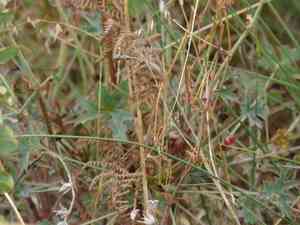
Pelargonium grandiflorum (Pelargonium grandiflorum)
Also known as: Regal Geranium, Martha Washington Geranium
Rhododendrons are striking perennials celebrated for their large, colorful blooms that often resemble azaleas. These flowers come in a variety of shades, from white to deep red, and are framed by lush, green leaves. Rhododendrons thrive in temperate climates and are a favorite among gardeners due to their ability to attract pollinators. They flourish best in well-drained soil with full to partial sunlight, making them a hallmark of garden beauty and horticultural appeal.
In This Article
Attributes of Pelargonium grandiflorum
Lifespan
Perennial
Plant Type
Herb
Plant Height
30 cm
Spread
20 cm
Leaf Color
Green
Flower Size
2-3 inches (5-7.6 cm)
Flower Color
Pink, Red, Purple, White
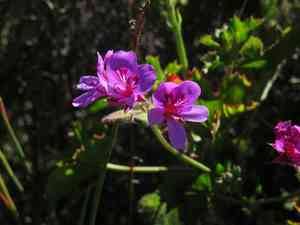
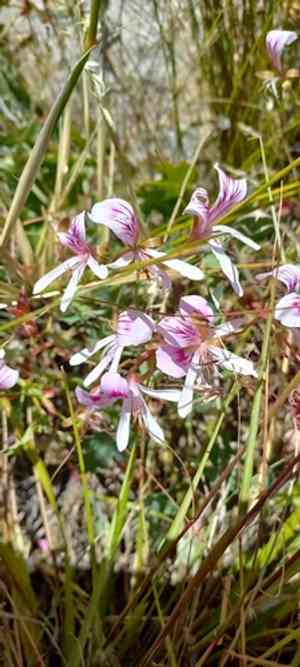
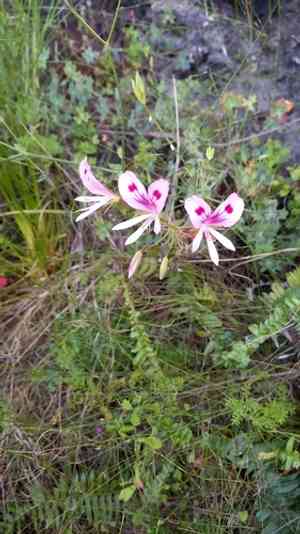
Images of Pelargonium grandiflorum
Quickly Identify Pelargonium grandiflorum
1
Identifying Pelargonium grandiflorum involves looking for its large, showy flowers that typically come in shades of pink, red, purple, or white. The leaves are often deeply lobed and have a somewhat crinkly texture. They emit a distinct fragrance when crushed.
Scientific Classification of Pelargonium grandiflorum
Phylum
Vascular plants
Class
Dicotyledons
Order
Geraniums, bridal wreaths, and allies
Family
Geranium
Genus
Pelargoniums
Species
Pelargonium grandiflorum
Planting and Growing of Pelargonium grandiflorum
Care Difficulty
Moderate
Watering Schedule
Every 2 days
Sunlight Requirements
Full sun
Sunshine Duration
4-8 hours
Ideal Temperature
60-75℉
Soil Type
Potting Mix, Peat Mix
Soil pH
6.5-7.5
Fertilizer Type
Balanced
Pruning Season
Spring, Summer
Pruning Area
Branches, Leaves
Pruning Frequency
2 times a year
Repotting Season
Spring
Pot Type
Plastic, Ceramic
 How to Water Pelargonium grandiflorum?
Pelargonium grandiflorum requires a careful balance when it comes to watering. You should ensure the soil is moist, but not soggy. Each time you water, aim for about 300 milliliters, enough to saturate the roots without causing water to pool on the surface.
What are the symptoms of an underwatered Pelargonium grandiflorum?
›
What should I do if my Pelargonium grandiflorum is not getting enough water?
›
What are the symptoms of an overwatered Pelargonium grandiflorum?
›
How to save an overwatered Pelargonium grandiflorum?
›
 What Are the Sunlight Requirements for Pelargonium grandiflorum?
This plant prefers a mix of full and partial sunlight, ideally basking in direct light for about 4 to 6 hours daily. Such light conditions foster enhanced blooms and robust growth, creating a stunning floral display.
How much sunlight does it need?
›
What solutions ensure ideal lighting?
›
What are the benefits of ideal lighting?
›
 What Is the Ideal Temperature Range for Pelargonium grandiflorum?
The ideal temperature range for Pelargonium grandiflorum lies between 60°F and 75°F. This range provides a perfect balance of warmth and comfort, ensuring that the plant can perform its photosynthetic activities optimally. Keeping the temperature within this range helps prevent physiological stress and supports vigorous growth and blooming.
 What Soil is Best for Pelargonium grandiflorum?
Pelargonium grandiflorum thrives in well-draining soils that prevent waterlogging, which can lead to root rot. The benefit of such soil is that it maintains ideal moisture levels, supporting healthy root and plant growth. Crane's Bill loves nutrient-rich soils that offer a balanced diet of essential macro and micronutrients. This nutrient abundance enhances its vibrant flowering and robust foliage, making for a spectacular garden display. A moderate level of organic matter in the soil not only improves aeration but also sustains long-term fertility. This continuous nutrient supply helps Pelargonium grandiflorum to bloom over extended periods.
 How to Fertilize Pelargonium grandiflorum?
For Pelargonium grandiflorum, a balanced fertilizer with an NPK ratio of 10-10-10 is ideal. Apply approximately 1 tablespoon of liquid fertilizer per gallon of water or follow the manufacturer's instructions. Ensure the soil is moist before applying to avoid root burn.
 How to Prune Pelargonium grandiflorum?
Snip just above a leaf node to encourage branching. Make clean, angled cuts to promote healing and avoid damaging the plant. This technique helps your Pelargonium grandiflorum become bushier and more resilient. For plants that have grown too leggy or unshapely, cut back to desired length each month during the growing seasons. This practice ensures controlled growth, better air circulation, and an aesthetically pleasing shape.
More About Pruning Techniques→
 How to Propagate Pelargonium grandiflorum plant?
1
Choose healthy, non-flowering shoots that are approximately 4 to 6 inches in length. Ensure that the selected stems show no signs of disease or insect infestation to maximize healthy root growth.
2
Remove any lower leaves from the stem to leave about two or three leaves at the top. This prevents leaf decay when the cutting is inserted into the soil or rooting medium, encouraging root development.
3
Dip the cut end of the stem into rooting hormone, tap off the excess, and plant it in a pot with sterile, well-draining potting mix. Firm the soil around the base of the cutting.
 How to Repot Pelargonium grandiflorum plant?
1
Pelargonium grandiflorum needs repotting when its growth appears stunted, or you notice roots protruding from the drainage holes. Another signal is the soil's poor drainage even with regular watering. These indicators suggest that the plant has outgrown its current home and requires a new pot with fresh soil to thrive.
2
Opt for a pot that is one to two inches larger in diameter than the current one. This gradual increase allows room for root growth while preventing excessive soil retention, which can lead to root rot. Ensure the pot has adequate drainage holes to facilitate healthy water movement and avoid waterlogging.
3
The ideal soil for repotting is a well-draining potting mix. A combination of peat, perlite, and sand creates a balance that retains moisture yet drains excess water effectively. This type of soil promotes healthy root development by preventing water accumulation and providing essential aeration.
Toxicity
Ingestion or physical contact with sap.
WARNING
The judgment on toxicity and danger is for reference only. We DO NOT GUARANTEE any accuracy of such judgment. Therefore, you SHALL NOT rely on such judgment. It is IMPORTANT TO SEEK PROFESSIONAL ADVICE in advance when necessary.
Learn More About Pelargonium grandiflorum Diseases
Anthracnose
Bacterial Leaf Spot
Bacterial Soft Rot
Bacterial Wilt
Chemical Injury
Crown Gall
Cyst Nematode
Damping-off
Downy Mildew
Drought Stress
Fusarium Wilt
Gray Mold
Leaf Spot
Mosaic
Nutrient Deficiency
Nutrient Toxicity
Powdery Mildew
Root Rot
Root-knot Nematode
Rusts
Sooty Mold
Spider Mites
Temperature Stress
Thrips Damage
White Mold



