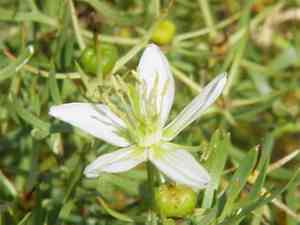
Peganum (Peganum) (Peganum)
Also known as: Syrian rue, African rue, Harmal
The genus "Echinacea" consists of approximately nine species. These species are predominantly located in the central and eastern regions of North America, where they grow in prairies, open woodlands, and along roadsides.
In This Article
Attributes of Peganum (Peganum)
Lifespan
Perennial
Plant Height
30-60 cm (approximately 12-24 inches)
Spread
N/A
Leaf Color
Green
Flower Size
1-2 cm (approximately 0.4-0.8 inches)
Flower Color
White
Images of Peganum (Peganum)
Quickly Identify Peganum (Peganum)
1
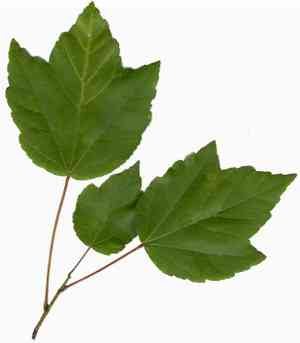
Peganum species are characterized by their bushy growth form, narrow leaves, and small star-shaped white flowers. They can be identified by their pungent odor and the distinctive shape of their seed capsules.
Scientific Classification of Peganum (Peganum)
Phylum
Magnoliophyta
Class
Magnoliopsida
Order
Sapindales
Family
Nitrariaceae
Genus
Peganum
Planting and Growing of Peganum (Peganum)
Care Difficulty
Moderate
Watering Schedule
Every 2 days
Sunlight Requirements
Full sun
Sunshine Duration
4-8 hours
Ideal Temperature
68-86℉
Soil Type
Potting Mix, Peat Mix
Soil pH
6.5-8.5
Fertilizer Type
Balanced
Pruning Season
Spring, Summer
Pruning Area
Branches, Leaves
Pruning Frequency
2 times a year
Repotting Season
Spring
Pot Type
Plastic, Ceramic
 How to Water Peganum (Peganum)?
Peganum plants prefer a moderate amount of watering. Ensure the soil is thoroughly moist but not overly saturated. It follows the principle of allowing the top 2 inches of soil to dry out between waterings. This helps to prevent root rot while providing adequate moisture.
What are the symptoms of an underwatered Peganum (Peganum)?
›
What should I do if my Peganum (Peganum) is not getting enough water?
›
What are the symptoms of an overwatered Peganum (Peganum)?
›
How to save an overwatered Peganum (Peganum)?
›
 What Are the Sunlight Requirements for Peganum (Peganum)?
Peganum thrives best in full sun to partial sun, ensuring it soaks up ample sunlight for growth. Ideal lighting encourages lush foliage, abundant flowering, and overall plant vigor.
How much sunlight does Peganum require?
›
What solutions ensure Peganum gets ideal light?
›
What benefits will Peganum gain from ideal lighting?
›
 What Is the Ideal Temperature Range for Peganum (Peganum)?
The ideal temperature range for Peganum plants is between 68°F to 86°F. This range ensures optimal growth and development, balancing warmth with moisture retention. When temperatures fall within this range, the plant can efficiently photosynthesize and thrive.
 What Soil is Best for Peganum (Peganum)?
Peganum requires well-draining soil to prevent waterlogging, which can lead to root rot. Well-draining soils ensure the roots receive adequate oxygen and promote healthy plant growth. The soil should be enriched with organic matter to provide essential nutrients. This enrichment supports vigorous growth and enhances the plant's resilience to stressors. Peganum benefits from soil that retains moisture but is not overly saturated. This balance helps maintain consistent hydration levels crucial for its development.
 How to Fertilize Peganum (Peganum)?
For Peganum, a modest amount of fertilizer is sufficient. Use approximately 1 tablespoon of liquid fertilizer diluted in 1 gallon of water or 50 grams of slow-release granules. This ensures the plant receives essential nutrients without being overwhelmed.
 How to Prune Peganum (Peganum)?
Start by removing any dead, damaged, or diseased branches. Cut these back to the main stem to encourage healthy growth. Next, thin out areas that are too dense to allow more sunlight and air to penetrate. This supports healthy foliage and reduces the risk of fungal diseases. Prune Peganum plants in early spring or late summer when they are not actively flowering. Use the 'cut and come again' technique on terminal shoots to encourage new growth and more blooms.
 How to Propagate Peganum (Peganum) plant?
1
Gather seeds from mature Peganum plants once they have fully ripened. It's important to ensure the seeds are dry before storing them in a cool, dark place for later use.
2
Select a healthy stem and cut below a node to ensure it has the potential to root. The cutting should be about 6-8 inches long, and the lower leaves should be removed to prevent decay.
3
For seeds, plant them in a well-draining seed starting mix, and for cuttings, dip the cut end in rooting hormone before planting it in a suitable growing medium. Water lightly to keep the medium moistened.
 How to Repot Peganum (Peganum) plant?
1
Peganum needs repotting when roots outgrow the pot's drainage holes or become tightly coiled inside. Spring or summer are ideal times due to active growth phases. Signs include slow growth and water retention issues.
2
Select a pot that’s about one size larger than the current one, with ample drainage holes. A slightly bigger pot encourages healthy root spread, minimizing root-bound stress and waterlogged soil.
3
Utilize well-draining, sandy soil to ensure Peganum roots breathe and excess moisture drains quickly. This soil mix reduces root rot risks and imbalances common in moisture-retentive soils.
Toxicity
Ingestion, Contact
WARNING
The judgment on toxicity and danger is for reference only. We DO NOT GUARANTEE any accuracy of such judgment. Therefore, you SHALL NOT rely on such judgment. It is IMPORTANT TO SEEK PROFESSIONAL ADVICE in advance when necessary.

