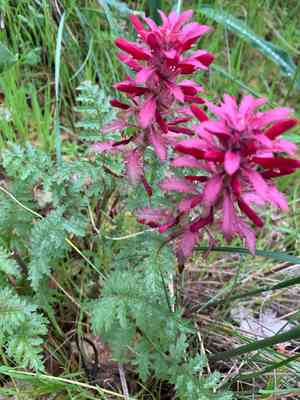
Indian warrior (Pedicularis densiflora)
Also known as: Indian Warrior, Warrior's Plume, Warrior's Feather
The plant you're referring to is the Indian Warrior (Pedicularis densiflora). This drought-tolerant perennial features vibrant scarlet flowers that resemble a headdress. It thrives near fir trees, often attaching itself parasitically to the roots of other plants.
In This Article
Attributes of Indian warrior
Lifespan
Perennial
Plant Type
Herb
Plant Height
15 cm to 61 cm
Spread
20 cm to 30 cm
Leaf Color
Gray Red Silver
Flower Size
5 cm to 30 cm
Flower Color
Red
Images of Indian warrior
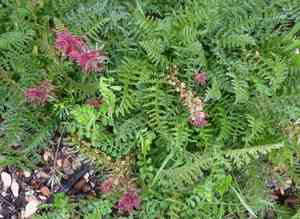
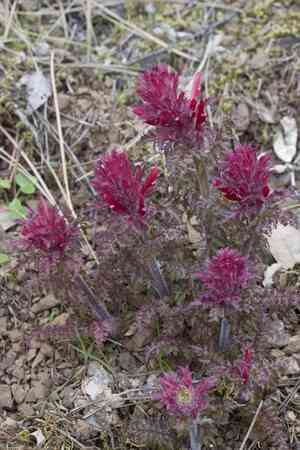
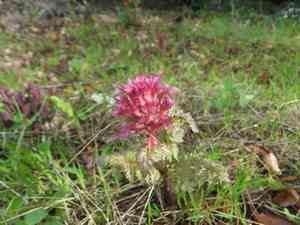
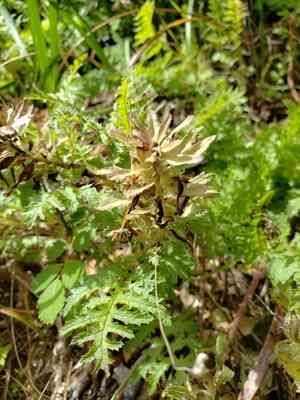
Quickly Identify Indian warrior
1
Indian Warrior can be identified by its dense clusters of red to purple, tubular-shaped flowers that form a spike. The leaves are deeply divided and often have a reddish hue. The plant typically grows in woodland and forest environments.
Scientific Classification of Indian warrior
Phylum
Vascular plants
Class
Dicotyledons
Order
Lamiales
Family
Broomrape
Genus
Pedicularis
Species
Indian warrior
Planting and Growing of Indian warrior
Care Difficulty
Hard
Watering Schedule
Every 3 days
Sunlight Requirements
Full sun
Sunshine Duration
4-6 hours
Ideal Temperature
60-75℉
Soil Type
Potting Mix, Peat Mix
Soil pH
6.5-7.5
Fertilizer Type
Balanced
Pruning Season
Spring, Summer
Pruning Area
Branches, Leaves
Pruning Frequency
2 times a year
Repotting Season
Spring
Pot Type
Plastic, Ceramic
 How to Water Indian warrior?
Pedicularis densiflora prefers a moderate amount of water. Watering should aim to keep the soil consistently moist, without letting it dry out completely or become waterlogged. Ensure the soil is moist to the touch, but avoid creating puddles around the plant.
What are the symptoms of an underwatered Indian warrior?
›
What should I do if my Indian warrior is not getting enough water?
›
What are the symptoms of an overwatered Indian warrior?
›
How to save an overwatered Indian warrior?
›
 What Are the Sunlight Requirements for Indian warrior?
Ideally, Pedicularis densiflora should receive full to partial sun, providing a balanced light environment that encourages strong growth, enhances leaf and flower development, and promotes overall plant vitality.
More About Sunlight Requirements Techniques→
How much direct sunlight is optimal?
›
Can the plant adapt to partial shade?
›
What are the benefits of ideal lighting?
›
 What Is the Ideal Temperature Range for Indian warrior?
The ideal temperature range for Pedicularis densiflora is between 60 and 75 degrees Fahrenheit. This range provides optimal conditions for growth and overall health, ensuring the plant can thrive. It is essential to maintain this temperature to avoid stress and promote vibrant foliage.
 What Soil is Best for Indian warrior?
Pedicularis densiflora flourishes in soil that is rich in organic content. This means incorporating plenty of compost to boost nutrient availability, which directly supports vibrant growth and robust health. This plant thrives in soil that offers excellent drainage capabilities, preventing waterlogging that can lead to root rot. Sandy loam provides the ideal balance of aeration and moisture retention required for healthy roots. Ensuring the soil remains consistently moist without becoming saturated is key. This facilitates nutrient absorption and supports the plant's metabolic processes, particularly important during its growing season.
 How to Fertilize Indian warrior?
For Pedicularis densiflora, you should apply about half the recommended dose indicated on the fertilizer package to avoid overwhelming the plant. This ensures a balance between growth and nutrient uptake without risking damage.
 How to Prune Indian warrior?
Begin by selecting any dead or damaged stems. These should be removed first to improve airflow and reduce the risk of disease. Cut these back to the base to encourage the plant to redirect its energy to healthier growth. Once problematic stems are removed, assess the plant's overall shape. Trim back any excessively long or misshapen branches to create a balanced silhouette, enhancing its appearance in the landscape. To promote a bushier habit, focus on trimming the tips of new growth. This encourages branching close to the plant's base, leading to a denser, more visually appealing plant structure.
More About Pruning Techniques→
 How to Propagate Indian warrior plant?
1
Harvest seeds from mature plants, ensuring they are ripe and free from disease. Store seeds in a cool, dry place until you are ready to plant.
2
Select healthy stems and cut them at a 45-degree angle. Remove the bottom leaves to reduce moisture loss and prevent rotting.
3
Place seeds or cuttings into prepared trays or pots with a suitable growing medium. Ensure they are placed at an appropriate depth to optimize soil contact.
 How to Repot Indian warrior plant?
1
Signs that Pedicularis densiflora needs repotting include visible roots outgrowing drainage holes and slowed growth rates. It's best to repot during the growing season, when the plant can quickly adapt to new conditions.
2
Select a pot that is 1-2 inches larger in diameter than the current one. Ensure it has adequate drainage holes to prevent waterlogging, which can lead to root rot and other growth issues, allowing the plant to thrive and expand comfortably.
3
A well-draining, loamy soil is ideal. This mix ensures that roots stay aerated and dry out properly between watering, reducing the risk of overwatering. A nutrient-rich environment supports robust root development and overall plant health.



