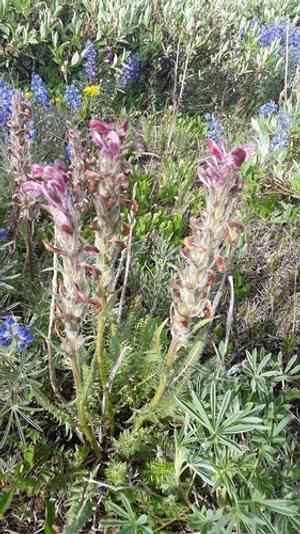
Fernleaved pedicularis (Pedicularis cystopteridifolia)
Also known as: None known
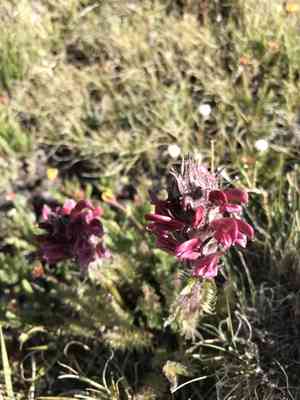
Fernleaved pedicularis, known for its delicate, fern-like leaves that resemble those of a maidenhair fern, is a perennial herb belonging to the figwort family. It flourishes in moist, alpine habitats, indicating its adaptability to cold and its affinity for high-altitude regions. The plant is notable for its unique, tubular flowers that range in color from yellow to purple, standing out above its finely divided, pinnate foliage. This striking combination makes it a visual standout in rocky, mountainous terrains.
In This Article
Attributes of Fernleaved pedicularis
Lifespan
Perennial
Plant Type
Herb
Plant Height
15-30 cm
Spread
n/a
Leaf Color
Green
Flower Size
1-2 cm
Flower Color
Pink or purple
Images of Fernleaved pedicularis
Quickly Identify Fernleaved pedicularis
1
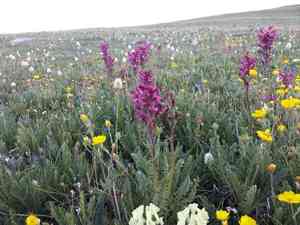
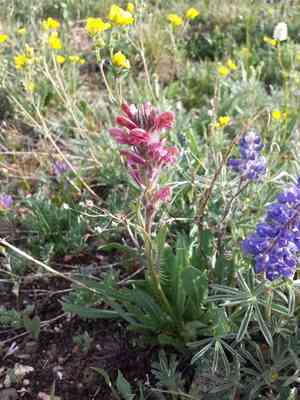
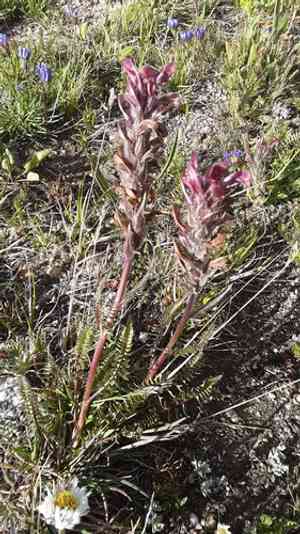
Look for the distinctive fern-like leaves and the vibrant, bilaterally symmetrical flowers, which are often pink or purple.
Scientific Classification of Fernleaved pedicularis
Phylum
Vascular plants
Class
Dicotyledons
Order
Lamiales
Family
Broomrape
Genus
Pedicularis
Species
Fernleaved pedicularis
Planting and Growing of Fernleaved pedicularis
Care Difficulty
Hard
Watering Schedule
Every 3 days
Sunlight Requirements
Full sun
Sunshine Duration
6-10 hours
Ideal Temperature
60-75℉
Soil Type
Potting Mix, Peat Mix
Soil pH
6.5-7.5
Fertilizer Type
Balanced
Pruning Season
Spring, Summer
Pruning Area
Branches, Leaves
Pruning Frequency
2 times a year
Repotting Season
Spring
Pot Type
Plastic, Ceramic
 How to Water Fernleaved pedicularis?
For Pedicularis cystopteridifolia, the watering amount should be enough to thoroughly moisten the soil but not so much that it causes waterlogged conditions. Aim to pour approximately 200 ml of water each time, ensuring that the topsoil is damp but excess water should drain out to prevent root rot.
What are the symptoms of an underwatered Fernleaved pedicularis?
›
What should I do if my Fernleaved pedicularis is not getting enough water?
›
What are the symptoms of an overwatered Fernleaved pedicularis?
›
How to save an overwatered Fernleaved pedicularis?
›
 What Are the Sunlight Requirements for Fernleaved pedicularis?
Pedicularis cystopteridifolia generally flourishes in conditions offering Full or Partial sun exposure. This balance supports robust growth, vibrant flowering, and overall plant health.
How much light does Pedicularis cystopteridifolia ideally need?
›
What measures can be taken to ensure ideal light conditions?
›
What benefits arise from providing the ideal light conditions?
›
 What Is the Ideal Temperature Range for Fernleaved pedicularis?
Pedicularis cystopteridifolia thrives best within a temperature range of 60°F to 75°F. This range provides a well-balanced environment that supports optimal growth and development of the plant, ensuring robust health and flowering productivity.
 What Soil is Best for Fernleaved pedicularis?
Pedicularis cystopteridifolia thrives in well-drained soil, which prevents waterlogging around the roots. Well-drained conditions ensure that the roots receive ample oxygen, promoting healthy growth and reducing risks of root rot. Soils rich in organic matter provide essential nutrients that boost the plant's growth. The added organic content enhances soil structure, retaining moisture while improving drainage—a balance crucial for this plant. This plant prefers moderate soil fertility. While rich in essential nutrients, overly fertile soil can lead to excessive foliage growth at the expense of flowering. A balanced nutrient profile supports steady, healthy development.
 How to Fertilize Fernleaved pedicularis?
For Pedicularis cystopteridifolia, using small, consistent amounts of fertilizer is crucial. A diluted solution of liquid fertilizer at half strength is sufficient. For solid fertilizers, use around 25 grams per application, ensuring it is evenly distributed across the soil surface.
 How to Prune Fernleaved pedicularis?
Look for leaves or stems that appear lifeless, are turning brown, or show signs of disease. Removing these parts helps improve the plant's overall health and prevents the spread of disease within your garden. When pruning, make clean cuts just above a node or leaf junction. This technique encourages new growth and maintains the plant’s shape and structure, promoting a healthier and more vibrant appearance. While it might be tempting to achieve a perfect symmetrical look, strive to maintain the plant's natural form. This approach allows Pedicularis cystopteridifolia to thrive in its natural landscape, providing aesthetic and ecological benefits.
More About Pruning Techniques→
 How to Propagate Fernleaved pedicularis plant?
1
Begin by collecting mature seeds from a healthy Pedicularis cystopteridifolia plant. Check the seeds for any signs of disease or damage and discard any affected seeds. This ensures that only healthy seeds are used for propagation, increasing the chances of successful germination.
2
Fill the seed trays with a fine potting mix, ensuring the soil is evenly moist. Sow the seeds thinly across the surface, lightly pressing them into the soil. Cover with a thin layer of the potting mix to secure them in place. Avoid covering too deeply as this can hinder germination.
3
Place the seed trays in a warm, sheltered location with indirect sunlight. Maintain a consistent temperature around 20°C (68°F) and ensure the soil remains moist but not waterlogged. This environment will encourage healthy seed germination and seedling growth.
 How to Repot Fernleaved pedicularis plant?
1
Pedicularis cystopteridifolia signals its need for repotting when growth becomes sluggish, or roots are protruding from the pot's drainage holes. These signs show the plant is pot-bound and needs more space. Spring and Autumn are ideal due to moderate temperatures that allow the plant to recover swiftly.
2
Choose a pot that is one size larger than the current one, with adequate drainage holes. This prevents waterlogging, reducing the risk of root rot. The pot material should retain some moisture while allowing air circulation, such as unglazed clay or composite materials.
3
For Pedicularis cystopteridifolia, a well-draining acidic soil mix enriched with organic matter works best. It provides necessary nutrients and accommodates the plant’s preference for a slightly acidic environment, ensuring healthy root development and growth.



