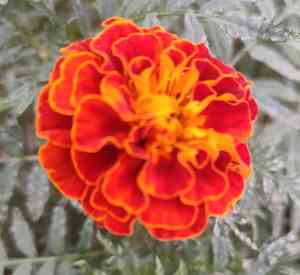
Lemonscent (Pectis angustifolia)
Also known as: Lemonweed, Limoncillo
Lemon Verbena (Aloysia citrodora) is distinguished by its lance-shaped, bright green leaves that release a strong lemon aroma when bruised. This plant thrives in sunny conditions and is well-suited for arid climates. It produces small, delicate white or lavender flowers. Its ability to adapt to dry, well-drained soils and withstand drought conditions makes it a hardy species in its native South American environment. Additionally, the plant's aromatic leaves help deter pests, contributing to its resilience.
In This Article
Attributes of Lemonscent
Lifespan
Annual
Plant Type
Herb
Plant Height
0 mm to 30 cm
Spread
Approximately 20 cm (8 inches)
Leaf Color
Green
Flower Size
Approximately 1 cm (0.4 inches)
Flower Color
Yellow
Images of Lemonscent
Quickly Identify Lemonscent
1
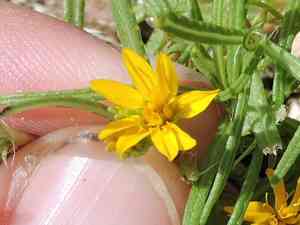
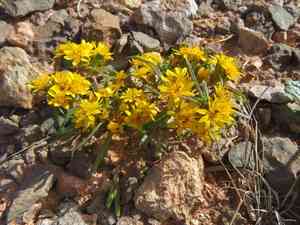
Recognizable by its narrow, linear leaves that release a lemony scent when crushed. The plant typically produces small, yellow, daisy-like flowers.
Scientific Classification of Lemonscent
Phylum
Vascular plants
Class
Dicotyledons
Order
Asterales
Family
Daisy
Genus
Pectis
Species
Lemonscent
Planting and Growing of Lemonscent
Care Difficulty
Easy
Watering Schedule
Every 3 days
Sunlight Requirements
Full sun
Sunshine Duration
4-8 hours
Ideal Temperature
65-75℉
Soil Type
Potting Mix, Peat Mix
Soil pH
6.5-7.5
Fertilizer Type
Balanced
Pruning Season
Spring, Summer
Pruning Area
Branches, Leaves
Pruning Frequency
2 times a year
Repotting Season
Spring
Pot Type
Plastic, Ceramic
 How to Water Lemonscent?
For Pectis angustifolia, the watering amount should be adequate but moderate, maintaining slightly moist soil. Aim for around 200 ml per session, ensuring not to drown the roots.
What are the symptoms of an underwatered Lemonscent?
›
What should I do if my Lemonscent is not getting enough water?
›
What are the symptoms of an overwatered Lemonscent?
›
How to save an overwatered Lemonscent?
›
 What Are the Sunlight Requirements for Lemonscent?
Pectis angustifolia's ideal light range includes full sun during the growing season. Adequate light supports vigorous leaf development and blooms, enhancing both its ornamental value and ecological role. Ensuring a balance of conditions aids in maintaining optimal plant health.
How much light does Pectis angustifolia need?
›
What should I do if I cannot provide full sun?
›
Why is achieving ideal lighting important?
›
 What Is the Ideal Temperature Range for Lemonscent?
For optimal growth, Pectis angustifolia thrives best within a temperature range of 65°F to 75°F. This range ensures adequate metabolic and physiological processes, allowing the plant to flourish without experiencing stress due to extreme temperatures.
 What Soil is Best for Lemonscent?
Pectis angustifolia thrives in well-drained soil, allowing water to flow easily without pooling. This reduces root rot risk and ensures roots get the necessary oxygen. While not overly demanding, Pectis angustifolia benefits from nutrient-rich soil that can support its growth. Organic matter can enhance soil fertility, promoting healthy plant development. Light textured soils like sandy loam favor root penetration and growth. This allows Pectis angustifolia to establish well and access water and nutrients efficiently.
 How to Fertilize Lemonscent?
Pectis angustifolia benefits from a balanced fertilizer approach. For liquid fertilizer, using a 20-20-20 NPK formula at a rate of half a teaspoon per gallon of water is effective. For slow-release fertilizers, applying a small handful, about a tablespoon, around the base of the plant can support its health throughout the growing season.
 How to Prune Lemonscent?
Ensure weather conditions are dry before pruning to reduce risks of disease entering through fresh cuts. Avoid pruning during rainfall, which increases the likelihood of infection. Understand the local climate needs of Pectis angustifolia. After pruning, apply a mild fertilizer to support new growth. Inspect the plant for pests, as cut surfaces can invite unwanted guests. Regularly monitor the plant's progress and make adjustments to care as necessary.
More About Pruning Techniques→
 How to Propagate Lemonscent plant?
1
Begin by sourcing healthy seeds of Pectis angustifolia. It's crucial to check that the seeds are not damaged or expired. Pre-soaking seeds in water for 24 hours can enhance germination rates by softening the seed coat.
2
Select healthy parent plants and use sharp pruners to take 4-6 inch cuttings. Ensure each cutting has at least two nodes, which will help in developing roots. Trim away leaves from the lower node.
3
Place the seeds or cuttings in a well-draining soil mix in seed trays or pots. Maintain consistent moisture without waterlogging, and ensure they receive indirect sunlight. Monitor for the first signs of germination or rooting.
 How to Repot Lemonscent plant?
1
Pectis angustifolia should be repotted when you observe roots growing out of the drainage holes or when growth has noticeably slowed. These are clear indicators that the plant needs more space to thrive. Ideally, repotting should be done when the plant is actively growing, which is typically in spring or summer, ensuring it has enough time to adjust before more dormant periods.
2
When choosing a pot for Pectis angustifolia, select one that is slightly larger than the current pot but not too spacious. The pot should have adequate drainage holes to prevent waterlogging, which is crucial in avoiding root rot. A well-chosen pot supports healthy root expansion and enhances growth by providing the plant with necessary stability and an optimized environment for nutrient absorption.
3
Opt for a well-draining cactus mix when repotting Pectis angustifolia. This type of soil prevents water retention, reduces the risk of root rot, and mimics the plant's natural habitat. Such a soil blend usually contains sand, perlite, and organic matter, which are vital in ensuring the balanced moisture and aeration that this plant species thrives on.



