
Spearleaf swampmallow (Pavonia hastata)
Also known as: Rock Rose Mallow, Speckled Pavonia
Spearleaf swampmallow (Hibiscus laevis), commonly found in both dry and damp woodlands, stands out due to its distinctive 10-lobed leaves, in contrast to the 5-lobed leaves of common hibiscus varieties. It is also popular for cultivation because it can be easily grown from seeds or cuttings.
In This Article
Attributes of Spearleaf swampmallow
Lifespan
Perennial
Plant Type
Shrub
Plant Height
1.5 m
Spread
1.2 m
Leaf Color
Green
Flower Size
5 cm
Flower Color
White Pink Red
Images of Spearleaf swampmallow


Quickly Identify Spearleaf swampmallow
1
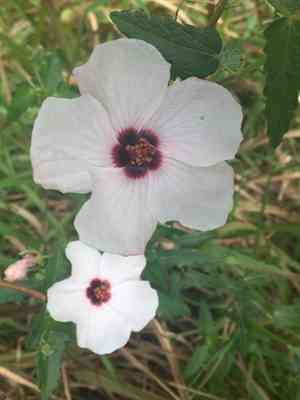
Identify Pavonia hastata by its distinctive pink and white flowers with a dark red center. The leaves are ovate to lanceolate with a toothed margin, and the plant bears a bushy growth habit.
Scientific Classification of Spearleaf swampmallow
Phylum
Vascular plants
Class
Dicotyledons
Order
Malvales
Family
Mallow
Genus
Swampmallows
Species
Spearleaf swampmallow
Planting and Growing of Spearleaf swampmallow
Care Difficulty
Easy
Watering Schedule
Every 3 days
Sunlight Requirements
Partial sun
Sunshine Duration
4-6 hours
Ideal Temperature
70-85℉
Soil Type
Potting Mix, Peat Mix
Soil pH
6.5-7.5
Fertilizer Type
Balanced
Pruning Season
Spring, Summer
Pruning Area
Branches, Leaves
Pruning Frequency
2 times a year
Repotting Season
Spring
Pot Type
Plastic, Ceramic
 How to Water Spearleaf swampmallow?
Pavonia hastata, known for its striking flowers, requires consistent yet moderate hydration. Watering should be thorough enough to moisten the entire root zone, approximately 250 ml per session, ensuring moisture reaches the deeper soil layers without creating standing water.
What are the symptoms of an underwatered Spearleaf swampmallow?
›
What should I do if my Spearleaf swampmallow is not getting enough water?
›
What are the symptoms of an overwatered Spearleaf swampmallow?
›
How to save an overwatered Spearleaf swampmallow?
›
 What Are the Sunlight Requirements for Spearleaf swampmallow?
Pavonia hastata thrives best in partial to full sun. This exposure ensures vibrant blooms and healthy foliage, supporting active growth cycles while preventing the risks of overexposure or insufficient light.
More About Sunlight Requirements Techniques→
What is the best spot for Pavonia hastata?
›
How to enhance lighting if natural sunlight is insufficient?
›
What are the benefits of ideal lighting conditions?
›
 What Is the Ideal Temperature Range for Spearleaf swampmallow?
The ideal temperature range for cultivating Pavonia hastata is between 70°F and 85°F. Within this range, the plant can photosynthesize effectively, maintaining robust growth and healthy foliage. This temperature supports the plant’s metabolic processes, facilitating nutrient uptake and growth.
 What Soil is Best for Spearleaf swampmallow?
Pavonia hastata thrives in well-drained soils as it prevents waterlogging that can lead to root rot. Ensuring good drainage supports healthy root development and promotes vigorous growth. This plant benefits from moderately fertile soil that provides essential nutrients for sustained growth. Amending the soil with organic matter can enhance nutrient availability, promoting lush foliage and vibrant flowers. Pavonia hastata grows best in soils with moderate moisture retention, which helps keep roots hydrated in dry spells without waterlogging them. This balance in moisture is key for maintaining a healthy plant.
 How to Fertilize Spearleaf swampmallow?
When fertilizing Pavonia hastata, use a balanced fertilizer such as 10-10-10 at a concentration of approximately 1 tablespoon per gallon of water for liquid types. For solid or slow-release fertilizers, approximately 1/4 cup per plant base is advisable. Always follow manufacturer's instructions to prevent over-fertilization.
 How to Prune Spearleaf swampmallow?
First, identify any dead, diseased, or overcrowded branches. Focus on cutting these back to improve air circulation and light penetration, ensuring healthier growth. When pruning, make sure to cut just above a node or outward-facing bud. This encourages new growth in the desired direction and prevents water from collecting on flat cuts. To prevent overcrowding in the center of the plant, thin out some of the inner branches. This method improves airflow and ensures sunlight reaches all parts of the plant evenly.
More About Pruning Techniques→
 How to Propagate Spearleaf swampmallow plant?
1
Collect the seeds from mature Pavonia hastata plants. Clean and dry them thoroughly to prevent mold growth. Sow the seeds in a sterile seed starting mix, lightly covering them with soil.
2
Select healthy, non-flowering stems for cuttings in the early spring. Cut a 4-6 inch section with a clean cut. Remove the lower leaves and dip the cut end in rooting hormone before planting it in a suitable medium.
3
Division involves separating a mature plant into smaller sections. Carefully dig out the plant in the early spring, ensuring you don’t damage the roots. Divide the root ball into sections and replant them in well-prepared soil.
 How to Repot Spearleaf swampmallow plant?
1
You should repot Pavonia hastata when roots start growing through the drainage holes, when water doesn't drain as easily, or when you notice the plant is not growing as vigorously as before. These indicators suggest that the plant might be outgrowing its current pot and in need of more space and fresh nutrients, which a new pot and soil can provide.
2
Select a pot that is one or two sizes larger than the current one to allow room for growth. Ensure the new pot has adequate drainage holes, which protect the roots from sitting in water and reduce the likelihood of root rot. A pot made of breathable material like terracotta can help maintain the right moisture balance.
3
Opt for a well-draining potting mix, which prevents water from pooling and roots from suffocating. A mix containing components like perlite, sand, and organic matter allows for airflow to the roots, encouraging a healthy growth environment and reducing the likelihood of fungal diseases.
Learn More About Spearleaf swampmallow Diseases
Anthracnose
Bacterial Leaf Spot
Bacterial Soft Rot
Bacterial Wilt
Black Spot
Chemical Injury
Crown Gall
Damping-off
Downy Mildew
Drought Stress
Fusarium Wilt
Gray Mold
Leaf Curl
Leaf Spot
Mosaic
Nutrient Deficiency
Nutrient Toxicity
Powdery Mildew
Root Rot
Root-knot Nematode
Rusts
Sooty Mold
Spider Mites
Temperature Stress
Thrips Damage
White Mold



