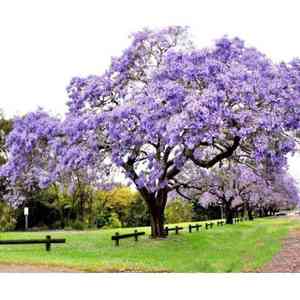
Empress tree (Paulownia tomentosa)
Also known as: Foxglove tree
The Empress tree (Paulownia tomentosa) is a deciduous tree native to East Asia, renowned for its rapid growth and adaptability. It is often cultivated for its ornamental appeal, featuring large clusters of striking lavender flowers. However, its vigorous growth and ability to adapt to a variety of environments have led to its classification as an invasive species in some countries.
In This Article
Attributes of Empress tree
Lifespan
Perennial
Plant Type
Tree
Plant Height
10 m to 25 m
Spread
9 m to 12 m
Leaf Color
Green
Flower Size
1.5 cm to 2 cm
Flower Color
Purple Pink Blue Violet White Lavender
Images of Empress tree
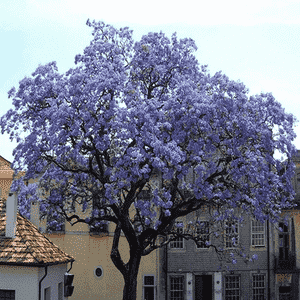

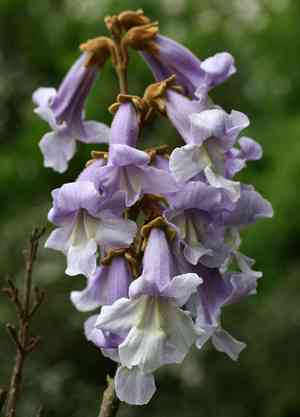
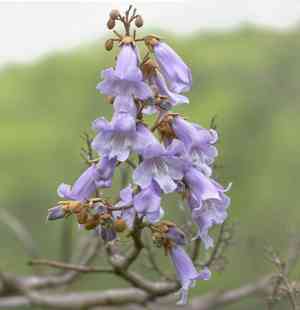
Quickly Identify Empress tree
1
Large, heart-shaped leaves with fuzzy texture; 8-12 inches (20-30 cm) long.
2
Trumpet-shaped lavender flowers in upright clusters; 10-12 inches (25-30 cm) long.
3
Oval-shaped fruit capsule; 1-2 inches (2.5-5 cm) long, containing tiny seeds.
4
Fragrant, edible funnel- or tube-like flowers; 1.5-2 inches (3.8-5 cm) long.
5
Thin, greyish-brown bark with shallow fissures and lenticels; up to 2 feet (60 cm) diameter.
Scientific Classification of Empress tree
Phylum
Vascular plants
Class
Dicotyledons
Order
Mints plantains olives and allies
Family
Foxglove tree
Genus
Paulownia
Species
Empress tree
Planting and Growing of Empress tree
Care Difficulty
Easy
Watering Schedule
Every 4 days
Sunlight Requirements
Full sun
Sunshine Duration
6-12 hours
Ideal Temperature
60-85℉
Soil Type
Potting Mix, Peat Mix
Soil pH
6.5-7.5
Fertilizer Type
Balanced
Pruning Season
Spring, Summer
Pruning Area
Branches, Leaves
Pruning Frequency
2 times a year
Repotting Season
Spring
Pot Type
Plastic, Ceramic
 How to Water Empress tree?
When it comes to watering Paulownia tomentosa, the principle is to ensure the soil is moist but not waterlogged. During each session, approximately 1000 ml is suitable to wet the soil adequately, allowing the water to penetrate deeply without leaving puddles on the surface.
More About Watering Techniques→
What are the symptoms of an underwatered Empress tree?
›
What should I do if my Empress tree is not getting enough water?
›
What are the symptoms of an overwatered Empress tree?
›
How to save an overwatered Empress tree?
›
 What Are the Sunlight Requirements for Empress tree?
Ideal light range for Paulownia tomentosa includes full sun to partial sun, enhancing growth rate and robustness. This lighting promotes dense foliage, supports efficient photosynthesis, and encourages optimal flowering stages, contributing to overall plant vitality.
More About Sunlight Requirements Techniques→
What is the best lighting condition for Paulownia tomentosa?
›
How can I achieve the ideal lighting for Paulownia tomentosa?
›
What benefits does ideal lighting provide?
›
 What Is the Ideal Temperature Range for Empress tree?
Paulownia tomentosa, commonly known as the Empress Tree, thrives best within a temperature range of 60 to 85 degrees Fahrenheit. These temperatures mimic the tree's native climate in Eastern Asia, where warmth is prevalent. This range provides sufficient heat for optimal metabolic and physiological processes, ensuring healthy growth and development. Cooler temperatures can slow growth, while higher temperatures can increase metabolic stress.
 What Soil is Best for Empress tree?
Paulownia tomentosa thrives in well-drained soils that prevent waterlogging. Good drainage ensures roots receive adequate oxygen, promoting robust growth and preventing root rot. The soil should be rich in organic matter, providing nutrients for the plant. Organic matter also improves soil structure, water retention, and nutrient availability, enhancing tree vitality. While it can tolerate less fertile soils, moderate fertility helps maximize growth rates and foliage quality. Supplementary feeding may boost its growth potential in less fertile areas.
More About Soil→
 How to Fertilize Empress tree?
Paulownia tomentosa, commonly known as the empress tree, requires a balanced nutrient supply for optimal growth. For liquid fertilizers, use a dilute solution with a nitrogen-phosphorus-potassium (NPK) ratio of 10-10-10, applying roughly 200 ml per plant monthly during active growth periods.
More About Fertilizing Techniques→
 How to Prune Empress tree?
Pruning is best done in early spring before new growth begins. This allows the tree to heal quickly and promotes vigorous new growth as the growing season progresses. Paulownia tomentosa naturally grows quickly and can reach great heights. Understanding its natural form helps in shaping and ensuring you do not over-prune, which can stress the tree. Regularly check for suckers growing from the base of the tree. These should be removed promptly, as they can divert energy from the tree's main growth. Wear gloves and protective eyewear when pruning to prevent injury. If using ladders, ensure they are stable and placed on firm ground to avoid accidents.
More About Pruning Techniques→
 How to Propagate Empress tree plant?
1
Use a well-draining soil mix rich in organic matter. It should provide the seeds with adequate moisture while preventing waterlogging. Sterilize the soil to eliminate pathogens that could harm seedlings.
2
Sow the Paulownia tomentosa seeds on the surface of the prepared growing medium. Lightly press them into the soil without covering them. It is crucial to keep the seeds exposed to light since they require light to germinate.
3
Place the seed trays in a warm, bright location with indirect sunlight. Maintain consistent moisture without oversaturating the soil. Germination can be promoted with temperatures between 68-75°F (20-24°C).
 How to Repot Empress tree plant?
1
Look for signs like slowed growth, roots protruding from the drainage holes, or soil that dries out too quickly. These indicate that your Paulownia tomentosa needs more space and fresh soil nutrients to thrive.
2
Opt for a pot that's one to two sizes larger than your current one, with good drainage. This will prevent water logging and allow the roots room to expand, promoting healthy growth and reducing the risk of root rot.
3
Select well-drained loamy soil enriched with organic matter. This type of soil offers excellent drainage and nutrient retention, essential for the fast-growing Paulownia tomentosa.



