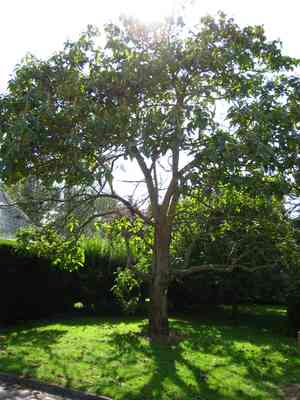
Paulownia (Paulownia) (Paulownia)
Also known as: Empress Tree, Princess Tree, Kiri
Paulownia trees are among the fastest-growing hardwoods globally, making them highly desirable for both ornamental and commercial purposes. Their rapid growth, resilience, and attractive, fragrant flowers make them popular in parks and gardens. Additionally, the lightweight yet strong wood of paulownia is prized in various industries, including furniture making, musical instrument crafting, and the production of storage chests. Their adaptability to different soil types and environmental conditions further enhances their appeal for widespread use.
In This Article
Attributes of Paulownia (Paulownia)
Lifespan
Perennial
Plant Height
10-25 meters
Spread
5-10 meters
Leaf Color
Green
Flower Size
10-30 cm
Flower Color
Violet-blue
Images of Paulownia (Paulownia)
Quickly Identify Paulownia (Paulownia)
1
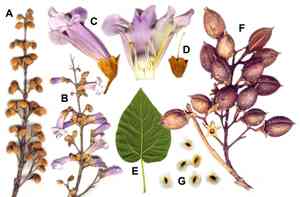
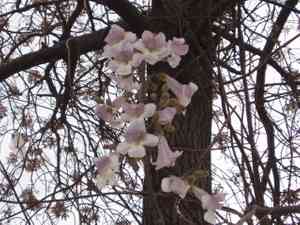
Paulownia can be identified by its large, broad leaves that are often heart-shaped or lobed, as well as by its velvety, seed-filled capsules and clusters of tubular, violet-blue flowers.
Scientific Classification of Paulownia (Paulownia)
Phylum
Tracheophyta
Class
Magnoliopsida
Order
Lamiales
Family
Paulowniaceae
Genus
Paulownia
Planting and Growing of Paulownia (Paulownia)
Care Difficulty
Easy
Watering Schedule
Every 4 days
Sunlight Requirements
Full sun
Sunshine Duration
6-10 hours
Ideal Temperature
60-77℉
Soil Type
Potting Mix, Peat Mix
Soil pH
6-7.5
Fertilizer Type
Balanced
Pruning Season
Spring, Summer
Pruning Area
Branches, Leaves
Pruning Frequency
2 times a year
Repotting Season
Spring
Pot Type
Plastic, Ceramic
 How to Water Paulownia (Paulownia)?
Paulownia, commonly known as the Empress Tree, thrives when the soil is kept consistently moist but not waterlogged. A typical watering session should involve approximately 500 ml of water per plant. It is essential to ensure that the water penetrates deeply into the soil, reaching the root zone to promote robust growth. Overly saturated soil can lead to root rot, so balance is key.
What are the symptoms of an underwatered Paulownia (Paulownia)?
›
What should I do if my Paulownia (Paulownia) is not getting enough water?
›
What are the symptoms of an overwatered Paulownia (Paulownia)?
›
How to save an overwatered Paulownia (Paulownia)?
›
 What Are the Sunlight Requirements for Paulownia (Paulownia)?
Paulownia prefers a mix of full and partial sun, ideally between 4 to 6 hours of sunlight daily. This range encourages healthy growth and flowering, enhancing both its structure and ornamental qualities.
Optimal Sunlight Duration
›
Solution to Achieve Ideal Sunlight
›
Benefits of Ideal Sunlight
›
 What Is the Ideal Temperature Range for Paulownia (Paulownia)?
The ideal temperature range for Paulownia is between 60°F and 77°F. This range supports optimal growth and metabolism, allowing the plant to thrive. Temperatures within this bracket ensure sufficient enzymatic activities and nutrient uptake. Paul's environment favors mild to warm conditions that simulate its native habitat. Maintaining temperatures within this range promotes healthy foliage, robust growth, and effective photosynthesis, thus ensuring the plant reaches its full potential.
 What Soil is Best for Paulownia (Paulownia)?
Paulownia thrives in well-drained soil where excess water can easily pass through. This prevents root rot and promotes healthy growth, as roots can access air and nutrients more efficiently. The tree benefits from soils rich in organic matter, which provide essential nutrients like nitrogen and phosphorus. This encourages vigorous leaf and wood production, essential for its fast growth. Aerated soil ensures roots can breathe and exchange gases efficiently, crucial for healthy metabolic processes. It supports robust root development and prevents common disorders associated with poorly aerated conditions.
 How to Fertilize Paulownia (Paulownia)?
Paulownia trees benefit from a balanced application of fertilizer. For liquid fertilizers, use approximately 300 ml per young tree every feeding during growing seasons, while mature trees may require around 600 ml. For slow-release fertilizers, a dose ranging from 100 to 200 grams applied in the early spring should suffice.
 How to Prune Paulownia (Paulownia)?
Begin by pruning away any dead or diseased limbs, which helps to maintain the tree’s health and encourages vigorous growth. Trim excessive growth that causes overcrowding. Ensure air circulates well within the crown by keeping a balanced branch structure. Prune the top of the tree to maintain a manageable height, ensuring it doesn’t outgrow its space or encroach on other plants.
 How to Propagate Paulownia (Paulownia) plant?
1
Collect mature seeds from the Paulownia fruit in late autumn. Ensure seeds are dry and free from any signs of mold or damage before storing them for use in the spring.
2
Select healthy branches and cut sections that are about 6-8 inches long. Remove leaves from the lower half to reduce moisture loss and dip the cutting ends in rooting hormone before planting.
3
Plant seeds or cuttings in well-draining soil. Make sure they receive adequate sunlight and maintain consistent soil moisture, but avoid waterlogging which can rot young roots.
 How to Repot Paulownia (Paulownia) plant?
1
Repotting Paulownia should be considered when the roots are visibly outgrowing the current pot or the soil quality has visibly deteriorated. Ideally, this should be done during early spring or in autumn when the plant is not in active growth. These seasons provide optimal conditions with milder temperatures, reducing stress on the plant while it adjusts to new soil.
2
Select a pot that is 2 to 4 inches larger in diameter than the current one, ensuring it has adequate drainage holes. This prevents water from accumulating at the bottom, which could lead to root rot. A larger pot offers more space for root expansion and helps accommodate the plant's vigorous growth, ensuring it remains healthy.
3
Opt for a well-draining sandy loam soil mix. This type of soil provides sufficient aeration and drainage, preventing waterlogging while retaining enough moisture for the plant's requirements. It supports nutrient availability and promotes healthy root development, which is crucial for the plant's robust growth.

