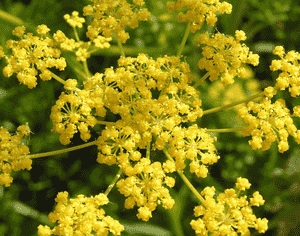
Parsnip (Pastinaca sativa)
Also known as: Wild parsnip, Panais sauvage
Parsnips, though similar to their cultivated counterparts, can cause skin irritation due to a compound in their sap. To prevent this, wear gloves and long sleeves when handling the plant. This will protect you from potential chemical burns and blisters, especially when exposed to sunlight. If your skin comes into contact with the sap, wash the area thoroughly with soap and water and stay out of the sun until you're sure the sap is fully removed.
Attributes of Parsnip
Images of Parsnip
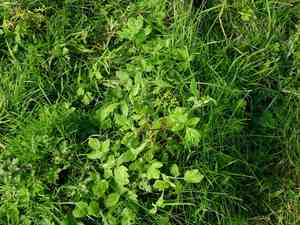
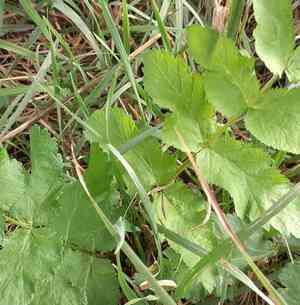
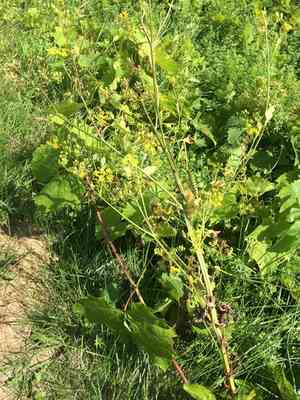
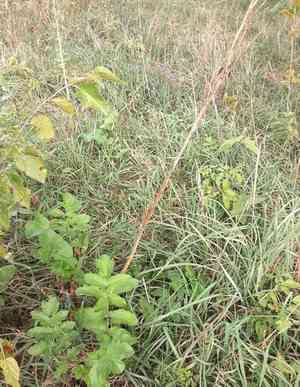
Quickly Identify Parsnip
Scientific Classification of Parsnip
Planting and Growing of Parsnip
 How to Water Parsnip?
 What Are the Sunlight Requirements for Parsnip?
 What Is the Ideal Temperature Range for Parsnip?
 What Soil is Best for Parsnip?
 How to Fertilize Parsnip?
 How to Prune Parsnip?
 How to Propagate Parsnip plant?
 How to Repot Parsnip plant?
Toxicity of Parsnip
Is Parsnip toxic to humans?
Parsnip is a plant with moderate toxicity that may lead to skin irritations. Its leaves, stems, and flowers are rich in furocoumarins, compounds known to trigger significant skin irritations. This skin condition, known as phytophotodermatitis, can be quite intense. Common side effects include redness, itching, burning sensations, and swelling at the site of exposure. Another frequent symptom of parsnip poisoning is increased sensitivity to sunlight. In certain instances, the rash can become severe enough to result in lasting scars. Additionally, ingestion of the plant can lead to abdominal discomfort.
Is Parsnip toxic to cat?
Parsnip presents a serious threat of toxicity to felines if consumed. All components of parsnip are poisonous, and even minimal ingestion can result in severe health complications. When a cat consumes any portion of parsnip, they might suffer from intense physical distress, illness, or pain. It is crucial for cat owners to ensure their pets do not have access to parsnip, and if there is any suspicion of poisoning, they should promptly consult a veterinary professional at a medical facility to manage any potentially life-threatening situations.
Is Parsnip toxic to dog?
Parsnip presents a significant toxicity threat to dogs. All parts of this plant are toxic, and canines may suffer from poisoning if they consume any portion. Signs of possible parsnip ingestion in dogs can include gastrointestinal distress, excessive drooling, weakness, disorientation, and in severe scenarios, outcomes like seizures or coma may occur. It is essential for pet owners to ensure that their dogs do not have access to parsnip and to keep a vigilant watch over them in areas where this plant is found. If a dog does ingest any part of parsnip, it is vital to seek immediate veterinary assistance to effectively address the poisoning.



