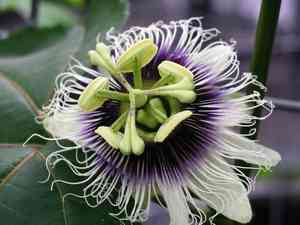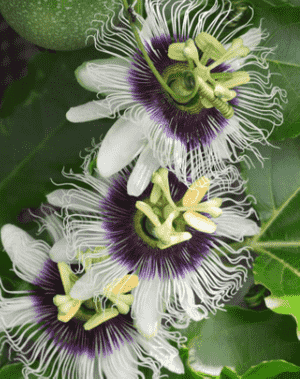
Common passionfruit(Passiflora edulis)

Common passionfruit (Passiflora edulis)

Also known as: Purple passionfruit

Passiflora edulis, commonly known as passion fruit, is a vine species native to Brazil and Paraguay. It is valued for its sweet, edible fruit, which can be enjoyed raw or used for juice. Additionally, this plant is noted for its strikingly beautiful flowers.

Attributes of Common passionfruit

Lifespan
Perennial
Plant Type
Vine, Herb
Plant Height
60 cm to 90 cm
Spread
1 m
Leaf Color
Green
Flower Size
4 cm
Flower Color
White Purple

PlantJoy - Identify plants with a snap

Identify and diagnose plants, get toxicity alerts, and explore safety guides for all types of fungi.

Try for Free

Images of Common passionfruit

Common passionfruit(Passiflora edulis)

Quickly Identify Common passionfruit

1
Distinctive summer blooms with white petals and purple filaments
2
Oval-shaped fruits with purple skin and juicy interior
3
Maturing fruit skin wrinkles as sweetness intensifies
4
Flourishes in abundant sunlight and consistent moisture
5
Vivid pigmentation and succulence in flowers and fruits

Scientific Classification of Common passionfruit

Phylum
Vascular plants
Class
Dicotyledons
Order
Nances, spurges, willows and allies
Family
Passionflowers
Genus
Passion flowers
Species
Common passionfruit

Planting and Growing of Common passionfruit

Care Difficulty
Easy
Watering Schedule
Every 8 days
Sunlight Requirements
Full sun
Sunshine Duration
4-8 hours
Ideal Temperature
68-82℉
Soil Type
Potting Mix, Peat Mix
Soil pH
6.5-7.5
Fertilizer Type
Balanced
Pruning Season
Spring, Summer
Pruning Area
Branches, Leaves
Pruning Frequency
2 times a year
Repotting Season
Spring
Pot Type
Plastic, Terracotta

water icon How to Water Common passionfruit?

For Passiflora edulis, aim to provide around 250 ml of water per session, ensuring the soil is evenly moist but not soggy. The key principle is to maintain a balance where the top inch of soil is kept slightly dry while deeper layers retain moisture.
What are the symptoms of an underwatered Common passionfruit?
What should I do if my Common passionfruit is not getting enough water?
What are the symptoms of an overwatered Common passionfruit?
How to save an overwatered Common passionfruit?
More About Watering Techniques

sunlight icon What Are the Sunlight Requirements for Common passionfruit?

Sunlight Requirements: Full sun, Partial sun
Duration of light: 6 to 8 hours
With an ideal range of partial to full sun, Passiflora edulis benefits from approximately 6 to 8 hours of sunlight daily. This amount allows for robust growth, improves vigor, and enhances fruiting potential.
What is the best location for Passiflora edulis?
How can I ensure Passiflora edulis receives adequate light indoors?
Why is ensuring proper light important for Passiflora edulis?
More About Sunlight Requirements Techniques

temperature icon What Is the Ideal Temperature Range for Common passionfruit?

Ideal Temperature: 68 ~ 82℉
Passiflora edulis thrives best within the temperature range of 68°F to 82°F. This range facilitates optimal growth and fruit production while minimizing stress on the plant. These temperatures ensure proper enzymatic activity, efficient photosynthesis, and robust growth.

soil icon What Soil is Best for Common passionfruit?

Soil type: Loam, Sandy loam
Soil PH: 6.5 ~ 7.5
Passiflora edulis requires well-draining soil to prevent root rot. Good drainage ensures that plant roots receive adequate oxygen and do not become waterlogged, which is critical for healthy growth. The soil should be nutrient-rich to support the vigorous growth of Passion fruit vines. Regular addition of organic matter, such as compost, can provide essential nutrients and improve soil texture. While the soil must drain well, it should also retain enough moisture to keep the roots hydrated. Balanced moisture retention helps sustain the plant through hot periods and prevents wilting. More About Soil

fertilize icon How to Fertilize Common passionfruit?

Fertilizer type: Balanced
For Passiflora edulis, the recommended fertilizer amount is around half to one pound of a balanced fertilizer per plant per year. A balanced 10-10-10 or 14-14-14 NPK fertilizer is ideal, applied in small amounts spread throughout the growing season to avoid nutrient shocks. More About Fertilizing Techniques

prune icon How to Prune Common passionfruit?

Pruning Time: Spring, Summer, Autumn
Always handle Passiflora edulis gently while pruning. Avoid tearing or excessively bending the vines as this can cause damage. It's best to prune on dry, preferably sunny days. This reduces the risk of moisture-related infections at the cut sites. Be mindful not to over-prune; removing too much foliage can stress the plant. Leave enough leaves to keep the plant healthy and support photosynthesis. If cutting multiple plants, disinfect your tools between each to prevent the spread of diseases or pests. More About Pruning Techniques

propagate icon How to Propagate Common passionfruit plant?

Propagate Time: Spring, Early summer
1
To propagate Passiflora edulis from seeds, begin by soaking them in warm water for 24 hours. This helps to soften the seed coat, encouraging faster germination. Use fresh seeds for the best results, as older ones may have reduced viability.
2
Select healthy Passiflora edulis stems and cut them to about 6-8 inches in length. Ensure that each cutting has at least three nodes. Remove the leaves from the lower half of the cutting to prevent decay when planted.
3
For grafting, select a healthy rootstock and a compatible scion from Passiflora edulis. Make a clean cut on both the rootstock and scion, then join them together firmly. Secure the graft with grafting tape, ensuring no movement, and place it in a controlled environment.
More About Propagating Techniques

repot icon How to Repot Common passionfruit plant?

Repotting frequency: Every 2-3 years
1
Keep an eye on your Passiflora edulis as it grows. Signs that it needs repotting include roots growing through the drainage holes, soil compacting quickly after watering, and stunted growth. The optimal time to repot is during the start of spring or summer for maximum recovery and growth.
2
Select a pot that is only slightly larger than the current size, perhaps 1-2 inches wider in diameter. This prevents excess soil from retaining too much moisture, which could lead to root rot. Ensure it has ample drainage holes to encourage healthy root aeration and moisture levels.
3
Choose a well-draining, sandy loam soil enriched with organic matter. This soil mix balances moisture retention with drainage, providing the roots with adequate oxygen and preventing water-logged conditions. It supports healthy growth and minimizes the risk of fungal diseases.
More About Repotting Techniques

PlantJoy - Identify plants with a snap

Find the best spots for them to optimize their health, simply using your phone.

Try for Free

Toxicity of Common passionfruit

Is Common passionfruit toxic to cat?

The common passionfruit poses a toxic threat to cats. If felines unintentionally consume the plant, especially its fruits and seeds, they may suffer poisoning. Symptoms can manifest as signs of physical distress, sickness, or pain following ingestion of common passionfruit. Therefore, it is vital for cat owners to supervise their pets closely and restrict their access to common passionfruit. Should poisoning be suspected, seeking prompt veterinary care is vital for the cat's health and safety.

Is Common passionfruit toxic to dog?

The common passionfruit is regarded as toxic to dogs. When this plant is ingested by dogs, especially its fruits and seeds, they face the danger of poisoning. Accidental consumption can occur as dogs may be drawn to various parts of the plant. Following the intake of any portion of common passionfruit, a dog may show a range of symptoms indicative of poisoning. These manifestations might involve gastrointestinal distress, vomiting, diarrhea, or more severe reactions based on the quantity consumed. Thus, it's vital for dog owners to remain alert and stop their pets from accessing common passionfruit. If a dog does consume any part of this plant, it is imperative to seek prompt veterinary assistance to ensure appropriate treatment and management of any potential toxic effects.

Identify toxic plants for your safety

Learn which plants are harmful to you and your pets, and make informed choices for a safer home!

Try for Free
WARNING
The judgment on toxicity and danger is for reference only. We DO NOT GUARANTEE any accuracy of such judgment. Therefore, you SHALL NOT rely on such judgment. It is IMPORTANT TO SEEK PROFESSIONAL ADVICE in advance when necessary.
More About Toxic Techniques