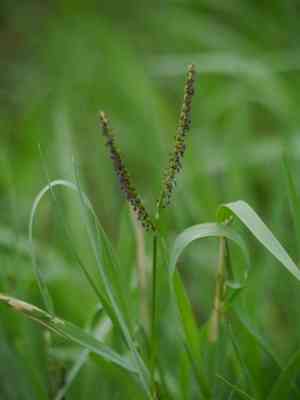
Paspalum (Paspalum) (Paspalum)
Also known as: Crowngrasses
The genus *Paspalum* is likely responsible for the biodiversity in South American grassland ecosystems. This genus encompasses a wide range of ecologically diverse annual and perennial grass species, many of which are utilized as forage grasses.
In This Article
Attributes of Paspalum (Paspalum)
Lifespan
Perennial
Plant Height
30-120 cm
Spread
15-60 cm
Leaf Color
Green
Flower Size
0.5-1 cm
Flower Color
Greenish to purplish
Images of Paspalum (Paspalum)
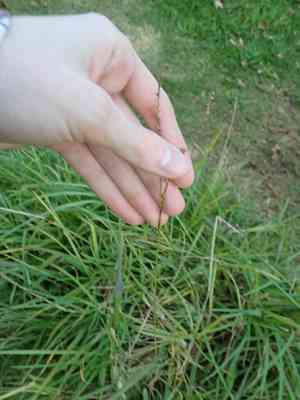
Quickly Identify Paspalum (Paspalum)
1
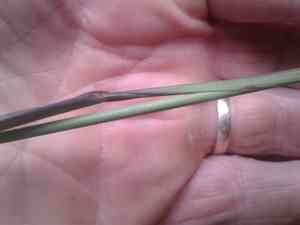
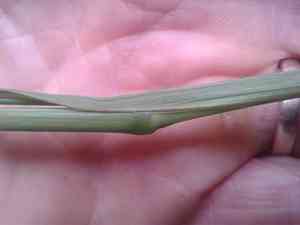
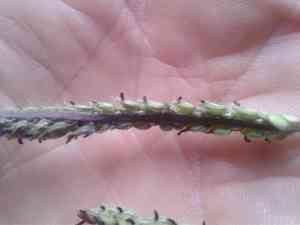
To identify Paspalum, look for its characteristic rounded or flattened flower spikes arranged along the stems in a finger-like or cluster form. The leaves are typically long and narrow with a smooth or slightly hairy texture.
Scientific Classification of Paspalum (Paspalum)
Phylum
Tracheophyta
Class
Liliopsida
Order
Poales
Family
Poaceae
Genus
Paspalum
Planting and Growing of Paspalum (Paspalum)
Care Difficulty
Easy
Watering Schedule
Every 3 days
Sunlight Requirements
Full sun
Sunshine Duration
6-10 hours
Ideal Temperature
70-85℉
Soil Type
Potting Mix, Peat Mix
Soil pH
5.5-8
Fertilizer Type
Balanced
Pruning Season
Spring, Summer
Pruning Area
Branches, Leaves
Pruning Frequency
2 times a year
Repotting Season
Spring
Pot Type
Plastic, Ceramic
 How to Water Paspalum (Paspalum)?
When watering Paspalum, ensure the soil is thoroughly moist without being waterlogged. A moderate soak once every week allows the roots to absorb sufficient moisture, typically around 500 milliliters per session. The key is to let the soil dry out partially in between waterings to prevent root rot.
What are the symptoms of an underwatered Paspalum (Paspalum)?
›
What should I do if my Paspalum (Paspalum) is not getting enough water?
›
What are the symptoms of an overwatered Paspalum (Paspalum)?
›
How to save an overwatered Paspalum (Paspalum)?
›
 What Are the Sunlight Requirements for Paspalum (Paspalum)?
Paspalum thrives in a range offering full to partial sunlight. This optimal light ensures vigorous growth, robust root systems, and lush, resilient foliage.
What is the best lighting condition for Paspalum?
›
How can I achieve this ideal lighting for Paspalum?
›
What benefits will Paspalum gain from ideal lighting?
›
 What Is the Ideal Temperature Range for Paspalum (Paspalum)?
What is the ideal temperature range for Paspalum growth? The ideal temperature range for Paspalum is between 70°F and 85°F. This range provides optimal conditions for photosynthesis, growth, and overall plant health. It ensures that the plant receives adequate warmth without risking heat stress, allowing it to thrive and maintain vibrant foliage.
 What Soil is Best for Paspalum (Paspalum)?
Paspalum flourishes in soil rich with organic matter, which helps retain moisture and provide essential nutrients. The organic content supports root development and leverages the plant's drought resistance, making it ideal for varying climates. For optimal growth, Paspalum demands well-drained soil conditions. This prevents root rot and facilitates aeration, which is crucial for nutrient uptake, ensuring lush and resilient foliage. While not overly needy, Paspalum benefits from moderately fertile soil. This balance maintains the plant's vitality without promoting excessive growth that could strain resources or lead to pest issues.
 How to Fertilize Paspalum (Paspalum)?
For Paspalum, it's recommended to apply about 0.5 pounds of nitrogen per 1,000 square feet during the growing season. This ensures optimal growth without overburdening the plant roots with excess nutrients, which can lead to long-term damage.
 How to Prune Paspalum (Paspalum)?
Begin by using a sharp pair of shears to trim the grass blades evenly across the surface, removing approximately one-third of the total height. Focus on keeping the cutting height uniform to promote even regrowth. This routine should control thatch build-up and improve air and nutrient penetration.
 How to Propagate Paspalum (Paspalum) plant?
1
Collect seeds from mature Paspalum plants by allowing flower heads to fully dry. Harvest seeds by gently tapping the dry flower heads over a container.
2
Sow collected seeds evenly over prepared soil. Lightly cover with a thin layer of soil and water gently, ensuring seeds are not displaced.
3
Use a sharp spade to divide mature Paspalum clumps in spring. Replant divisions promptly, ensuring each has roots and shoots, and water well.
 How to Repot Paspalum (Paspalum) plant?
1
Repot Paspalum when you notice roots emerging from the drainage holes or when growth becomes stagnant. These signs indicate that the plant has outgrown its pot, needing more space and nutrients. Spring and summer are ideal for repotting as Paspalum is actively growing, allowing it to adjust better to its new environment.
2
Select a pot that is one size larger than the current one. A slightly larger pot will provide enough room for root expansion without overwhelming the plant. Ensure the pot has proper drainage holes to prevent waterlogging, which can lead to root rot—a common issue with poor drainage.
3
Choose a well-draining mix containing equal parts of peat, sand, and loam. This combination offers the right balance of moisture retention and drainage, essential for healthy root development. An appropriate soil mix fosters robust plant growth while minimizing the risk of overwatering.

