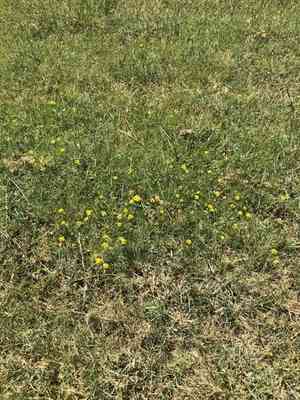
Bahiagrass (Paspalum notatum)
Also known as: Pensacola Bahia, Lawn Paspalum
Bermuda grass is recognized for its exceptional heat and drought resistance. Initially used as pasture grass, it has become popular for lawns as well. It features a deep root system and, though it takes time to establish, it forms a durable and resilient lawn.
In This Article
Attributes of Bahiagrass
Lifespan
Perennial
Plant Type
Grass
Plant Height
61 cm
Spread
50 cm to 1 m
Leaf Color
Green
Flower Size
7 cm to 16 cm
Flower Color
Green Yellow Purple Brown
Images of Bahiagrass
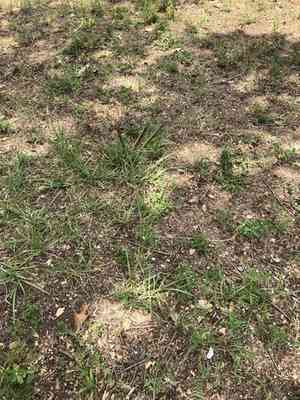
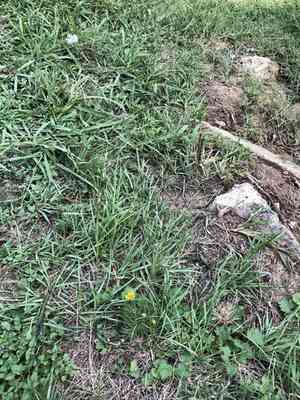
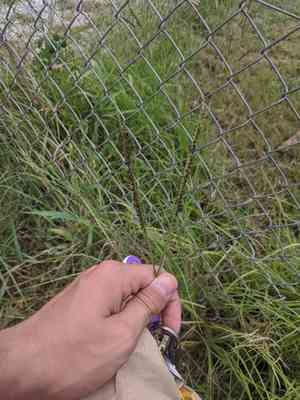
Quickly Identify Bahiagrass
1
Bluish-green foliage with a purple tinge
2
Leaf blades shaped like a 'V' in cross-section
3
Distinctive V-shaped seed head with small spikelets
4
Green linear leaves up to 12 inches (30 cm) long
5
Stems sheathed and smooth, reaching up to 2 feet (60 cm) tall
Scientific Classification of Bahiagrass
Phylum
Vascular plants
Class
Monocotyledons
Order
Poales
Family
Grass
Genus
Paspalum
Species
Bahiagrass
Planting and Growing of Bahiagrass
Care Difficulty
Easy
Watering Schedule
Every 4 days
Sunlight Requirements
Full sun
Sunshine Duration
4-6 hours
Ideal Temperature
75-85℉
Soil Type
Potting Mix, Peat Mix
Soil pH
5.5-7.5
Fertilizer Type
Balanced
Pruning Season
Spring, Summer
Pruning Area
Branches, Leaves
Pruning Frequency
2 times a year
Repotting Season
Spring
Pot Type
Plastic, Ceramic
 How to Water Bahiagrass?
Paspalum notatum, commonly known as bahia grass, thrives when watered consistently. Ideally, you should water the plant deeply with 500 ml to ensure moisture reaches the deeper roots. This follows the principle of 'deep and infrequent' watering, ensuring the soil is well-saturated without staying soggy, which helps the roots grow strong and deep.
What are the symptoms of an underwatered Bahiagrass?
›
What should I do if my Bahiagrass is not getting enough water?
›
What are the symptoms of an overwatered Bahiagrass?
›
How to save an overwatered Bahiagrass?
›
 What Are the Sunlight Requirements for Bahiagrass?
Paspalum notatum flourishes best under full sun exposure. This ensures robust growth, vibrant foliage color, and enhanced resilience against environmental stressors like pests and weeds.
More About Sunlight Requirements Techniques→
What is the ideal lighting condition for Paspalum notatum?
›
What solutions are available to achieve ideal lighting?
›
What benefits does the plant gain from ideal lighting?
›
 What Is the Ideal Temperature Range for Bahiagrass?
The ideal temperature range for Paspalum notatum, commonly known as Bahia grass, is between 75°F and 85°F. This warm-season grass thrives best under warm environmental conditions which promote optimal growth and development. Ensuring that the temperature stays within this range can help maintain healthy and vibrant vegetation throughout its growing season.
 What Soil is Best for Bahiagrass?
Paspalum notatum thrives in well-drained soils, which prevent waterlogging and root rot. This ensures robust root health and enhances nutrient uptake for vibrant growth. A soil rich in essential nutrients like nitrogen, phosphorus, and potassium promotes vigorous growth of Paspalum notatum. This encourages lush, green foliage and enhances its resilience against pests and diseases. The plant benefits from soils that can retain moisture without becoming overly saturated. This balance supports continuous access to water, crucial during periods of drought.
 How to Fertilize Bahiagrass?
For Paspalum notatum, it's optimal to use a balanced fertilizer with an N-P-K ratio of 16-4-8. Apply liquid fertilizers at a rate of 1 pound per 1,000 square feet each time, ensuring coverage without runoff. For slow-release fertilizers, around 3 pounds per 1,000 square feet annually should suffice, ideally spread over two or three applications.
 How to Prune Bahiagrass?
Paspalum notatum, commonly known as bahiagrass, responds best to regular monthly pruning during the growing seasons—spring, summer, and autumn. Regular pruning promotes healthy grass growth by removing dead or damaged blades and preventing the grass from becoming leggy or thinning. This also allows sunlight to penetrate the base, encouraging robust root development. To effectively prune bahiagrass, you should start by using a sharp pair of lawn shears or a mower set at the optimal height, typically between 2 to 4 inches depending on your growing conditions. Trim the grass evenly, ensuring not to cut more than one-third of the grass height at any single session. This method reduces stress on the grass, allowing it to thrive without damaging its capacity for photosynthesis.
More About Pruning Techniques→
 How to Propagate Bahiagrass plant?
1
Before planting, it is crucial to prepare the soil by loosening it and incorporating organic matter. This enhances drainage and enriches the soil with nutrients, necessary for successful germination and root establishment.
2
Spread seeds evenly over the prepared soil, ensuring they are adequately spaced. Cover with a thin layer of soil and water lightly. Keep the soil consistently moist but not waterlogged during the germination period.
3
Dig up an established plant carefully and use a sharp tool to divide the root mass into smaller sections. Each section should have healthy roots and shoots. Replant divisions quickly to minimize stress.
 How to Repot Bahiagrass plant?
1
Knowing when to repot Paspalum notatum involves looking for signs like roots poking out of the drainage holes or the plant drying out faster than usual. Such signs indicate the plant has outgrown its current pot. Ideally, repotting should be done when these signals emerge, ensuring a thriving environment for your plant.
2
Choose a pot that is an inch or two larger in diameter than the current one. The pot should have good drainage to prevent water accumulation, as excess water can lead to root rot. A properly sized pot allows room for growth and helps maintain appropriate soil moisture levels.
3
Select a soil mixture that offers good drainage and aeration. Paspalum notatum thrives in sandy or loamy soils that prevent waterlogging, which can cause root diseases. A well-draining soil mix is essential for root health, ensuring the plant receives adequate oxygen and nutrients.



