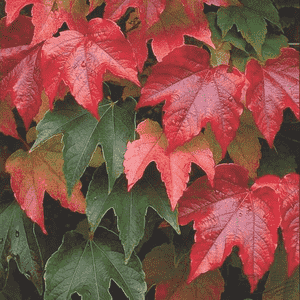
Boston ivy(Parthenocissus tricuspidata)

Boston ivy (Parthenocissus tricuspidata)

Also known as: Japanese ivy, Woodbine

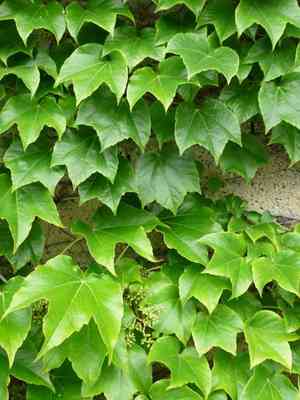
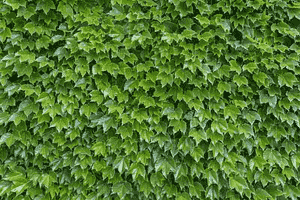
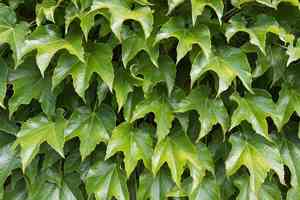
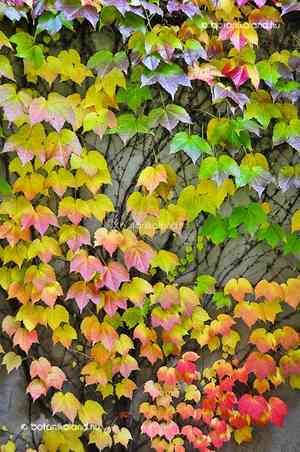
The plant in question is Boston Ivy (Parthenocissus tricuspidata), which actually belongs to the Vitaceae family, not the ivy family. Unlike traditional ivy, it is less harmful to buildings because its tendrils use sticky pads to adhere to surfaces rather than penetrating cracks. During the summer, its leaves are glossy and green, but they turn a vibrant scarlet or crimson in the fall.

Attributes of Boston ivy

Lifespan
Perennial
Plant Type
Vine
Plant Height
30 m
Spread
1 m to 3 m
Leaf Color
Green Red Purple
Flower Size
2.5 cm
Flower Color
Green Yellow White

PlantJoy - Identify plants with a snap

Identify and diagnose plants, get toxicity alerts, and explore safety guides for all types of fungi.

Try for Free

Images of Boston ivy

Boston ivy(Parthenocissus tricuspidata)

Quickly Identify Boston ivy

1
Adhesive-tipped tendrils aid climbing
2
Variable leaves with dramatic autumn color
3
Inconspicuous pale flowers in cymes
4
Dark bluish-black berries, concealed until autumn
5
Smooth twining stem with woody texture

Scientific Classification of Boston ivy

Phylum
Vascular plants
Class
Dicotyledons
Order
Vitales
Family
Grape
Genus
Parthenocissus
Species
Boston ivy

Planting and Growing of Boston ivy

Care Difficulty
Easy
Watering Schedule
Every 2 days
Sunlight Requirements
Full sun
Sunshine Duration
6-10 hours
Ideal Temperature
60-75℉
Soil Type
Potting Mix, Peat Mix
Soil pH
6.5-7.5
Fertilizer Type
Balanced
Pruning Season
Spring, Summer
Pruning Area
Branches, Leaves
Pruning Frequency
2 times a year
Repotting Season
Spring
Pot Type
Plastic, Ceramic

water icon How to Water Boston ivy?

Parthenocissus tricuspidata, also known as Boston Ivy, prefers a generous soaking. Aim for about 500 ml each time, ensuring the soil is thoroughly moist but not waterlogged. The key is to allow the top inch to dry out between watering.
What are the symptoms of an underwatered Boston ivy?
What should I do if my Boston ivy is not getting enough water?
What are the symptoms of an overwatered Boston ivy?
How to save an overwatered Boston ivy?
More About Watering Techniques

sunlight icon What Are the Sunlight Requirements for Boston ivy?

Sunlight Requirements: Full sun, Partial sun
Duration of light: 4 to 6 hours daily
Partial to full sun conditions are ideal, providing Parthenocissus tricuspidata with balanced light for vibrant growth and color. Adequate sunlight allows optimal energy absorption, leading to sturdy vines and full leaves.
What is the optimal sunlight exposure for Parthenocissus tricuspidata?
What can be done to achieve ideal sunlight conditions?
What are the benefits of receiving ideal light conditions?
More About Sunlight Requirements Techniques

temperature icon What Is the Ideal Temperature Range for Boston ivy?

Ideal Temperature: 60 ~ 75℉
For Parthenocissus tricuspidata, the ideal temperature range is between 60 and 75 degrees Fahrenheit. This range mirrors the natural growing conditions of Boston Ivy, ensuring optimal growth and health. It is crucial to maintain these conditions for vigorous foliage and better adaptation to environmental stressors.

soil icon What Soil is Best for Boston ivy?

Soil type: Loam, Clay soil, Sandy loam
Soil PH: 6.5 ~ 7.5
Parthenocissus tricuspidata thrives best in well-drained soil, which prevents waterlogging and root rot. This characteristic is essential for maintaining the plant's vigour and lush foliage, ensuring optimal growth conditions. This plant benefits from soils rich in essential nutrients like nitrogen, phosphorus, and potassium. Such soils boost growth and support the plant's vibrant foliage, enhancing its overall health and aesthetic appeal. A balance in moisture retention is critical; soils should retain enough moisture to nourish the plant while still promoting drainage. This prevents the plant from becoming too dry or overly wet, leading to a healthy growth environment. More About Soil

fertilize icon How to Fertilize Boston ivy?

Fertilizer type: Balanced
For Parthenocissus tricuspidata, it is important to apply fertilizers judiciously to avoid overfeeding or underfeeding. Use a balanced liquid fertilizer, diluted to half the recommended strength, at a rate of approximately 1 liter per square meter. Be mindful and adjust based on the specific requirements of your soil conditions. More About Fertilizing Techniques

prune icon How to Prune Boston ivy?

Pruning Time: Spring, Summer, Autumn
Using a pair of sharp, clean pruning shears, start by removing any dead or damaged branches. Ensure that you cut just above a healthy bud or shoot. This encourages the plant to focus its energy on new growth, which keeps it looking lush and vibrant. Aim to shape the plant by trimming excess growth that spreads sideways or upwards beyond your preferred area. For Parthenocissus tricuspidata, shaping is key to maintain an appealing aesthetic. Trim back any branches that stray outside the preferred boundary. The goal is to create a dense, bushy appearance without erratic outgrowth. Carefully decide on the parts to prune, ensuring the plant maintains a natural yet controlled look. More About Pruning Techniques

propagate icon How to Propagate Boston ivy plant?

Propagate Time: Spring, Early summer
1
Choose a healthy vine with no signs of disease or stress as this will increase the chances of success in propagation. Look for vibrant and mature sections of the plant.
2
Using clean pruning shears, cut 6-8 inches long vine sections with at least two nodes. Nodes are crucial as they are the point from where new roots will emerge.
3
Prepare a well-draining potting mix, then dip the cut end of the cutting into rooting hormone before planting. Insert the cutting into the soil ensuring at least one node below the surface.
More About Propagating Techniques

repot icon How to Repot Boston ivy plant?

Repotting frequency: Every 1-2 years
1
Repot Parthenocissus tricuspidata when you see roots extending out of the drainage holes, or if the growth has become noticeably slower. These signs indicate that the plant has outgrown its current pot and needs more space for root development.
2
Choose a pot that is 1-2 inches larger in diameter than the current one. This provides enough space for the root system to expand without overwhelming the plant, ensuring better growth and stability. A pot with drainage holes is essential to prevent waterlogging.
3
Opt for a well-draining potting mix that retains moisture but allows excess water to escape. Such soil composition helps prevent root rot and supports the vigorous growth habits of Parthenocissus tricuspidata.

PlantJoy - Identify plants with a snap

Find the best spots for them to optimize their health, simply using your phone.

Try for Free

Toxicity of Boston ivy

Is Boston ivy toxic to humans?

Boston ivy is among several plants rich in oxalates found throughout all parts, particularly in the berries. These substances create crystalline needles that can damage the mucous membranes in the mouth, throat, and gastrointestinal tract. This results in irritation and swelling—at times so severe that it may lead to difficulty in swallowing and even restricted breathing. Within the digestive system, it can trigger extreme stomach pain, nausea, vomiting, and diarrhea. It is essential to keep Boston ivy, especially its berries, out of reach of children.

Is Boston ivy toxic to cat?

Boston ivy, often referred to as Boston ivy, poses a minor toxicity threat to felines. When cats ingest significant quantities of the plant, particularly its fruits and leaves, they can suffer from poisoning. This consumption can lead to symptoms that suggest physical unease or illness in cats, including gastrointestinal issues such as diarrhea or vomiting. Given that these symptoms can worsen, it is crucial to obtain veterinary assistance without delay if a cat shows indications of boston ivy poisoning. Quick medical intervention is essential for promoting the cat's well-being and reducing harmful consequences.

Is Boston ivy toxic to dog?

Boston ivy presents a low toxicity risk for dogs. If canines consume large quantities of its fruits or foliage, they may suffer from poisoning. Symptoms that dogs might display after ingesting parts of boston ivy include vomiting, diarrhea, and abdominal discomfort. It is essential for dog owners to keep a close watch on their pets and restrict their access to regions where boston ivy flourishes to prevent potential poisoning. Should a dog ingest any part of boston ivy, it is vital to obtain immediate care at a veterinary clinic to safeguard the animal’s health and well-being.

Identify toxic plants for your safety

Learn which plants are harmful to you and your pets, and make informed choices for a safer home!

Try for Free
WARNING
The judgment on toxicity and danger is for reference only. We DO NOT GUARANTEE any accuracy of such judgment. Therefore, you SHALL NOT rely on such judgment. It is IMPORTANT TO SEEK PROFESSIONAL ADVICE in advance when necessary.
More About Toxic Techniques