
Mariola (Parthenium incanum)
Also known as: Mariola, New Mexico Rubberweed, Silverleaf
Mariola (Parthenium incanum) is a small, densely-branched shrub native to the arid regions of northern Mexico and the southwestern United States. During the spring and summer, it produces tiny flowerheads that cluster into tight white balls.
In This Article
Attributes of Mariola
Lifespan
Perennial
Plant Type
Herb
Plant Height
46 cm to 91 cm
Spread
45 cm to 90 cm
Leaf Color
Grayish-green
Flower Size
8 mm
Flower Color
White
Images of Mariola
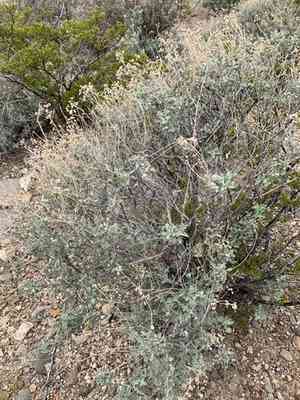
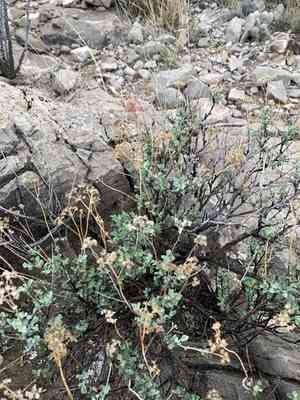
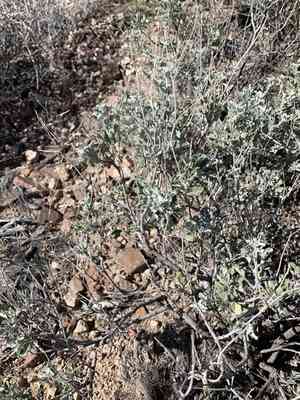
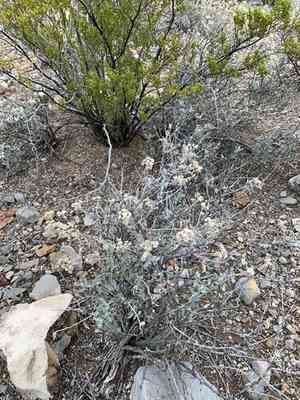
Quickly Identify Mariola
1
Look for the unique grayish-green leaves which are often silvery and felt-like in texture. The small, white flowers bloom in dense clusters.
Scientific Classification of Mariola
Phylum
Vascular plants
Class
Dicotyledons
Order
Asterales
Family
Daisy
Genus
Feverfews
Species
Mariola
Planting and Growing of Mariola
Care Difficulty
Easy
Watering Schedule
Every 2 days
Sunlight Requirements
Full sun
Sunshine Duration
6-10 hours
Ideal Temperature
65-75℉
Soil Type
Potting Mix, Peat Mix
Soil pH
6.5-7.5
Fertilizer Type
Balanced
Pruning Season
Spring, Summer
Pruning Area
Branches, Leaves
Pruning Frequency
2 times a year
Repotting Season
Spring
Pot Type
Plastic, Ceramic
 How to Water Mariola?
Parthenium incanum prefers a moderate watering regime. This means allowing the top 2 inches of soil to dry out before giving it a drink of about 500 milliliters. The goal is to mimic its natural habitat, which receives occasional rain rather than constant moisture.
What are the symptoms of an underwatered Mariola?
›
What should I do if my Mariola is not getting enough water?
›
What are the symptoms of an overwatered Mariola?
›
How to save an overwatered Mariola?
›
 What Are the Sunlight Requirements for Mariola?
Parthenium incanum prefers full to partial sunlight, benefiting from full sun exposure. This light range promotes vibrant color in the foliage and encourages prolific flowering.
More About Sunlight Requirements Techniques→
What amount of sunlight does Parthenium incanum need?
›
How to ensure Parthenium incanum receives ideal sunlight exposure?
›
What are the benefits of optimal sunlight for Parthenium incanum?
›
 What Is the Ideal Temperature Range for Mariola?
For Parthenium incanum, a temperate climate with temperatures ranging from 65°F to 75°F is ideal. These temperatures provide optimal conditions for photosynthesis and growth, ensuring the plant develops healthily during its growing season. Staying within this range helps maintain the plant's structural integrity and maximizes its ornamental and ecological benefits.
 What Soil is Best for Mariola?
Parthenium incanum thrives in sandy soil due to its excellent drainage properties. This type of soil prevents waterlogging, which is beneficial for the plant's root health and helps mitigate root rot risk. Calcareous soil contains high calcium carbonate levels, which elevate pH to an optimal range for Parthenium incanum. This calcium-rich environment supports the plant's structural development and overall growth. Proper soil aeration ensures Parthenium incanum roots receive enough oxygen. Sandy soil's loose structure facilitates air flow, promoting healthy root systems and vigorous plant growth.
 How to Fertilize Mariola?
Parthenium incanum requires a balanced approach to fertilization. Use a quarter-strength liquid fertilizer, applying approximately 1 tablespoon per gallon of water, ensuring not to overfeed.
 How to Prune Mariola?
Begin by identifying and cutting out any dead, diseased, or damaged branches. This helps direct the plant’s energy towards new, healthy growth. Selectively prune branches to allow better air circulation and light penetration. This reduces the risk of fungal diseases and promotes a healthier plant structure. Gently trim the outer growth to maintain a uniform shape, while ensuring the plant retains its natural aesthetics. Focus on outward-facing buds when making cuts to promote outward growth. After completing the initial pruning, step back to evaluate the plant’s balance and symmetry. Make additional adjustments if necessary, ensuring the plant looks cohesive from all angles.
More About Pruning Techniques→
 How to Propagate Mariola plant?
1
Before sowing, soak the seeds in warm water for a few hours to encourage germination. This helps to soften the seed coat and can improve the rate of successful germination.
2
Select healthy branches from the parent plant. Cut at a node to ensure a good rooting point and trim excess leaves to reduce moisture loss during propagation.
3
For seeds, plant them lightly covered with soil in seedling trays. For cuttings, dip the cut end in rooting hormone before planting in a well-draining mix to stimulate root development.
 How to Repot Mariola plant?
1
Repot Parthenium incanum when roots start to protrude from the drainage holes, signaling the need for a larger pot. Additionally, if the plant's growth becomes stunted or it shows signs of being root-bound, it's time for repotting. Best times are spring and autumn when the plant's energy is primed for growth.
2
When choosing a pot for Parthenium incanum, select one that's 1-2 inches larger in diameter than the current pot to allow room for growth. Ensure that it has sufficient drainage holes to prevent waterlogging, which is crucial for the plant's health. A well-fitting pot supports stability and optimal root expansion.
3
Opt for a well-draining cactus mix to repot Parthenium incanum, which mimics the plant's natural arid environment. This type of soil provides sufficient drainage, reducing the risk of root rot and promoting healthy growth. A nutrient-rich yet airy soil mix encourages strong root development.
Learn More About Mariola Diseases
Anthracnose
Bacterial Leaf Spot
Bacterial Soft Rot
Bacterial Wilt
Black Spot
Chemical Injury
Crown Gall
Cyst Nematode
Damping-off
Downy Mildew
Drought Stress
Fusarium Wilt
Gray Mold
Leaf Curl
Leaf Spot
Mosaic
Nutrient Deficiency
Nutrient Toxicity
Powdery Mildew
Root Rot
Root-knot Nematode
Rusts
Sooty Mold
Spider Mites
Temperature Stress
Thrips Damage
White Mold



