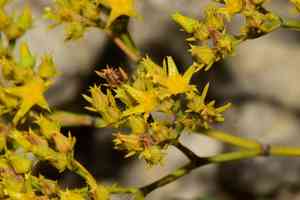
Yellow nailwort (Paronychia virginica)
Also known as: Virginia Whitlow-wort
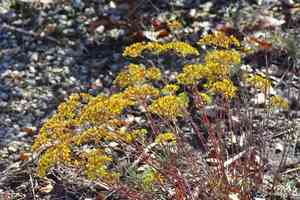
Yellow nailwort (Paronychia chartacea) is a resilient perennial herb indigenous to Florida's sandy and scrubby regions. It features tiny, yellowish-green flowers that bloom from spring through early summer, along with scale-like, papery leaves. This low-growing plant forms a sprawling mat and has thin, delicate stems. It is well-suited to full sun and can endure nutrient-poor, dry soils, making it highly adaptable to harsh environmental conditions.
In This Article
Attributes of Yellow nailwort
Lifespan
Perennial
Plant Type
Herb
Plant Height
0 mm to 30 cm
Spread
10-30 cm
Leaf Color
Green
Flower Size
Less than 1 cm
Flower Color
White to greenish
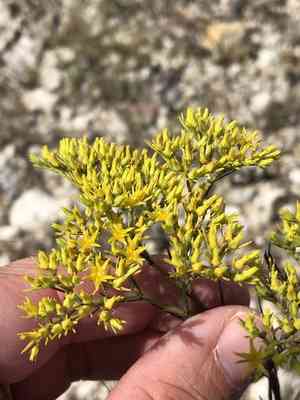
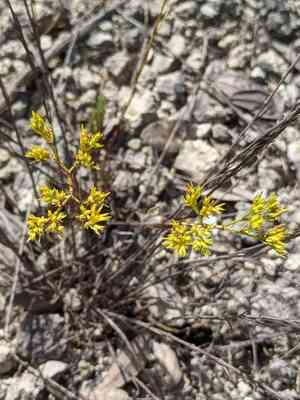
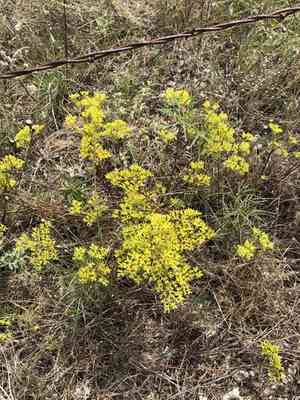
Images of Yellow nailwort
Quickly Identify Yellow nailwort
1
Paronychia virginica can be identified by its small, white to greenish flowers, narrow leaves, and a mat-forming growth habit.
Scientific Classification of Yellow nailwort
Phylum
Vascular plants
Class
Dicotyledons
Order
Caryophyllales
Family
Pink
Genus
Chickweed
Species
Yellow nailwort
Planting and Growing of Yellow nailwort
Care Difficulty
Easy
Watering Schedule
Every 2 days
Sunlight Requirements
Full sun
Sunshine Duration
6-12 hours
Ideal Temperature
60-75℉
Soil Type
Potting Mix, Peat Mix
Soil pH
6.5-7.5
Fertilizer Type
Balanced
Pruning Season
Spring, Summer
Pruning Area
Branches, Leaves
Pruning Frequency
2 times a year
Repotting Season
Spring
Pot Type
Plastic, Ceramic
 How to Water Yellow nailwort?
When watering Paronychia virginica, aim to moisten the root zone with about 200 ml of water. It's crucial not to oversaturate the soil but allow sufficient moisture for roots to absorb over time, so aim for dampness without excess drainage.
What are the symptoms of an underwatered Yellow nailwort?
›
What should I do if my Yellow nailwort is not getting enough water?
›
What are the symptoms of an overwatered Yellow nailwort?
›
How to save an overwatered Yellow nailwort?
›
 What Are the Sunlight Requirements for Yellow nailwort?
Paronychia virginica thrives in conditions offering full to partial sun—ideally 6-8 hours daily. This range supports optimal growth and foliage color while helping maintain its structural integrity and overall vitality.
Why Does Paronychia virginica Need Light?
›
How to Achieve Ideal Light Conditions?
›
Benefits of Ideal Light Exposure
›
 What Is the Ideal Temperature Range for Yellow nailwort?
For optimal growth, Paronychia virginica thrives best within a temperature range of 60°F to 75°F. This range supports healthy metabolic processes and encourages robust development. Extremes beyond this range can stress the plant, potentially inhibiting its growth and impairing its resilience.To provide the ideal temperature conditions for Paronychia virginica, consistent monitoring of environmental temperatures is crucial. If grown indoors, consider using thermostats to maintain the necessary warmth. Natural light can also help in stabilizing the temperatures within this range, creating a conducive environment for growth.
 What Soil is Best for Yellow nailwort?
Paronychia virginica thrives in well-drained soil conditions. Ensuring good drainage helps prevent root rot, a common problem in excessively moist soils. This allows the plant to grow robustly and maintain healthy foliage. A nutrient-rich soil provides essential minerals and nutrients that promote vigorous growth and flowering. Regular addition of organic matter can enhance soil fertility, providing long-term benefits to the plant’s health. Paronychia virginica prefers a slightly acidic to neutral pH range of 6.5 to 7.5. This pH range optimizes nutrient availability and uptake, ensuring the plant can access the required nutrients to thrive.
 How to Fertilize Yellow nailwort?
For Paronychia virginica, the application of fertilizer should be done with mindfulness and precision. Liquid fertilizer should be mixed to half strength before application to prevent nutrient burn. A concentration of about 1/4 tsp per gallon of water is generally safe for monthly applications.
 How to Prune Yellow nailwort?
Start by identifying any overgrown or straggly stems that extend outside the desired shape of the plant. These should be the first candidates for pruning. Focus on selective thinning—remove stems from the base to open up the plant. This helps light reach the inner parts and improves overall vigor. Avoid cutting more than one-third of the plant at a time. To encourage continued blooming, remove any spent flowers. This deadheading technique helps the plant direct energy into producing new blooms rather than seed production.
More About Pruning Techniques→
 How to Propagate Yellow nailwort plant?
1
Gather seeds in spring or early summer. Sow them on the surface of a mix created from equal parts peat and vermiculite. Lightly press seeds into the soil without covering them completely, as they require light to germinate.
2
Select healthy stems from a mature Paronychia virginica plant. Use sterilized pruning shears to cut 5-7 inches of stem just below a node. Remove lower leaves to prevent rot and improve rooting success.
3
Insert prepared cuttings into a pot filled with a mix of sand and perlite. Keep the environment humid and warm. Ensure the cuttings receive indirect sunlight and are misted regularly until roots develop.
 How to Repot Yellow nailwort plant?
1
Consider repotting Paronychia virginica when you notice roots starting to emerge from the drainage holes. Another sign is when the plant appears hungry for nutrients despite regular feeding. These signs usually indicate it's time for a new pot with fresh soil.
2
Select a pot that is 1-2 inches larger in diameter than the current one. This provides ample space for root growth and prevents rapid drying out. Ensure the pot has drainage holes to avoid waterlogging, which is crucial for the plant's health.
3
Opt for a well-draining sandy mix. The sandy texture ensures excess water doesn't linger around the roots, reducing the risk of root rot, while still providing enough support and nutrients to keep the plant healthy.
Learn More About Yellow nailwort Diseases
Anthracnose
Bacterial Leaf Spot
Bacterial Soft Rot
Bacterial Wilt
Chemical Injury
Crown Gall
Cyst Nematode
Damping-off
Downy Mildew
Drought Stress
Fusarium Wilt
Gray Mold
Leaf Spot
Mosaic
Nutrient Deficiency
Nutrient Toxicity
Powdery Mildew
Root Rot
Root-knot Nematode
Rusts
Sooty Mold
Spider Mites
Temperature Stress
Thrips Damage
White Mold


