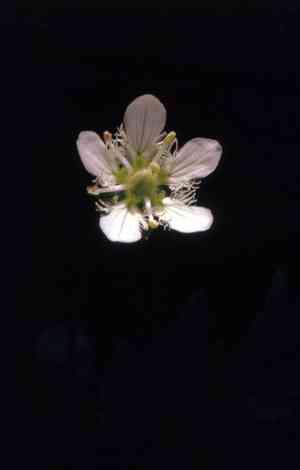
Fringed grass of parnassus (Parnassia fimbriata)
Also known as: Fringed Grass of Parnassus
Parnassia fimbriata, also known as fringed grass of Parnassus, is indigenous to the mountainous regions of western North America. Its leaves feature rounded blades, and the plant can reach up to 16 cm in length. The flower stalk, which can grow up to 40 cm tall, is mostly bare except for a single clasping bract halfway up.
In This Article
Attributes of Fringed grass of parnassus
Lifespan
Perennial
Plant Type
Herb
Plant Height
30 cm to 61 cm
Spread
Not applicable, as this plant does not form a crown
Leaf Color
Green
Flower Size
1-2 cm
Flower Color
White with green veins
Images of Fringed grass of parnassus

Quickly Identify Fringed grass of parnassus
1
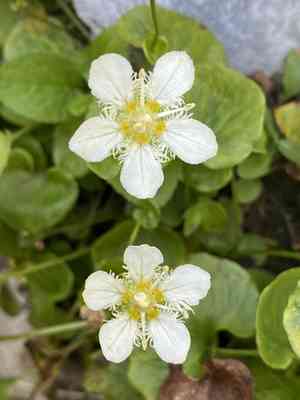
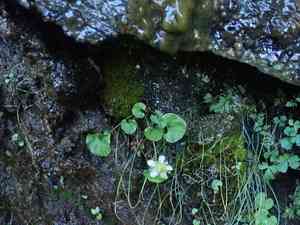
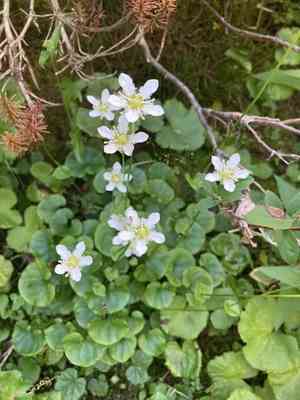
To identify Parnassia fimbriata, look for its unique fringed petals, which give it a lacy appearance. The five-petaled flowers are white, each with intricate, thread-like fringes and green veining. The leaves are heart-shaped and basal.
Scientific Classification of Fringed grass of parnassus
Phylum
Vascular plants
Class
Dicotyledons
Order
Celastrales
Family
Bittersweet
Genus
Bog-Stars
Species
Fringed grass of parnassus
Planting and Growing of Fringed grass of parnassus
Care Difficulty
Moderate
Watering Schedule
Every 4 days
Sunlight Requirements
Partial sun
Sunshine Duration
4-8 hours
Ideal Temperature
60-75℉
Soil Type
Potting Mix, Peat Mix
Soil pH
6.5-7.5
Fertilizer Type
Balanced
Pruning Season
Spring, Summer
Pruning Area
Branches, Leaves
Pruning Frequency
2 times a year
Repotting Season
Spring
Pot Type
Plastic, Ceramic
 How to Water Fringed grass of parnassus?
For Parnassia fimbriata, aim to provide around 250 ml of water per session, ensuring the soil is evenly moist but not waterlogged. The moisture level should allow the soil to maintain some airiness. It's best to water in a manner that replicates moderate natural rainfall.
What are the symptoms of an underwatered Fringed grass of parnassus?
›
What should I do if my Fringed grass of parnassus is not getting enough water?
›
What are the symptoms of an overwatered Fringed grass of parnassus?
›
How to save an overwatered Fringed grass of parnassus?
›
 What Are the Sunlight Requirements for Fringed grass of parnassus?
Partial sun is ideal, offering 4 to 6 hours of mild sunlight. This ensures robust growth and vibrant flowering without the adverse effects of excessive sunlight.
What is the ideal lighting for Parnassia fimbriata?
›
How can one ensure Parnassia fimbriata gets ideal lighting?
›
What benefits does optimal light bring to Parnassia fimbriata?
›
 What Is the Ideal Temperature Range for Fringed grass of parnassus?
Parnassia fimbriata thrives best within a temperature range of 60°F to 75°F. This range supports optimal growth and development, ensuring the plant can photosynthesize effectively and maintain robust health. Maintaining these temperatures enables the plant to flourish, producing vibrant foliage and flowers.
 What Soil is Best for Fringed grass of parnassus?
Parnassia fimbriata thrives in well-drained soil. Good drainage prevents waterlogging, which can lead to root rot. Ensuring that the soil drains efficiently will promote healthier roots and robust plant growth. This plant prefers nutrient-rich soil. Adequate nutrients support extensive foliage and bloom development. Incorporating organic matter like compost can enhance the soil's nutrient profile, contributing to the plant's lush appearance. While well-drained, the soil should also retain some moisture to keep the plant hydrated. Loam soils, which hold moisture well yet drain efficiently, are ideal to balance these needs effectively.
 How to Fertilize Fringed grass of parnassus?
For Parnassia fimbriata, the ideal amount of liquid fertilizer is half the recommended dose stated on the product. An overzealous hand can lead to fertilizer burn, which is detrimental.
 How to Prune Fringed grass of parnassus?
Begin by examining the plant carefully to identify which stems need pruning. Look for dead, diseased, or damaged stems and trim them back to the base. This will prevent the spread of disease and encourage robust new growth. Consider thinning out overly dense areas to allow sunlight and air to circulate, promoting healthier development. Employ a steady hand and make cuts at a 45-degree angle, just above a healthy leaf node. This ensures water runs off and prevents rot, while encouraging new side shoots to grow. Always cut close to the main stem to avoid lonely stubs that can harbor pests or diseases.
More About Pruning Techniques→
 How to Propagate Fringed grass of parnassus plant?
1
For seed propagation, prepare a soil mix that drains well. Loamy soil mixed with sand increases aeration, ensuring seeds have optimal vo conditions during germination.
2
When sowing seeds, distribute them evenly on the surface of your prepared seed tray. Lightly cover the seeds with a thin layer of soil to protect them while allowing the light exposure needed for some seeds to germinate.
3
For division propagation, carefully dig out the plant and gently separate healthy sections containing both roots and shoots. Replant these divisions in well-prepared soil, ensuring adequate spacing for new growth.
 How to Repot Fringed grass of parnassus plant?
1
Parnassia fimbriata needs repotting when you notice roots growing out of the drainage holes. It may also indicate cramped conditions if its growth slows or water drains too quickly, pooling at the surface. Repotting ensures it has sufficient room for root expansion, leading to healthier growth.
2
Choose a pot that is 1-2 inches larger in diameter than the current one. This size offers the perfect balance, allowing the roots to expand without overwhelming the plant. A pot with good drainage is crucial to prevent waterlogging, which can lead to root rot.
3
Use a well-draining peat mix that retains adequate moisture but doesn't become waterlogged. This type of soil allows for proper aeration, ensuring that roots receive the necessary oxygen while minimizing the risk of fungal diseases.



