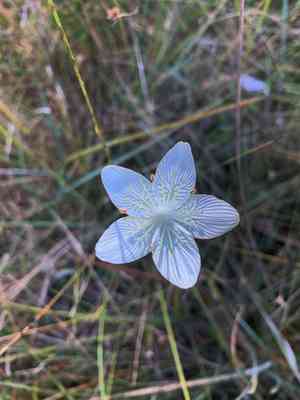
Carolina grass of parnassus (Parnassia caroliniana)
Also known as: Carolina Grass-Of-Parnassus
The basal leaves are characterized by their rounded to oval shapes with long petioles, while the stem leaves are heart-shaped and clasp the stem at their bases. The plant features solitary flowers with five deeply veined white petals, which can be over 2 cm long. Each flower contains five stamens with yellow anthers, and five three-parted staminodes. The fruit is a capsule.
In This Article
Attributes of Carolina grass of parnassus
Lifespan
Perennial
Plant Type
Herb
Plant Height
0 mm to 91 cm
Spread
Not Applicable
Leaf Color
Green
Flower Size
2-3 cm
Flower Color
White with green veins
Images of Carolina grass of parnassus
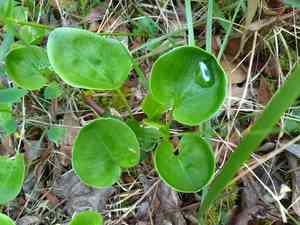
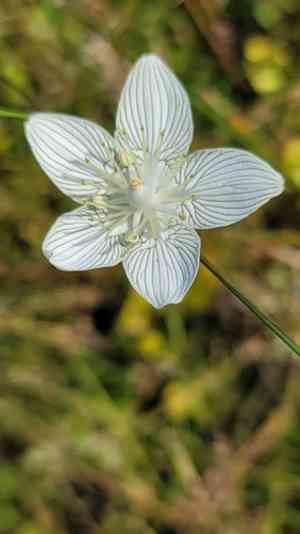
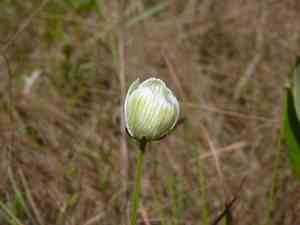
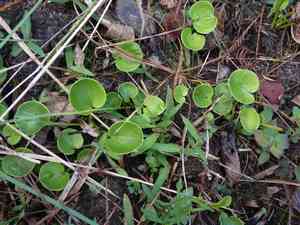
Quickly Identify Carolina grass of parnassus
1
Look for its distinctive white, star-shaped flowers with five petals and green veins. The leaves are rounded or heart-shaped, growing from the base of the plant.
Scientific Classification of Carolina grass of parnassus
Phylum
Vascular plants
Class
Dicotyledons
Order
Celastrales
Family
Bittersweet
Genus
Bog-Stars
Species
Carolina grass of parnassus
Planting and Growing of Carolina grass of parnassus
Care Difficulty
Moderate
Watering Schedule
Every 3 days
Sunlight Requirements
Partial sun
Sunshine Duration
6-10 hours
Ideal Temperature
60-75℉
Soil Type
Potting Mix, Peat Mix
Soil pH
5.5-7
Fertilizer Type
Balanced
Pruning Season
Spring, Summer
Pruning Area
Branches, Leaves
Pruning Frequency
2 times a year
Repotting Season
Spring
Pot Type
Plastic, Ceramic
 How to Water Carolina grass of parnassus?
When watering Parnassia caroliniana, aim for about 200 milliliters per session. The soil should be kept consistently moist but not waterlogged. Ensure the water is evenly distributed to avoid dry pockets, and let excess water drain to prevent root rot.
What are the symptoms of an underwatered Carolina grass of parnassus?
›
What should I do if my Carolina grass of parnassus is not getting enough water?
›
What are the symptoms of an overwatered Carolina grass of parnassus?
›
How to save an overwatered Carolina grass of parnassus?
›
 What Are the Sunlight Requirements for Carolina grass of parnassus?
Partial sun, ideally receiving 4-6 hours of filtered sunlight daily, supports optimal growth and flowering in Parnassia caroliniana. Balanced light exposure contributes to vibrant leaf color, robust stems, and timely blooming cycles.
What type of sunlight does Parnassia caroliniana need?
›
How can you ensure Parnassia caroliniana gets ideal light?
›
What benefits does ideal light offer Parnassia caroliniana?
›
 What Is the Ideal Temperature Range for Carolina grass of parnassus?
The ideal temperature range for Parnassia caroliniana typically falls between 60-75°F. This range ensures optimal growth, as it allows the plant to efficiently photosynthesize and absorb nutrients. When temperatures are maintained within this range, Parnassia caroliniana will exhibit healthy foliage and robust flowering.
 What Soil is Best for Carolina grass of parnassus?
Parnassia caroliniana thrives in soil rich in organic matter. This enhances nutrient availability and improves soil structure, promoting healthy root development and robust growth. Well-drained soil is crucial to prevent root rot. This ensures the roots receive adequate oxygen and prevents waterlogging, making it ideal for the plant's vitality. Maintaining moderate soil moisture levels is essential. Too much dryness can stress the plants, while consistent moisture supports their natural wetland habitat, catalyzing better flowering.
 How to Fertilize Carolina grass of parnassus?
For Parnassia caroliniana, it is important to apply fertilizers in moderation. When using liquid fertilizers, mix at half the recommended strength, ensuring uniform distribution around the base of the plant, avoiding direct contact with the leaves to prevent burns.
 How to Prune Carolina grass of parnassus?
Start by assessing the plant's structure, identifying any dead or diseased stems. Begin cutting back these undesirable parts with clean, sharp tools. Trim down to a healthy bud or node to encourage branching. Maintain the natural shape of Parnassia caroliniana by making precise, angled cuts just above a dormant bud. This not only enhances aesthetic appeal but also supports healthier future growth. After pruning, apply a gentle, balanced fertilizer to support recovery and encourage robust growth. Water the plant adequately, ensuring the soil remains moist but not waterlogged. Monitor for any signs of stress, such as wilting or discoloration, and adjust care routines accordingly to assist plant rejuvenation.
More About Pruning Techniques→
 How to Propagate Carolina grass of parnassus plant?
1
Collect seeds from mature Parnassia caroliniana plants in late summer or early autumn. Ensure the seeds are completely dry before storing them in a cool, dark place until ready for sowing in early spring.
2
Sow the collected seeds thinly on the surface of a prepared seed tray filled with damp potting mix. Lightly cover them with a thin layer of mix to ensure they receive the necessary light exposure.
3
Place the seed trays in a warm location with indirect sunlight. Maintain a consistent temperature and moisture level, ensuring the potting mix remains damp but not waterlogged during germination.
 How to Repot Carolina grass of parnassus plant?
1
Watch for signs such as roots growing out of the drainage holes or a noticeable slowdown in growth. These signals indicate that your Parnassia caroliniana is ready for a roomier home. Spring and autumn present the ideal conditions, offering a mild climate that eases the plant's transition.
2
Select a pot that is just slightly larger than the current one, ensuring it has adequate drainage holes. This careful sizing prevents excessive soil moisture, reducing the risk of root rot while providing ample space for growth.
3
Opting for a specialized soil mixture rich in organic matter and with good drainage will serve Parnassia caroliniana well. Such soil mirrors the plant's natural habitat, promoting healthy root development and nutrient absorption.
Learn More About Carolina grass of parnassus Diseases
Anthracnose
Bacterial Leaf Spot
Bacterial Soft Rot
Bacterial Wilt
Chemical Injury
Crown Gall
Cyst Nematode
Damping-off
Downy Mildew
Drought Stress
Fusarium Wilt
Gray Mold
Leaf Spot
Mosaic
Nutrient Deficiency
Nutrient Toxicity
Powdery Mildew
Root Rot
Root-knot Nematode
Rusts
Sooty Mold
Spider Mites
Temperature Stress
Thrips Damage
White Mold



