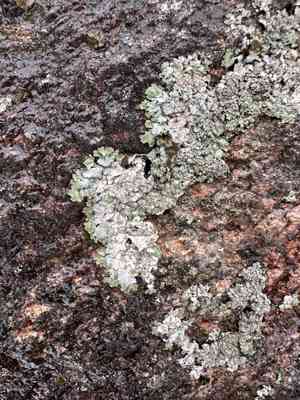
Salted shield lichen (Parmelia saxatilis)
Also known as: Gray crottle
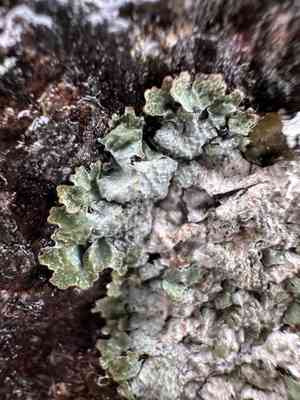
*Parmelia saxatilis*, originally named *Lichen saxatilis* by Carl Linnaeus in 1753 and later reclassified by Erik Acharius in 1803, is known as "crotal" in Scotland. This lichen, which typically grows on rocks but can also be found on bark and wood, has a greenish-gray to bluish-gray thallus that can turn brown when exposed. It is notable for its use in creating dyes that yield deep red-brown and rusty-orange hues, traditionally used in dyeing fabrics like Harris tweed. A similar species, *Parmelia sulcata*, is more commonly found on trees and has a cosmopolitan distribution.
In This Article
Attributes of Salted shield lichen
Lifespan
Perennial
Plant Type
Lichen
Plant Height
0.25 inches
Spread
2 inches
Leaf Color
Greenish to grey
Flower Size
N/A (Lichen do not produce flowers)
Flower Color
N/A (Lichen do not produce flowers)
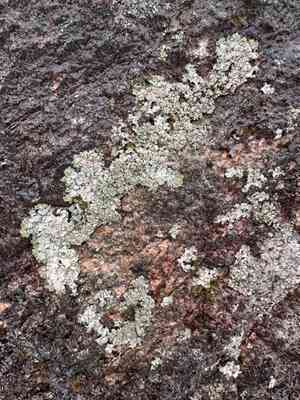
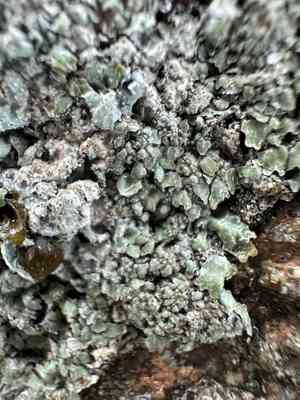
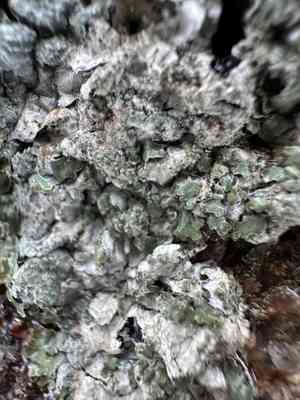
Images of Salted shield lichen
Quickly Identify Salted shield lichen
1
Parmelia saxatilis can be identified by its greenish to gray lobed thallus that is typically attached to rocks. It often has a wrinkled surface with numerous ridges and crinkles. The underside is usually brownish-black with simple, black rhizines.
Scientific Classification of Salted shield lichen
Phylum
Sac fungi
Class
Lecanoromycetes
Order
Lecanorales
Family
Parmeliaceae
Genus
Shield lichens
Species
Salted shield lichen
Planting and Growing of Salted shield lichen
Care Difficulty
Hard
Watering Schedule
Every day
Sunlight Requirements
Partial sun
Sunshine Duration
6-10 hours
Ideal Temperature
50-77℉
Soil Type
Potting Mix, Peat Mix
Soil pH
6.5-7.5
Fertilizer Type
Balanced
Pruning Season
Spring, Summer
Pruning Area
Branches, Leaves
Pruning Frequency
2 times a year
Repotting Season
Spring
Pot Type
Plastic, Ceramic
 How to Water Salted shield lichen?
Parmelia saxatilis is a lichen, commonly found on rocks and trees, that typically thrives in moist environments but is drought-tolerant. This means that when watering it, you need to ensure the substrate is moist but not waterlogged. It requires cautious watering and allowing it to dry slightly between watering. Aim for around 100 milliliters once a month if it is indoors, and let nature do its work outdoors with typical humidity.
What are the symptoms of an underwatered Salted shield lichen?
›
What should I do if my Salted shield lichen is not getting enough water?
›
What are the symptoms of an overwatered Salted shield lichen?
›
How to save an overwatered Salted shield lichen?
›
 What Are the Sunlight Requirements for Salted shield lichen?
Parmelia saxatilis thrives best in partial sun to full shade, simulating its native woodland environment. Ideal lighting aids in maintaining robust growth, structural integrity, and vivid coloration, essential for its ecological role.
What is the optimum light condition for Parmelia saxatilis?
›
How can you achieve the ideal lighting for Parmelia saxatilis?
›
What are the benefits of providing ideal lighting for Parmelia saxatilis?
›
 What Is the Ideal Temperature Range for Salted shield lichen?
Parmelia saxatilis thrives best in temperatures ranging from 50°F to 77°F. This ideal range supports optimal physiological functions such as photosynthesis and nutrient uptake. Within this range, the lichens can perform cellular processes efficiently, ensuring robust health and growth.
 What Soil is Best for Salted shield lichen?
Parmelia saxatilis thrives in soil with excellent drainage capabilities, allowing excess water to flow away swiftly. This is crucial to prevent root rot and fungal infections, ensuring the lichen remains healthy and vibrant. This plant prefers soil that offers a balanced nutrient profile without being excessively rich. Such conditions ensure steady growth, helping the lichen to maintain its structure and color without becoming overly lush and prone to issues. While the plant is somewhat drought-tolerant, it appreciates consistent moisture levels to prevent dehydration. Optimal moisture supports the metabolic activities and photosynthesis processes of Parmelia saxatilis.
 How to Fertilize Salted shield lichen?
Parmelia saxatilis is a hardy lichen that does not require frequent fertilization. When applying liquid fertilizer, use a diluted solution, such as a 1:10 ratio of fertilizer to water, and ensure it is suitable for lichens. For slow-release fertilizers, use sparingly, as lichens are not heavy feeders.
 How to Prune Salted shield lichen?
Use a pair of small, sharp scissors or a blade to make clean cuts. Avoid using large shears, as they can damage the delicate structure of the lichen. Carefully examine the lichen to identify any areas that appear excessively long or are encroaching on nearby plants or structures. These sections are the prime candidates for pruning. Hold the lichen gently to stabilize it. Make precise cuts to remove overgrown sections without damaging the skin of the lichen. Make sure to cut at an angle to allow for efficient moisture runoff. After pruning, keep an eye on the lichen's health. Ensure that no areas show signs of decay or dehydration. Adjust environmental conditions if necessary to support continued healthy growth.
 How to Propagate Salted shield lichen plant?
1
Choose a healthy stem from the parent plant that is neither too young nor too old. The selected stem should be several inches long and free from disease or damage to ensure successful propagation.
2
Use clean, sharp pruning shears to make a precise cut just below a leaf node. A straight cut will facilitate rooting and minimize damage to the rest of the stem.
3
Dip the cut end of the stem into rooting hormone powder, tapping off any excess. This step is crucial for encouraging quicker and more robust root development in the new cutting.
 How to Repot Salted shield lichen plant?
1
Parmelia saxatilis typically needs repotting when you notice it outgrowing its current resting place. Look for signs such as reduced growth, discolored or dehydrated thallus edges, or declining vitality. Spring is the ideal season for this change as the plant will have ample time to rejuvenate during the warmer months.
2
Select a shallow, well-draining container that allows moisture to escape rapidly. A container with a wider surface area accommodates the broad spreading of Parmelia saxatilis, facilitating optimal growth and ensuring that airflow prevents water stagnation, which can lead to decay.
3
Opt for a loamy substrate rich in organic matter but well-draining to replicate the natural rocky surfaces this lichen thrives on. This soil choice ensures the roots receive adequate moisture without becoming waterlogged, fostering robust and vibrant growth.

