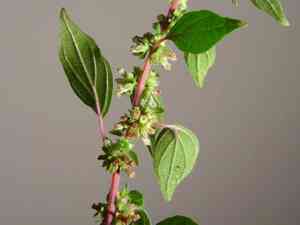
Parietaria (Parietaria) (Parietaria)
Also known as: Pellitory-of-the-wall, Lichwort, Stickyweed
Dandelions (Taraxacum) are flowering plants known for producing small dry fruits known as achenes. In the United States, they are often seen as common wildflowers, although some consider them weeds. The plants release their pollen into the air in puffs, which is then dispersed by the wind.
In This Article
Attributes of Parietaria (Parietaria)
Lifespan
Annual, Perennial
Plant Height
20-80 cm
Spread
N/A (herbaceous plant)
Leaf Color
Green
Flower Size
2-3 mm
Flower Color
Greenish
Images of Parietaria (Parietaria)
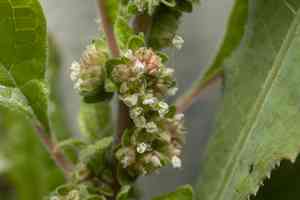
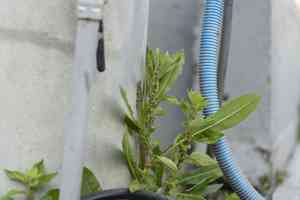
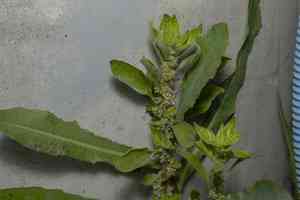
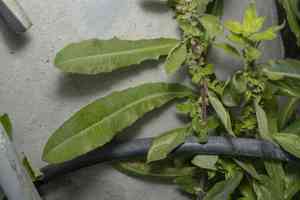
Quickly Identify Parietaria (Parietaria)
1
Parietaria can be identified by its small, greenish flowers that grow in clusters and its oval, alternate leaves. The stems are typically reddish and can be hairy or smooth.
Scientific Classification of Parietaria (Parietaria)
Phylum
Magnoliophyta
Class
Magnoliopsida
Order
Rosales
Family
Urticaceae
Genus
Parietaria
Planting and Growing of Parietaria (Parietaria)
Care Difficulty
Moderate
Watering Schedule
Every 3 days
Sunlight Requirements
Partial sun
Sunshine Duration
6-10 hours
Ideal Temperature
68-77℉
Soil Type
Potting Mix, Peat Mix
Soil pH
6.5-7.5
Fertilizer Type
Balanced
Pruning Season
Spring, Summer
Pruning Area
Branches, Leaves
Pruning Frequency
2 times a year
Repotting Season
Spring
Pot Type
Plastic, Ceramic
 How to Water Parietaria (Parietaria)?
Parietaria requires moderate watering, generally around 200 ml each time. The key is to ensure the soil is moist but not waterlogged. Water until you notice some drainage from the bottom of the pot, signaling the water has penetrated through the soil properly to reach the roots.
What are the symptoms of an underwatered Parietaria (Parietaria)?
›
What should I do if my Parietaria (Parietaria) is not getting enough water?
›
What are the symptoms of an overwatered Parietaria (Parietaria)?
›
How to save an overwatered Parietaria (Parietaria)?
›
 What Are the Sunlight Requirements for Parietaria (Parietaria)?
Parietaria thrives best in partial sun to full shade. This lighting ensures optimal leaf color and growth while preventing stress due to extreme heat or light intensity.
How much light does Parietaria need?
›
What happens if Parietaria gets too much sun?
›
What benefits from ideal light conditions for Parietaria?
›
 What Is the Ideal Temperature Range for Parietaria (Parietaria)?
The optimal temperature range for Parietaria growth is between 68°F and 77°F, which supports healthy leaf development and metabolic functions. Maintaining this range helps avoid stress on the plant, ensuring robust growth and fewer pest problems.
 What Soil is Best for Parietaria (Parietaria)?
Parietaria thrives in well-drained soil, which helps prevent root rot and supports healthy growth. Good drainage ensures that the roots have access to adequate oxygen, promoting vigorous development. This plant prefers moderately fertile soil, which provides essential nutrients without overwhelming the roots. Balanced fertility supports steady growth and enhances the plant's natural resilience. Parietaria benefits from soils that retain moisture while allowing excess water to drain away. Consistent moisture availability helps maintain lush foliage and prevents wilting or stress.
 How to Fertilize Parietaria (Parietaria)?
For Parietaria plants, a balanced 10-10-10 fertilizer is recommended. Use about 1 tablespoon per mature plant for optimal growth. Liquid fertilizers should be applied at the base of the plant, ensuring the soil is moist prior to application to avoid burning the roots.
 How to Prune Parietaria (Parietaria)?
Begin by gathering sharp, clean pruning shears or scissors. Proper tools ensure clean cuts, which are crucial for plant health. It minimizes damage and helps prevent diseases that can enter through jagged wounds. Examine the plant to identify stems that are overcrowded, diseased, or damaged. Target these sections first for pruning to open up space for air circulation and new growth while keeping the plant tidy. Cut stems at a 45-degree angle, about a quarter inch above a leaf junction. This angle helps water run off, reducing the risk of rot. Precision cuts ensure that the plant heals quickly and continues to thrive. Trim back long stems to encourage bushier growth. By cutting back longer stems, you stimulate the plant to produce multiple new shoots, creating a fuller appearance.
 How to Propagate Parietaria (Parietaria) plant?
1
Gather seeds from mature plants during the appropriate season. Clean and dry the seeds before planting to prevent mold and increase germination rates. Consider scarification or stratification if required.
2
Select healthy, disease-free stems and cut at an angle using sharp shears. Ensure each cutting has several nodes and remove the lower leaves to prevent rotting when placed in the soil.
3
Carefully dig around the root ball, ensuring minimal damage to the roots. Gently separate the plant into smaller sections, each with its roots, and replant immediately to minimize stress.
 How to Repot Parietaria (Parietaria) plant?
1
Repotting Parietaria should be timed when you notice roots emerging from the bottom of the pot or when growth seems stunted. These signs indicate the plant has outgrown its current home and needs more space to thrive.
2
Select a pot that is 1-2 inches larger in diameter than the current one. A pot too large can retain excessive moisture, while a small one limits growth. Ensure the pot has drainage holes to prevent waterlogging—an essential aspect for preventing root rot.
3
Opt for a loamy, well-draining mix to help prevent water retention around the roots. This type of soil mimics natural conditions, providing better air circulation and nutrient exchange, which is pivotal for Parietaria's healthy growth.
Learn More About Parietaria (Parietaria) Diseases
Anthracnose
Bacterial Leaf Spot
Bacterial Wilt
Chemical Injury
Damping-off
Downy Mildew
Drought Stress
Fusarium Wilt
Gray Mold
Leaf Curl
Leaf Spot
Mosaic
Nutrient Deficiency
Nutrient Toxicity
Powdery Mildew
Root Rot
Root-knot Nematode
Rusts
Sooty Mold
Spider Mites
Temperature Stress
Thrips Damage
White Mold

