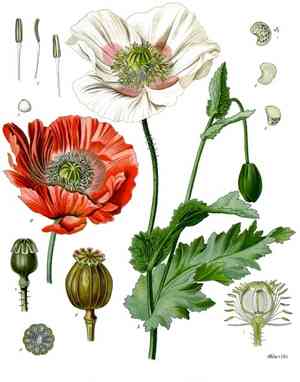
Opium poppy(Papaver somniferum)

Opium poppy (Papaver somniferum)

Also known as: Wild opium poppy

The opium poppy (*Papaver somniferum*), initially cultivated around 5,400 years ago by the lower Mesopotamians, was named “Hul Gil” or the "joy plant" by the Sumerians. This plant is crucial for producing medical painkillers. While its tiny seeds are often used as a topping for bread buns, most parts of the plant are toxic if ingested.

Attributes of Opium poppy

Lifespan
Annual
Plant Type
Herb
Plant Height
1 m
Spread
20 cm
Leaf Color
Green Blue Silver
Flower Size
3 cm to 10 cm
Flower Color
Pink Red White Yellow Purple Orange

ForwardPlant - Identify plants with a snap

Identify and diagnose plants, get toxicity alerts, and explore safety guides for all types of fungi.

Try for Free

Images of Opium poppy

Opium poppy(Papaver somniferum)

Quickly Identify Opium poppy

1
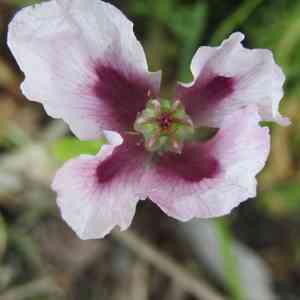
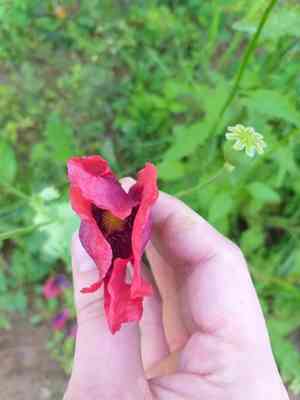
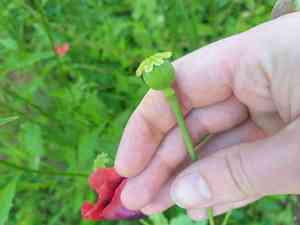
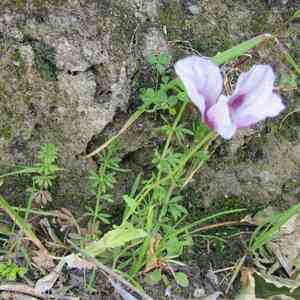
Papaver somniferum can be identified by its soft, greyish-green lobed leaves and large, showy flowers with tissue-paper-like petals that come in various colors including white, pink, red, and purple. It often has a distinctive swollen capsule at the center, which contains the seeds.

Scientific Classification of Opium poppy

Phylum
Vascular plants
Class
Dicotyledons
Order
Ranunculales
Family
Poppy
Genus
Poppies
Species
Opium poppy

Planting and Growing of Opium poppy

Care Difficulty
Moderate
Watering Schedule
Every 4 days
Sunlight Requirements
Full sun
Sunshine Duration
6-8 hours
Ideal Temperature
60-70℉
Soil Type
Potting Mix, Peat Mix
Soil pH
6.5-7.5
Fertilizer Type
Balanced
Pruning Season
Spring, Summer
Pruning Area
Branches, Leaves
Pruning Frequency
2 times a year
Repotting Season
Spring
Pot Type
Plastic, Ceramic

water icon How to Water Opium poppy?

For Papaver somniferum, the watering should aim to keep the soil moist but not waterlogged. Typically, about 250 ml of water per session is ideal. Ensure the top inch of the soil is dry between waterings, as this plant enjoys well-drained conditions and can be prone to root rot if overwatered.
What are the symptoms of an underwatered Opium poppy?
What should I do if my Opium poppy is not getting enough water?
What are the symptoms of an overwatered Opium poppy?
How to save an overwatered Opium poppy?

sunlight icon What Are the Sunlight Requirements for Opium poppy?

Sunlight Requirements: Full sun, Partial sun
Duration of light: 6 to 8 hours
Papaver somniferum prefers full sun to partial sun, flourishing with 6 to 8 hours of light daily, supporting robust growth and maximizing flower production.
How much sun does Papaver somniferum need?
How to achieve this ideal sun exposure?
What are the benefits of ideal light conditions?

temperature icon What Is the Ideal Temperature Range for Opium poppy?

Ideal Temperature: 60 ~ 70℉
The ideal temperature range for Papaver somniferum is between 60°F and 70°F. Maintaining this range ensures optimal growth, as it falls within the temperature conditions that the plant naturally thrives in. Consistent temperatures within this bracket promote healthy photosynthesis, efficient nutrient uptake, and robust flowering. Deviating from this range can lead to stress, which might slow growth or affect the plant's ability to produce viable seeds.

soil icon What Soil is Best for Opium poppy?

Soil type: Loam, Sandy loam
Soil PH: 6.5 ~ 7.5
Papaver somniferum thrives in nutrient-rich soil, which promotes robust growth and enhances the quality of the flowers. Ensuring ample organic matter improves moisture retention and nutrient availability, leading to healthier plants. This plant requires well-draining soil to prevent waterlogging and root rot. Ensuring proper drainage mimics its native conditions and supports a strong root system essential for flowering. Adequate moisture retention in the soil ensures that the plants can sustain themselves during dry spells. Stress from excessive drying is minimized, leading to continuous growth and vitality.

fertilize icon How to Fertilize Opium poppy?

Fertilizer type: Balanced
For Papaver somniferum, a balanced fertilizer blend with equal parts of N-P-K (Nitrogen, Phosphorus, and Potassium) is recommended. Each application of liquid fertilizer should be mixed at 1/4 strength to avoid over-fertilizing. For solid fertilizers, use approximately 25 grams per square meter.

prune icon How to Prune Opium poppy?

Pruning Time: Spring, Summer
Start by carefully examining your Papaver somniferum, identifying any dead or wilting stems. Use sterilized scissors or garden shears and cut the stems at a 45-degree angle. Ensure not to remove more than one-third of the plant at a time to avoid shock. Regularly deadhead spent blossoms to promote further blooming and extend the flowering season.

propagate icon How to Propagate Opium poppy plant?

Propagate Time: Early spring, Late spring, Early autumn
1
Choose high-quality seeds from a reputable source. Make sure that the seeds are not too old, as their viability decreases over time. Store them in a cool, dry place until planting.
2
Sprinkle seeds evenly on the surface of the prepared seed tray filled with moistened soil. Do not bury the seeds deeply; they need light to germinate, so a thin layer of soil is enough.
3
After sowing, water gently to avoid displacing or burying the seeds. Use a spray bottle to maintain moisture without washing the seeds away. Keep the soil consistently moist but not soggy.

repot icon How to Repot Opium poppy plant?

Repotting frequency: Once every two years
1
Repot Papaver somniferum when you notice roots growing out of the drainage holes or when growth seems stunted. These are clear indicators that the plant has outgrown its current pot and needs more space to thrive. Early spring is ideal for repotting, providing time for the plant to establish before the growing season.
2
Select a pot that is one size larger than the current one, ensuring there are drainage holes at the bottom. A pot that is too large can retain excess moisture, leading to root rot, while a well-sized pot encourages healthy root growth and stability. Opt for materials like clay or ceramic that offer stability and breathability.
3
Use a well-draining potting mix that is rich in organic matter. This soil type is crucial because it prevents waterlogging while providing essential nutrients. A well-balanced mix sustains the plant during its growth spurt and aids in preventing common issues like root rot and nutrient deficiencies.

ForwardPlant - Identify plants with a snap

Find the best spots for them to optimize their health, simply using your phone.

Try for Free

Toxicity of Opium poppy

Is Opium poppy toxic to humans?

The opium poppy, while visually stunning, is also highly lethal. This plant is the origin of latex which can be processed into morphine and various other analgesics, yet it poses a significant risk of poisoning. An overdose of this latex can be fatal. The toxic alkaloids responsible for the poisoning are present in the latex, primarily found in the seed capsule that develops beneath the flower. Consuming any part of the plant or its latex can lead to severe drowsiness, dangerously slow respiration and heart rate, and in extreme cases, may result in coma and death. Children are especially vulnerable to overdose, and they are often the ones most tempted to taste this plant. It’s crucial to ensure that children are kept away from the opium poppy.

Is Opium poppy toxic to cat?

The opium poppy is recognized as toxic for cats. Encounters usually happen when an inquisitive cat mistakenly eats the plant's fruits. After ingesting any portion of the opium poppy, cats may exhibit a range of symptoms suggesting physical distress or illness, which could worsen if not treated promptly. If a cat interacts with this plant and exhibits troubling signs, it is vital to pursue immediate veterinary assistance to safeguard their well-being and health. In cases of possible poisoning, timely intervention is crucial for a favorable recovery.

Is Opium poppy toxic to dog?

The opium poppy is regarded as toxic to canines. Dogs may suffer poisoning if they ingest the plant, especially the fruit, which harbors harmful substances. If a dog consumes any portion of the opium poppy, it could display symptoms like altered behavior, sedation, respiratory depression, or gastrointestinal distress. Given the seriousness of these symptoms and the risk of complications, it is crucial for a dog suspected of ingesting any part of the opium poppy to be taken to a veterinary clinic without delay for proper treatment.

Identify toxic plants for your safety

Learn which plants are harmful to you and your pets, and make informed choices for a safer home!

Try for Free
WARNING
The judgment on toxicity and danger is for reference only. We DO NOT GUARANTEE any accuracy of such judgment. Therefore, you SHALL NOT rely on such judgment. It is IMPORTANT TO SEEK PROFESSIONAL ADVICE in advance when necessary.
More About Toxic Techniques