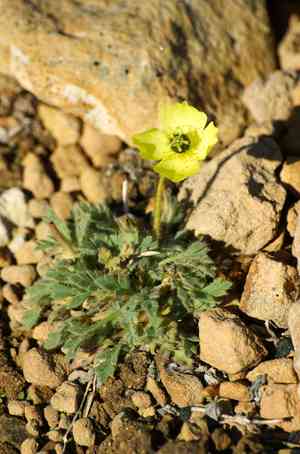
Arctic poppy (Papaver radicatum)
Also known as: Alaska poppy
Papaver radicatum is commonly referred to as Arctic poppy, rooted poppy, and yellow poppy.
In This Article
Attributes of Arctic poppy
Lifespan
Perennial
Plant Type
Herb
Plant Height
15 cm
Spread
10 cm
Leaf Color
Green
Flower Size
3-5 cm
Flower Color
Yellow or occasionally white
Images of Arctic poppy
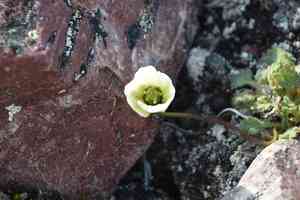
Quickly Identify Arctic poppy
1
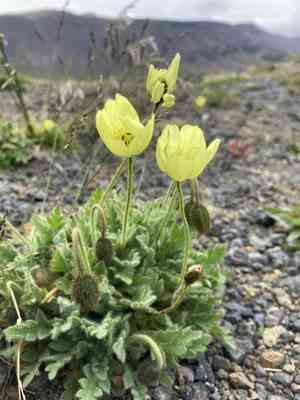
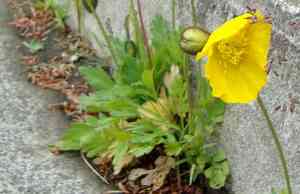
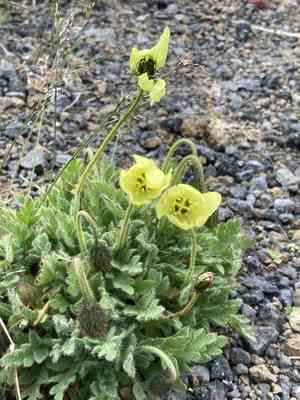
Papaver radicatum can be identified by its bright yellow flowers that resemble the common poppy. The plant is typically low-growing and has a rosette of basal leaves. The flower stems are slender and hairy.
Scientific Classification of Arctic poppy
Phylum
Vascular plants
Class
Dicotyledons
Order
Ranunculales
Family
Poppy
Genus
Poppies
Species
Arctic poppy
Planting and Growing of Arctic poppy
Care Difficulty
Easy
Watering Schedule
Every 2 days
Sunlight Requirements
Full sun
Sunshine Duration
4-8 hours
Ideal Temperature
55-65℉
Soil Type
Potting Mix, Peat Mix
Soil pH
6.5-7.5
Fertilizer Type
Balanced
Pruning Season
Spring, Summer
Pruning Area
Branches, Leaves
Pruning Frequency
2 times a year
Repotting Season
Spring
Pot Type
Plastic, Terracotta
 How to Water Arctic poppy?
Papaver radicatum requires delicate attention to its watering needs. Watering should be done till the soil is evenly moist but not waterlogged. Aim to drench the soil with about 150 ml of water, ensuring it penetrates several inches deep. This helps ensure the roots have access to necessary moisture without risking root rot due to waterlogging.
What are the symptoms of an underwatered Arctic poppy?
›
What should I do if my Arctic poppy is not getting enough water?
›
What are the symptoms of an overwatered Arctic poppy?
›
How to save an overwatered Arctic poppy?
›
 What Are the Sunlight Requirements for Arctic poppy?
Papaver radicatum performs best under full sun conditions. Adequate light ensures vibrant flower colors and strong plant growth by supporting robust photosynthesis, which fuels overall vigor.
How much sunlight does Papaver radicatum need daily?
›
What kind of location is best for Papaver radicatum?
›
How can ideal lighting conditions be maintained for Papaver radicatum?
›
 What Is the Ideal Temperature Range for Arctic poppy?
What is the ideal temperature range for cultivating Papaver radicatum? The ideal temperature range for growing Papaver radicatum is between 55°F and 65°F. This range provides the optimal environmental conditions that facilitate proper growth, plant health, and vibrant blooms. The temperatures allow the plant to perform essential physiological activities efficiently. In this range, metabolic processes such as photosynthesis and transpiration occur at optimal rates, ensuring robust growth.
 What Soil is Best for Arctic poppy?
Papaver radicatum thrives in well-drained soil, which prevents waterlogging and root rot, ensuring the roots receive adequate oxygen. This is crucial in maintaining the plant's health, especially in regions with heavy rainfall. This plant prefers soil with moderate nutrient content, which can be naturally found in sandy loam. Providing such soil ensures the poppy gets a balanced supply of nutrients, promoting healthy growth and vibrant blooms. Papaver radicatum prefers a soil pH between 6.5 and 7.5. Maintaining this pH range helps optimize nutrient uptake and contributes to the plant's overall vigor and flowering potential.
 How to Fertilize Arctic poppy?
For Papaver radicatum, appropriate fertilization is essential for vibrant growth. Use approximately half-strength liquid fertilizer bi-monthly during the growing season. It's important not to exceed this amount, ensuring the nutrients are available without overwhelming the plant.
 How to Prune Arctic poppy?
When pruning, always use sharp, clean gardening shears. This helps to make precise cuts and reduces the risk of disease transmission to the plant. Dull tools can cause ragged cuts, increasing the chance of infection. Start by removing any dead, damaged, or diseased stems. Cut close to the base, ensuring you don't leave any stubs, which can become entry points for pests or diseases. Cut back any overcrowded areas to improve airflow throughout the plant. This not only helps prevent fungal diseases but also enhances the aesthetic appeal of the Papaver radicatum.
More About Pruning Techniques→
 How to Propagate Arctic poppy plant?
1
Before planting, soak the seeds in lukewarm water for 12-24 hours to soften the outer coat, enhancing germination rates. This step is crucial as it prepares the seeds for the subsequent stages of propagation.
2
Sow the soaked seeds on the surface of the prepared potting mix in seed trays. Lightly press them into the soil without covering them, as poppy seeds require light to germinate. Maintain a gentle misting to keep the soil surface moist.
3
Ensure the trays are placed in a warm environment with temperatures between 65-75°F (18-24°C). Adequate lighting, either from a sunny windowsill or grow lights, is essential. Maintain soil moisture with regular, gentle watering.
 How to Repot Arctic poppy plant?
1
Papaver radicatum should be repotted when you notice roots crowding the surface or weaving through drainage holes, signaling it needs more room. Another indicator is stunted growth despite regular care, suggesting that the soil has become nutrient-poor.
2
Select a pot that is one size larger than the current one, ensuring it has sufficient drainage holes. This prevents waterlogging, which could cause root rot. A slightly larger space encourages healthy root expansion, aiding in plant growth and vigor.
3
Aim for a sandy, well-draining soil mix to mimic its natural alpine environment. This type of soil prevents water from accumulating around the roots, reducing the risk of rot and providing an airy environment for root development.
Toxicity
Ingestion
WARNING
The judgment on toxicity and danger is for reference only. We DO NOT GUARANTEE any accuracy of such judgment. Therefore, you SHALL NOT rely on such judgment. It is IMPORTANT TO SEEK PROFESSIONAL ADVICE in advance when necessary.
Learn More About Arctic poppy Diseases
Anthracnose
Bacterial Leaf Spot
Bacterial Soft Rot
Bacterial Wilt
Chemical Injury
Cyst Nematode
Damping-off
Downy Mildew
Drought Stress
Fusarium Wilt
Gray Mold
Leaf Spot
Mosaic
Nutrient Deficiency
Nutrient Toxicity
Powdery Mildew
Root Rot
Root-knot Nematode
Rusts
Sooty Mold
Spider Mites
Temperature Stress
Thrips Damage
White Mold



