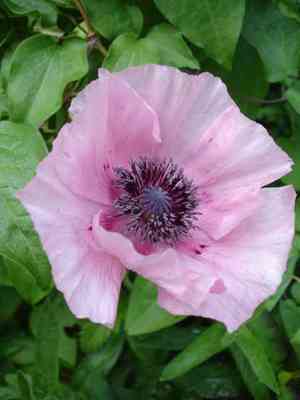
Oriental poppy (Papaver orientale)
Also known as: Oriental Poppy
The Geum is a perennial, herbaceous plant that forms clumps and features slightly hairy stems and leaves. While it is often recognized for its vibrant scarlet flowers, cultivars of Geum also bloom in a variety of colors, including orange, pink, white, and plum.
Attributes of Oriental poppy
Images of Oriental poppy
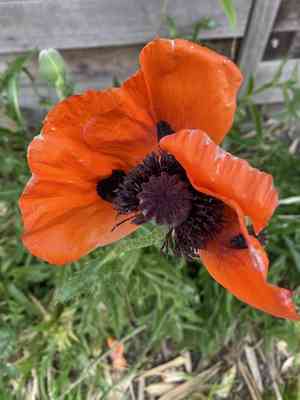
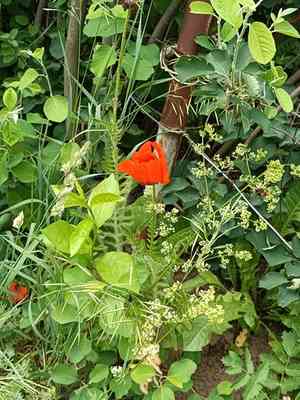
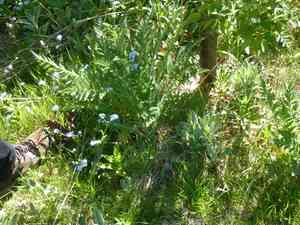
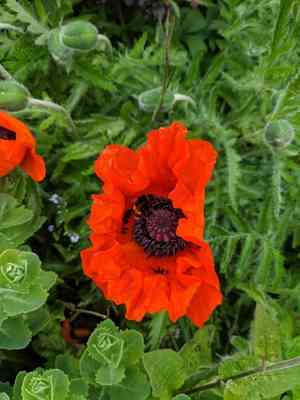
Quickly Identify Oriental poppy
Scientific Classification of Oriental poppy
Planting and Growing of Oriental poppy
 How to Water Oriental poppy?
 What Are the Sunlight Requirements for Oriental poppy?
 What Is the Ideal Temperature Range for Oriental poppy?
 What Soil is Best for Oriental poppy?
 How to Fertilize Oriental poppy?
 How to Prune Oriental poppy?
 How to Propagate Oriental poppy plant?
 How to Repot Oriental poppy plant?
Toxicity of Oriental poppy
Is Oriental poppy toxic to humans?
To date, no verified incidents of poisoning have been linked to the oriental poppy; nonetheless, numerous other plants within the same genus are deemed extremely poisonous to humans. It is believed that Oriental poppies may harbor similar toxins, particularly if any part of the plant is consumed. Symptoms of potential poisoning could manifest as shallow breathing, stupor, reduced circulation, and even coma. Be cautious not to confuse these poppies with other varieties whose seeds are utilized as culinary spices.
Is Oriental poppy toxic to cat?
The Oriental poppy is recognized as a toxic plant for cats, as every part of it—including flowers, fruits, leaves, roots, seeds, stems, and bark—presents potential risks. Cats might inadvertently ingest parts of the Oriental poppy, which could result in poisoning episodes. Following ingestion, a cat may exhibit general signs of discomfort or illness. While the exact toxic components of the Oriental poppy are not specified, pet owners should exercise caution and monitor their cats for any unusual health changes. It is crucial to obtain prompt veterinary assistance if poisoning is suspected to safeguard the well-being of the affected cat.
Is Oriental poppy toxic to dog?
The oriental poppy is known to be toxic to dogs. Canines may unintentionally consume various parts of this plant, including its flowers, fruits, leaves, roots, seeds, stems, or bark. Following the ingestion of the oriental poppy, a dog may show symptoms that indicate poisoning. Such symptoms can include gastrointestinal distress, lethargy, excessive drooling, vomiting, and diarrhea. It is essential for dog owners to closely observe their pets and prevent their access to oriental poppy to avoid any accidental consumption. If a dog does ingest any part of the oriental poppy, it is vital to seek prompt veterinary assistance to ensure the best possible outcome for the pet.



