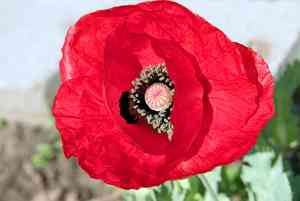
Tulip poppy (Papaver glaucum)
Also known as: Turkish Tulip, Scarlet Poppy
*Papaver glacum*, commonly known as the tulip poppy, Turkish tulip, or Turkish red poppy, is a species of poppy native to the Anatolia region.
In This Article
Attributes of Tulip poppy
Lifespan
Annual
Plant Type
Herb
Plant Height
20-60 cm
Spread
Not typically applicable as it is a herbaceous plant
Leaf Color
Blue-green
Flower Size
5-7 cm
Flower Color
Bright red
Images of Tulip poppy
Quickly Identify Tulip poppy
1
Papaver glaucum can be identified by its vibrant red flowers with dark center spots, smooth blue-green leaves, and a height of around 20-60 cm. The flowers typically have four petals and bloom in late spring to early summer.
Scientific Classification of Tulip poppy
Phylum
Vascular plants
Class
Dicotyledons
Order
Buttercups, poppies and allies
Family
Poppy
Genus
Poppies
Species
Tulip poppy
Planting and Growing of Tulip poppy
Care Difficulty
Easy
Watering Schedule
Every 2 days
Sunlight Requirements
Full sun
Sunshine Duration
6-10 hours
Ideal Temperature
60-75℉
Soil Type
Potting Mix, Peat Mix
Soil pH
6.5-7.5
Fertilizer Type
Balanced
Pruning Season
Spring, Summer
Pruning Area
Branches, Leaves
Pruning Frequency
2 times a year
Repotting Season
Spring
Pot Type
Terracotta, Plastic
 How to Water Tulip poppy?
The Papaver glaucum requires a moderate watering amount, generally around 250 ml per session. This ensures the soil is adequately moist but never waterlogged. It's crucial to wait until the top inch of soil feels dry before watering, as this balances hydration needs without inciting rot.
What are the symptoms of an underwatered Tulip poppy?
›
What should I do if my Tulip poppy is not getting enough water?
›
What are the symptoms of an overwatered Tulip poppy?
›
How to save an overwatered Tulip poppy?
›
 What Are the Sunlight Requirements for Tulip poppy?
Papaver glaucum requires an ideal light range of full sun exposure. This ensures vibrant flowering and strong, healthy growth, optimizing the plant's ability to photosynthesize effectively.
Ample sunlight
›
Balancing shading
›
Practical solutions
›
 What Is the Ideal Temperature Range for Tulip poppy?
Maintaining the ideal temperature range of 60°F to 75°F for Papaver glaucum is crucial as it ensures optimal growth. This temperature range facilitates proper enzymatic activity, improves nutrient absorption, and promotes healthy flowering. Deviations can lead to stress, affecting overall plant health adversely.
 What Soil is Best for Tulip poppy?
Papaver glaucum thrives in nutrient-rich soils that provide essential minerals for healthy growth. This includes sufficient organic matter to support vibrant foliage and robust flower production, ensuring the plant's striking red blooms are at their best. This plant requires well-drained soil to prevent root rot, which can be fatal. Proper drainage ensures that water does not accumulate around the roots, which can lead to disease, allowing the plant to thrive in optimal conditions. Soils with moderate moisture retention help maintain consistent moisture levels, essential for Papaver glaucum. This balance prevents the plant from wilting in dry conditions and supports steady growth, especially during hot weather.
 How to Fertilize Tulip poppy?
For Papaver glaucum, the fertilization amount should be moderate. In the growing season, apply about 1 to 2 tablespoons of liquid fertilizer per gallon of water, ensuring not to overwhelm the plant. Adjust according to plant size and growth rate.
 How to Prune Tulip poppy?
Start by cutting back faded flowers near the leaf node to prevent seed formation and encourage reblooming. This deadheading is crucial for prolonged flowering periods. Remove any dead or damaged stems to enhance airflow around the plant, thus reducing fungal diseases. Trim the plant to maintain a bushy and compact form by cutting back leggy stems. Focus on pruning from the top for height control and encourage side growth, which helps in achieving a fuller appearance.
More About Pruning Techniques→
 How to Propagate Tulip poppy plant?
1
Start by filling seed trays or pots with a well-draining seed-starting mix. The soil should be moist but not waterlogged to prevent seed rot.
2
Scatter the seeds evenly over the surface of the soil and lightly press them down. Avoid covering the seeds with soil as they require light to germinate.
3
Water the seeds gently using a spray bottle to avoid displacing them. Keep the soil consistently moist and place the trays in a location with indirect sunlight.
 How to Repot Tulip poppy plant?
1
Repotting is best done when the plant shows signs of being root-bound, such as roots emerging from the pot drainage holes or declining growth. Additionally, repot if the soil loses its fertility and doesn't retain moisture well.
2
Choose a pot that is 1-2 inches larger in diameter than the current one. Ensure it has sufficient drainage holes to prevent root rot. A slightly porous material like terracotta is excellent as it allows air circulation, keeping roots healthy.
3
Opt for a well-draining loamy mix, rich in organic matter. This type of soil provides excellent drainage while retaining necessary nutrients and moisture for the plant to flourish, preventing root rot.
Learn More About Tulip poppy Diseases
Anthracnose
Bacterial Leaf Spot
Bacterial Soft Rot
Bacterial Wilt
Black Spot
Chemical Injury
Damping-off
Downy Mildew
Drought Stress
Fusarium Wilt
Gray Mold
Leaf Curl
Leaf Spot
Mosaic
Nutrient Deficiency
Nutrient Toxicity
Powdery Mildew
Root Rot
Root-knot Nematode
Rusts
Sooty Mold
Spider Mites
Temperature Stress
Thrips Damage
White Mold



