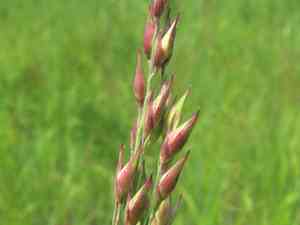
Switchgrass (Panicum virgatum)
Also known as: Wild redtop, Wand Panic Grass
Switchgrass (Panicum virgatum) is increasingly favored for its numerous advantages. This native North American perennial plays a vital role in capturing atmospheric carbon dioxide, aiding in climate change mitigation. Moreover, switchgrass serves as a valuable resource in the industrial sector, particularly for producing renewable biofuels like ethanol and butanol. Its environmental benefits and industrial applications make it a versatile and sustainable choice.
In This Article
Attributes of Switchgrass
Lifespan
Perennial
Plant Type
Grass
Plant Height
91 cm to 2.5 m
Spread
60 cm to 90 cm
Leaf Color
Green Blue Yellow Brown Red Purple
Flower Size
2.5 cm
Flower Color
Pink Green Purple Brown Yellow
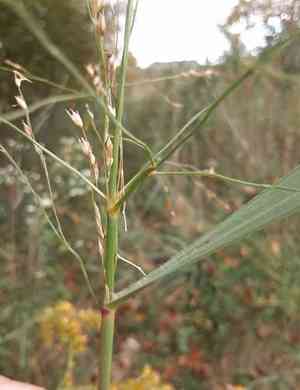
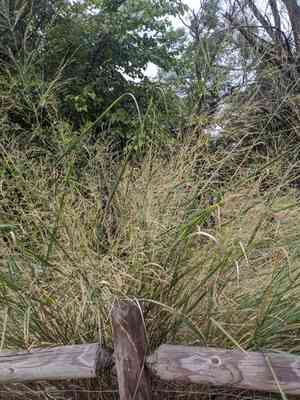
Images of Switchgrass
Quickly Identify Switchgrass
1
Columnar growth habit, forming dense foliage clumps.
2
1-foot tall spikes with feathery dark red anthers and purple stigmas.
3
Compact, grain-like seeds transitioning from pink/purple to tan.
4
Medium green leaves with bluish cast, turning yellow, orange, then tan.
5
Round, stiff stems, smooth and glabrous, 3-7 feet tall with minimal branching.
Scientific Classification of Switchgrass
Phylum
Vascular plants
Class
Monocotyledons
Order
Poales
Family
Grass
Genus
Panicgrasses
Species
Switchgrass
Planting and Growing of Switchgrass
Care Difficulty
Easy
Watering Schedule
Every 4 days
Sunlight Requirements
Full sun
Sunshine Duration
6-10 hours
Ideal Temperature
70-85℉
Soil Type
Potting Mix, Peat Mix
Soil pH
5.5-7.5
Fertilizer Type
Balanced
Pruning Season
Spring, Summer
Pruning Area
Branches, Leaves
Pruning Frequency
2 times a year
Repotting Season
Spring
Pot Type
Plastic, Ceramic
 How to Water Switchgrass?
Panicum virgatum, commonly known as switchgrass, thrives when its soil is kept consistently moist but not waterlogged. A good rule of thumb is to water until the top layer feels moist to the touch and the water slightly drains from the bottom, indicating saturation without excess.
What are the symptoms of an underwatered Switchgrass?
›
What should I do if my Switchgrass is not getting enough water?
›
What are the symptoms of an overwatered Switchgrass?
›
How to save an overwatered Switchgrass?
›
 What Are the Sunlight Requirements for Switchgrass?
Panicum virgatum performs optimally in full to partial sun environments. This level of light ensures the plant remains healthy and colorful, maximizing its photosynthetic potential for excellent growth and lush appearance.
More About Sunlight Requirements Techniques→
Optimal Sunlight Exposure
›
Solution to Maximize Sunlight
›
Benefits of Ideal Sunlight
›
 What Is the Ideal Temperature Range for Switchgrass?
The ideal temperature range for Panicum virgatum, commonly known as switchgrass, is between 70°F and 85°F. This range ensures optimal growth and development by providing the necessary conditions for photosynthesis and metabolic processes. Plants can efficiently carry out essential functions within this temperature span, leading to higher growth rates and better overall health.
 What Soil is Best for Switchgrass?
Panicum virgatum thrives best in well-draining soils. The roots require good aeration to prevent root rot, which sandy loam can perfectly provide, allowing water to pass through more readily while holding sufficient moisture for healthy growth. The plant benefits greatly from a soil rich in organic matter. The nutrients enhance growth and vigor, and loam soils with their natural fertility supply vital nutrients, supporting a robust root system. Switchgrass prefers a slightly acidic to neutral pH. A pH in the range of 5.5 to 7.5 ensures nutrient availability and optimizes plant metabolic processes, promoting healthy plant tissue and chlorophyll production.
 How to Fertilize Switchgrass?
For Panicum virgatum, the fertilizer amount should generally follow the guidelines provided by the manufacturer, but typically, you should apply a balanced liquid fertilizer at half the recommended strength. For slow-release fertilizers, follow the product's specified application rate, ensuring it is evenly distributed around the plant base without direct contact with the stems to prevent burning.
 How to Prune Switchgrass?
Begin by identifying the taller, older stems that may have become leggy or unkempt. Use sharp, clean pruning shears to cut these stems back close to the ground, ideally about 2-3 inches above the soil. This method encourages new, stronger growth. In spring, you'll notice fresh shoots emerging, giving the plant a rejuvenated appearance. Be sure to remove any dead or diseased portions of the plant to promote overall health.
 How to Propagate Switchgrass plant?
1
Collect seeds from mature Panicum virgatum plants in late summer or early autumn. Ensure that seeds are fully matured and dry before collecting. Harvest on a sunny day to avoid moisture content in the seed heads, which can cause mold during storage.
2
Fill seed trays with a well-draining, sterile potting mix. Lightly press the seeds into the soil surface and cover them with a thin layer of soil or vermiculite. Water the trays thoroughly to provide initial moisture for germination.
3
During early spring, divide established clumps by digging around the base of the plant and carefully lifting it. Use a sharp knife or spade to divide the clump into smaller sections, each with adequate roots and shoots. Replant the divisions immediately to prevent roots from drying out.
 How to Repot Switchgrass plant?
1
Look for signals like roots emerging through drainage holes or a noticeably confined root ball. Another indicator is slowed growth, even with adequate care. This means the plant needs more space and nutrient-rich soil for optimal growth.
2
Select a pot that's 2 to 4 inches larger in diameter than the current one. Ensure it has drainage holes to prevent waterlogging, which can lead to root rot. The extra space allows for root expansion, promoting healthier growth.
3
Opt for sandy loam with good drainage properties. This ensures proper root aeration and prevents water stagnation, minimizing the risk of root diseases. Such soil also provides essential nutrients required for vigorous development.
Toxicity
None
WARNING
The judgment on toxicity and danger is for reference only. We DO NOT GUARANTEE any accuracy of such judgment. Therefore, you SHALL NOT rely on such judgment. It is IMPORTANT TO SEEK PROFESSIONAL ADVICE in advance when necessary.
Learn More About Switchgrass Diseases
Anthracnose
Bacterial Leaf Spot
Bacterial Soft Rot
Bacterial Wilt
Cyst Nematode
Damping-off
Downy Mildew
Drought Stress
Fusarium Wilt
Gray Mold
Leaf Spot
Mosaic
Nutrient Deficiency
Nutrient Toxicity
Powdery Mildew
Root Rot
Root-knot Nematode
Rusts
Sooty Mold
Spider Mites
Temperature Stress
Thrips Damage
White Mold



