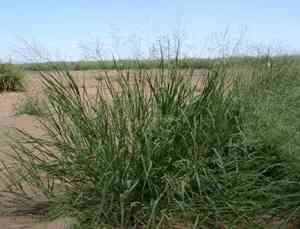
Klein grass (Panicum coloratum)
Also known as: White buffalo grass, Coolah grass, Torpedo grass
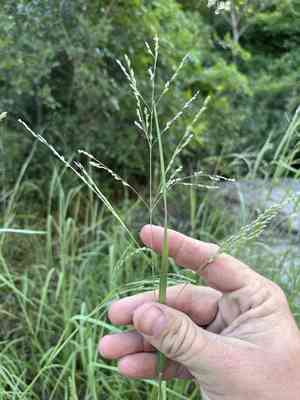
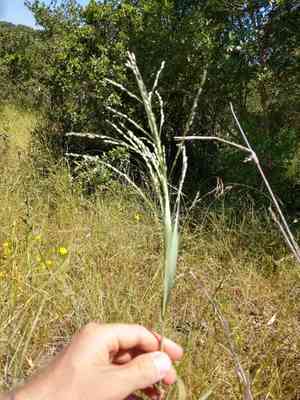
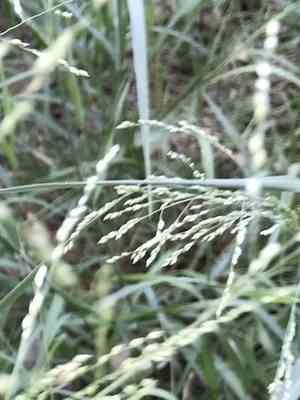
This perennial bunchgrass exhibits a range of physical appearances. Typically, it forms dense clumps and may have rhizomes. Its sturdy, upright stems can reach heights of up to 1.4 meters. The leaves are slender and range from 10 to 30 cm in length, displaying colors from green to a blue-green hue with a waxy texture. The flower clusters, or panicles, vary in length, and the spikelets can be shades of green or purple.
In This Article
Attributes of Klein grass
Lifespan
Perennial
Plant Type
Grass
Plant Height
50-150 cm
Spread
30-60 cm
Leaf Color
Green Blue
Flower Size
0.2-0.5 cm
Flower Color
Greenish to purplish
Images of Klein grass
Quickly Identify Klein grass
1
Kleingrass can be identified by its bluish-green foliage, tall and erect growth habit, and open, airy panicles that bear seeds. The leaves are typically long and narrow with a distinctive coloration.
Scientific Classification of Klein grass
Phylum
Vascular plants
Class
Monocotyledons
Order
Poales
Family
Grass
Genus
Panicgrasses
Species
Klein grass
Planting and Growing of Klein grass
Care Difficulty
Easy
Watering Schedule
Every 3 days
Sunlight Requirements
Full sun
Sunshine Duration
6-10 hours
Ideal Temperature
68-86℉
Soil Type
Potting Mix, Peat Mix
Soil pH
6.5-7.5
Fertilizer Type
Balanced
Pruning Season
Spring, Summer
Pruning Area
Branches, Leaves
Pruning Frequency
2 times a year
Repotting Season
Spring
Pot Type
Terracotta, Plastic
 How to Water Klein grass?
For Panicum coloratum, the ideal watering principle is to wet the soil thoroughly without drowning it. Aim for about 250 ml per watering session, enough to moisten the top few inches of soil. This ensures that the roots can access moisture without sitting in waterlogged soil.
What are the symptoms of an underwatered Klein grass?
›
What should I do if my Klein grass is not getting enough water?
›
What are the symptoms of an overwatered Klein grass?
›
How to save an overwatered Klein grass?
›
 What Are the Sunlight Requirements for Klein grass?
Full sun exposure ensures robust growth with vigorous foliage and vibrant color, ideal for maintaining the plant's health and promoting strong development.
How much sunlight does Panicum coloratum need daily?
›
What are ideal light conditions for healthy growth?
›
What are some solutions for achieving these light conditions?
›
 What Is the Ideal Temperature Range for Klein grass?
The ideal temperature range for growing Panicum coloratum is between 68°F and 86°F. This range supports optimal growth and allows the plant to effectively perform photosynthesis, ensuring robust development.
 What Soil is Best for Klein grass?
Panicum coloratum, commonly known as Kleingrass, prefers soil that drains well to prevent root rot caused by excess moisture. Well-drained soils help maintain a healthy root system by reducing the risk of fungal diseases. Loamy soil, rich in nutrients and organic matter, supports robust growth and a healthy plant structure. The presence of essential nutrients in the soil fosters optimal photosynthesis and strong seedling development. A soil pH range of 6.5 to 7.5 is ideal for Panicum coloratum. This range ensures the availability of key nutrients like nitrogen, phosphorus, and potassium, promoting healthy and sustained growth of the grass.
 How to Fertilize Klein grass?
Panicum coloratum requires moderate fertilization. For liquid fertilizers, apply at a rate of approximately 1/4 to 1/2 strength of standard concentrations. This ensures that the plant receives sufficient nutrients without risking nutrient burn. Solid fertilizers should be used sparingly—around 1/2 pound per 100 square feet per application is ideal, ensuring even distribution across the growing area.
 How to Prune Klein grass?
Begin by identifying any dead or diseased stems and cut them off at the base. Next, assess the canopy for overly dense areas and thin them out to improve air circulation, cutting back to a node. Regularly shape the edges to maintain a tidy appearance, ensuring you follow the natural shape of the grass. Prune in late Spring and early Summer for the best results. This timing allows the grass to recover and regenerate during the active growing season. Avoid pruning in extreme heat or cold to minimize the stress on the plant.
 How to Propagate Klein grass plant?
1
Fill the seed tray with a suitable potting mix. Lightly firm the surface, and water it before sowing the seeds. This ensures that the seeds remain in place and receive adequate moisture immediately after planting.
2
Distribute the seeds evenly across the prepared seed tray surface. Lightly cover them with a thin layer of soil, as this aids in moisture retention and allows light to reach the seeds for optimal germination.
3
When dividing mature plants, carefully dig around the root clump with a garden fork. Gently lift the plant and separate it into smaller sections, ensuring each has a healthy root system.
 How to Repot Klein grass plant?
1
Repot Panicum coloratum when growth appears stunted or roots are seen emerging from the drainage holes. Additionally, if the plant becomes too large for its current pot, it's time for a new home. Typically, these signs are most apparent during its active growing months in spring or summer, ensuring to give your plant the best start in its new pot.
2
Selecting a pot that's just one size larger than the current one allows roots to expand without drowning in excessive soil, ensuring proper moisture management. The new pot should have drainage holes to prevent waterlogging, which is crucial for this grass species, helping prevent root rot and promoting healthy growth.
3
Opt for a well-draining loamy soil, providing a balanced mix of clay, sand, and nutrient-rich organic matter. This composition prevents water retention while maintaining nutrient availability, crucial for supporting the vigorous growth of Panicum coloratum and helping it flourish in its new environment.



