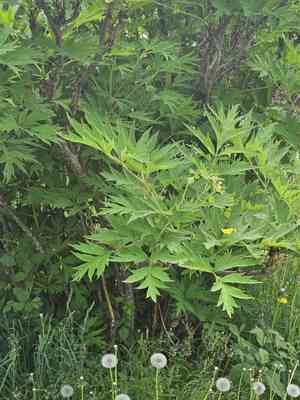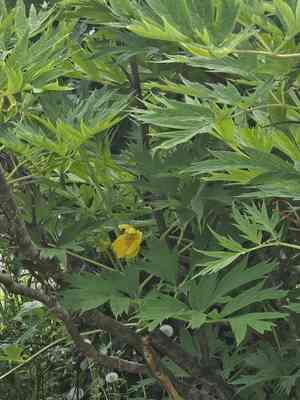
Tree peony(Paeonia suffruticosa)

Tree peony (Paeonia suffruticosa)

Also known as: Chinese tree peonies, Moutan, Chinese Moutan Peony

The tree peony (Paeonia suffruticosa) is a flowering shrub native to China. Despite its name, it resembles more of a bush than a tall tree. This plant holds significant cultural, literary, and artistic value in China and is frequently featured in esteemed paintings.

Attributes of Tree peony

Lifespan
Perennial
Plant Type
Shrub
Plant Height
91 cm to 1.5 m
Spread
90 cm to 1.2 m
Leaf Color
Green
Flower Size
15 cm to 30 cm
Flower Color
White Yellow Pink Gold

PlantJoy - Identify plants with a snap

Identify and diagnose plants, get toxicity alerts, and explore safety guides for all types of fungi.

Try for Free

Images of Tree peony

Tree peony(Paeonia suffruticosa)

Quickly Identify Tree peony

1
Biternate, deeply dissected leaves with 3-5 lobes and distinctive pale green and blue-green coloring.
2
Terminal, fragrant flowers in rose, pink, white, and yellow shades, up to 6 inches (15 cm) wide.
3
Slender cane-like stem branching into numerous twigs, 2 to 5 feet (60 to 150 cm) in length.
4
Fruit consists of 2-8 dry leathery follicles, initially green and fleshy, maturing to brown, 1.5-3 inches (4-7.6 cm) long.
5
75-100 violet-red flowers during peak season, each several inches across, on slender, brittle stems.

Scientific Classification of Tree peony

Phylum
Vascular plants
Class
Dicotyledons
Order
Saxifragales
Family
Peony
Genus
Peonies
Species
Tree peony

Planting and Growing of Tree peony

Care Difficulty
Moderate
Watering Schedule
Every 2 days
Sunlight Requirements
Full sun
Sunshine Duration
10-12 hours
Ideal Temperature
60-75℉
Soil Type
Potting Mix, Peat Mix
Soil pH
6.5-7.5
Fertilizer Type
Balanced
Pruning Season
Spring, Summer
Pruning Area
Branches, Leaves
Pruning Frequency
2 times a year
Repotting Season
Spring
Pot Type
Plastic, Terracotta

water icon How to Water Tree peony?

The Paeonia suffruticosa thrives when its soil is kept consistently moist, yet not overly saturated. Aim for around 1000 milliliters of water per session. Ensure the soil is evenly wet but not waterlogged, which can stifle the roots and lead to rot. It's vital to water deeply, allowing the moisture to reach the roots effectively without leaving standing water.
What are the symptoms of an underwatered Tree peony?
What should I do if my Tree peony is not getting enough water?
What are the symptoms of an overwatered Tree peony?
How to save an overwatered Tree peony?
More About Watering Techniques

sunlight icon What Are the Sunlight Requirements for Tree peony?

Sunlight Requirements: Full sun, Partial sun
Duration of light: 4 to 6 hours
For optimal growth, Paeonia suffruticosa requires full sun or partial sun conditions. The ideal light exposure allows the plant to receive enough solar energy for photosynthesis which ensures lush foliage and abundant flowering.
What is the ideal light exposure for Paeonia suffruticosa?
How can I ensure my tree peony receives its ideal light conditions?
What benefits does Paeonia suffruticosa gain under ideal light conditions?
More About Sunlight Requirements Techniques

temperature icon What Is the Ideal Temperature Range for Tree peony?

Ideal Temperature: 60 ~ 75℉
The ideal temperature range for Paeonia suffruticosa, commonly known as the Tree Peony, is between 60°F and 75°F. This range ensures optimal growth, flower development, and overall health of the plant. Within this temperature interval, the metabolic processes are most efficient, leading to stronger and healthier plants.

soil icon What Soil is Best for Tree peony?

Soil type: Loam, Sandy loam
Soil PH: 6.5 ~ 7.5
Paeonia suffruticosa thrives in well-drained soil, preventing waterlogging that can lead to root rot. Ensuring excellent drainage is key, as it helps maintain root health and promotes vigorous growth. This species benefits from soil rich in organic matter, which improves nutrient availability and soil structure. Incorporating compost or aged manure can enhance plant growth and lead to more vibrant blooms. Paeonia suffruticosa requires soil that retains moderate moisture. Consistent and even soil moisture supports healthy development and prevents the stress that leads to stunted growth and poor flowering. More About Soil

fertilize icon How to Fertilize Tree peony?

Fertilizer type: Balanced
For Paeonia suffruticosa, the fertilizer should be applied carefully to avoid damaging its sensitive roots. A balanced 10-10-10 or 5-10-5 fertilizer is generally recommended. Use approximately one tablespoon per plant for liquid fertilizer and follow the instructions for granular options. Always ensure the soil is moist before fertilizing. More About Fertilizing Techniques

prune icon How to Prune Tree peony?

Pruning Time: Spring, Autumn
Begin by removing any dead, damaged, or diseased wood. Trim back branches that cross or clutter the center of the plant. Focus on maintaining an open shape to allow sunlight and air circulation. Remove suckers that appear from grafted plants to preserve the desired shape and vigor. Finish by trimming back around 10-20% of the oldest stems at the base to encourage new growth. More About Pruning Techniques

propagate icon How to Propagate Tree peony plant?

Propagate Time: Spring, Early spring, Late spring, Early autumn
1
Begin by filling seed trays with a quality peat-based potting mix. Sow the peony seeds at a depth of about one inch. Mist the soil lightly with water and cover the trays with plastic wrap to maintain humidity. Keep the trays in a warm area with indirect light until germination occurs.
2
Using sharp pruning shears, cut a healthy stem from the existing plant during early spring. Remove any leaves from the lower half of the cutting. Dip the cut end in rooting hormone to enhance root development, then plant it in a pot with a suitable cutting mix.
3
Select a robust rootstock and a desirable cultivar for grafting in late spring. Make a clean cut on both rootstock and scion, ensuring a snug fit when joined. Bind the grafted section with grafting tape and keep the plant in a stable environment to promote successful fusion.
More About Propagating Techniques

repot icon How to Repot Tree peony plant?

Repotting frequency: Every 3-5 years
1
For paeonia suffruticosa, repotting is generally needed when you observe signs like reduced flowering, root-bound conditions, or declining growth. The plant will display a need for more space when its roots start showing at the surface or drainage holes, indicating it's time to upgrade the pot.
2
Choosing the right pot for repotting is crucial. Opt for a pot that's at least 2 inches wider in diameter than the current one to give Paeonia suffruticosa ample space to grow. Ensure it has good drainage holes to prevent waterlogging, which ensures healthy root development and avoids root rot.
3
Paeonia suffruticosa prefers a soil mix that's well-draining yet rich in nutrients. A loamy mix with added perlite or sand boosts drainage and texture. This combination facilitates sufficient aeration and moisture retention, fostering a robust root system and vibrant plant development.

PlantJoy - Identify plants with a snap

Find the best spots for them to optimize their health, simply using your phone.

Try for Free

Toxicity of Tree peony

Is Tree peony toxic to humans?

The tree peony exhibits a relatively mild level of toxicity to humans, primarily resulting from accidental ingestion of its stems, roots, and flowers. The compound paeonol found in these parts can induce poisoning. Upon consumption, individuals may suffer from a variety of symptoms, which can include gastrointestinal distress like nausea and vomiting, and skin irritations if there is extended exposure. It is essential for all individuals, particularly those interested in botanical diversity, to exercise caution and refrain from consuming any part of the tree peony, despite its attractive appearance, to avoid experiencing these adverse reactions.

Is Tree peony toxic to cat?

The tree peony presents a mild toxic risk for cats. If these animals inadvertently consume parts of the tree peony, including the stem, root, or flower, they may ingest paeonol, a substance that can induce poisoning. When cats are exposed to tree peony, they may exhibit clear signs of physical discomfort. While the symptoms can differ among individuals, they may compel cat owners to seek urgent veterinary assistance to prevent possible health issues. Should a cat display any abnormal behaviors or symptoms of illness after coming into contact with tree peony, it is crucial for their well-being to promptly visit a veterinary clinic.

Is Tree peony toxic to dog?

The plant species known as tree peony is recognized for having a mild toxicity level towards dogs. Canines can experience poisoning if they ingest various parts of the plant, including the stem, roots, or flowers. Accidental ingestion can occur when dogs unknowingly consume these parts while exploring or playing within regions where tree peonies grow. Following the consumption of tree peony, dogs may display symptoms such as gastrointestinal distress, vomiting, and diarrhea. The harmful compound causing these adverse effects is paeonol. If you suspect that your dog has ingested any part of the tree peony, it is crucial to seek prompt veterinary assistance to guarantee appropriate treatment and management of any potential poisoning.

Identify toxic plants for your safety

Learn which plants are harmful to you and your pets, and make informed choices for a safer home!

Try for Free
WARNING
The judgment on toxicity and danger is for reference only. We DO NOT GUARANTEE any accuracy of such judgment. Therefore, you SHALL NOT rely on such judgment. It is IMPORTANT TO SEEK PROFESSIONAL ADVICE in advance when necessary.
More About Toxic Techniques