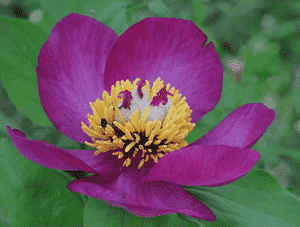
Paeonia Mascula(Paeonia mascula)

Paeonia Mascula (Paeonia mascula)

Also known as: Masculine Peony, the Wild Peony, or the Male Peony

Paeonia mascula is a species of peony native to Southeast Europe and parts of Asia. It is known for its large, showy flowers and has been cultivated for its ornamental value.

Attributes of Paeonia Mascula

Lifespan
Paeonia mascula, also known as the 'Male Peony', is a perennial. It regrows every spring and dies back every winter.
Plant Height
0.5 to 1 meter
Spread
0.5 to 1 meter
Leaf Color
Green
Flower Size
8 to 10 cm
Flower Color
Magenta to Ruby Red

ForwardPlant - Identify plants with a snap

Identify and diagnose plants, get toxicity alerts, and explore safety guides for all types of fungi.

Try for Free

Images of Paeonia Mascula

Paeonia Mascula(Paeonia mascula)

Quickly Identify Paeonia Mascula

1
Paeonia mascula can be identified by its large, bowl-shaped flowers that can be pink or red. The plant has compound, deeply divided leaves and a woody stem base.

Scientific Classification of Paeonia Mascula

Phylum
Angiosperms
Class
Eudicots
Order
Saxifragales
Family
Paeoniaceae
Genus
Paeonia

Planting and Growing of Paeonia Mascula

Care Difficulty
Moderate
Watering Schedule
Every 2 days
Sunlight Requirements
Full sun
Sunshine Duration
6-12 hours
Ideal Temperature
60-75℉
Soil Type
Potting Mix, Peat Mix
Soil pH
6.5-7.5
Fertilizer Type
Balanced
Pruning Season
Spring, Summer
Pruning Area
Branches, Leaves
Pruning Frequency
2 times a year
Repotting Season
Spring
Pot Type
Plastic, Ceramic

water icon How to Water Paeonia Mascula?

For Paeonia mascula, the recommended watering amount is around 500 ml per session. Ensure the soil is evenly moist but not waterlogged. Water should seep through the drainage holes to indicate sufficient watering, as the root system should not sit in excess water.
What are the symptoms of an underwatered Paeonia Mascula?
What should I do if my Paeonia Mascula is not getting enough water?
What are the symptoms of an overwatered Paeonia Mascula?
How to save an overwatered Paeonia Mascula?

sunlight icon What Are the Sunlight Requirements for Paeonia Mascula?

Sunlight Requirements: Full sun, Partial sun
Duration of light: 4 to 8 hours
Paeonia mascula's ideal range includes partial to full sun settings. Consistent sunlight exposure supports robust flowering and foliage, with a significant increase in bloom quantity and improved disease resistance due to healthy plant vigor.
What is the optimal amount of sunlight for Paeonia mascula?
How can Paeonia mascula be placed for optimal sunlight reception?
What benefits does ideal sunlight exposure provide to Paeonia mascula?
More About Sunlight Requirements Techniques

temperature icon What Is the Ideal Temperature Range for Paeonia Mascula?

Ideal Temperature: 60 ~ 75℉
For optimal growth, Paeonia mascula thrives best in temperatures ranging from 60 to 75°F. This temperature range allows the plant to photosynthesize efficiently, maintain healthy growth, and produce vibrant blooms. Maintaining consistent temperatures within this range will ensure the plant's physiological processes function at their best.

soil icon What Soil is Best for Paeonia Mascula?

Soil type: Loam, Sandy loam, Calcareous soil
Soil PH: 6.5 ~ 7.5
Paeonia mascula thrives in soil that provides excellent drainage. Ensuring the soil is well-drained prevents the roots from sitting in water, which helps avoid root rot and promotes healthy plant growth. Rich in organic matter, the soil provides essential nutrients that are vital for the growth and flowering of Peonia mascula. This kind of soil supports the plant's development and enhances its overall vigor. While drainage is crucial, the soil should also hold sufficient moisture, ensuring the plant stays hydrated between watering sessions. This balance is critical to support consistent growth without stressing the plant.

fertilize icon How to Fertilize Paeonia Mascula?

Fertilizer type: Balanced
For Paeonia mascula, it is best to start with a balanced 10-10-10 fertilizer. Use about 1/4 cup per plant when applying granules. For liquid fertilizer, mix at the recommended strength and apply evenly around the base of the plant.

prune icon How to Prune Paeonia Mascula?

Pruning Time: Spring, Autumn
Begin pruning Paeonia mascula by removing any dead, damaged, or diseased stems, cutting them back to healthy tissue. Trim back spent flowers to encourage new growth and prevent the plant from wasting energy on seed production. Ensure to use clean, sharp tools to make clean cuts and minimize damage to healthy tissue. For overgrown Paeonia mascula, selectively prune back the oldest stems at the base to rejuvenate the plant and encourage new growth. Aim to leave a balanced structure that allows light and air to penetrate the center of the plant. This process helps in managing excessive growth while maintaining the plant's natural form. More About Pruning Techniques

propagate icon How to Propagate Paeonia Mascula plant?

Propagate Time: Late spring, Early spring, Late autumn
1
Collect seeds from mature Paeonia mascula plants in late summer. Allow the seed pods to dry on the plant before harvesting to ensure full maturation, which increases the likelihood of successful germination.
2
Select healthy, established plants to take root cuttings from. Use a clean, sharp knife to cut sections of the root, ensuring each piece has at least one eye or bud. Always label the cuttings and plant them vertically.
3
Dig around the base of mature plants in late autumn. Gently lift the entire root ball, then use a clean spade or knife to divide it into sections. Each section should have at least three to five eyes to ensure new growth.
More About Propagating Techniques

repot icon How to Repot Paeonia Mascula plant?

Repotting frequency: Every 2-3 years
1
Look for signs like roots poking through drainage holes or soil that dries out quickly after watering. These are clear signals that your Paeonia mascula needs a new home with fresh soil to thrive.
2
Select a pot that is 2-4 inches larger in diameter than the current one. It should have drainage holes to prevent waterlogging, offering the peony a fresher environment to develop without root rot risks.
3
Opt for well-draining loamy soil. A good blend will accommodate the plant's roots while retaining moisture and nutrients necessary for its robust growth and bloom.

ForwardPlant - Identify plants with a snap

Find the best spots for them to optimize their health, simply using your phone.

Try for Free

Toxicity of Paeonia Mascula

Is Paeonia Mascula toxic to humans?

Wild peony is known to have a mild level of toxicity for humans, particularly through ingestion. Every part of the wild peony plant contains the toxic compound known as paeonol, which can result in poisoning if ingested. When individuals consume parts of the wild peony, they may experience various symptoms that are indicative of mild poisoning. Such symptoms can encompass gastrointestinal issues, including nausea, vomiting, and diarrhea. Furthermore, an individual may also suffer from dizziness, headaches, and skin irritation. Given that the entire plant is toxic, it is wise to exercise caution to avoid accidental ingestion, especially in areas where wild peony is found. It is crucial for individuals to acknowledge the inherent risks linked with wild peony and steer clear of consuming any portion of the plant.

Is Paeonia Mascula toxic to cat?

The wild peony is classified as having mild toxicity for cats. If a cat inadvertently consumes any portion of the wild peony, it may suffer from poisoning because the entire plant contains the harmful compound paeonol. Ingestion of any wild peony part can result in noticeable symptoms of physical distress, sickness, or pain in a cat. It is essential that the cat receives swift medical attention from a veterinary hospital to ensure it gets the appropriate treatment and care.

Is Paeonia Mascula toxic to dog?

Wild peony is recognized for its mild toxicity levels concerning dogs. Canines might unintentionally consume various parts of the wild peony plant, which could result in poisoning. The entirety of the plant—including its leaves, stems, flowers, and roots—harbors toxic substances that can negatively affect dogs if ingested. Following the consumption of any part of the wild peony, a dog may display symptoms such as gastrointestinal distress, vomiting, or diarrhea. It is imperative for dog owners to remain alert and prohibit their pets from accessing or consuming wild peony. In the event that a dog does ingest this plant, it is vital to obtain prompt veterinary assistance to ensure the best possible health outcomes for the animal.

Identify toxic plants for your safety

Learn which plants are harmful to you and your pets, and make informed choices for a safer home!

Try for Free
WARNING
The judgment on toxicity and danger is for reference only. We DO NOT GUARANTEE any accuracy of such judgment. Therefore, you SHALL NOT rely on such judgment. It is IMPORTANT TO SEEK PROFESSIONAL ADVICE in advance when necessary.
More About Toxic Techniques

