
Pachypodium succulentum (Pachypodium succulentum)
Also known as: Bottle Tree, Elephant's Foot
Pachypodium succulentum is a captivating succulent with a thick, spiny stem that functions as a water reservoir, adapting to arid environments. Its compact size, rarely exceeding 25 cm, is crowned with a tuft of dark green leaves during growing seasons. Bright yellow flowers bloom from the apex, adding a stark contrast to its fortress-like base, making this species a gem among xerophytic flora.
In This Article
Attributes of Pachypodium succulentum
Lifespan
Perennial
Plant Type
Succulent
Plant Height
Up to 60 cm (24 inches)
Spread
Approximately 30 cm (12 inches)
Leaf Color
Green
Flower Size
4-5 cm (1.5-2 inches)
Flower Color
Pink, White, Mauve
Images of Pachypodium succulentum

Quickly Identify Pachypodium succulentum
1
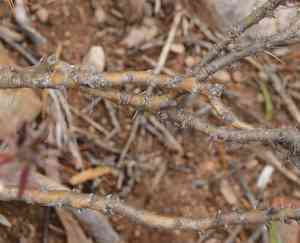
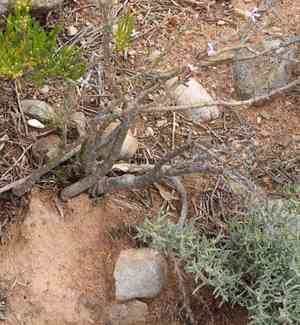
Identify Pachypodium succulentum by its swollen, bottle-shaped trunk, spiny stems, and narrow leaves. The plant produces tubular flowers that can be pink, white, or mauve in color.
Scientific Classification of Pachypodium succulentum
Phylum
Vascular plants
Class
Dicotyledons
Order
Gentianales
Family
Dogbane
Genus
Pachypodium
Species
Pachypodium succulentum
Planting and Growing of Pachypodium succulentum
Care Difficulty
Easy
Watering Schedule
Every day
Sunlight Requirements
Full sun
Sunshine Duration
6-10 hours
Ideal Temperature
68-77℉
Soil Type
Potting Mix, Peat Mix
Soil pH
6.5-7.5
Fertilizer Type
Balanced
Pruning Season
Spring, Summer
Pruning Area
Branches, Leaves
Pruning Frequency
2 times a year
Repotting Season
Spring
Pot Type
Terracotta, Plastic
 How to Water Pachypodium succulentum?
Pachypodium succulentum prefers to dry out completely between waterings. The ideal amount of water is approximately 250 ml, enough to moisten the soil but not so much that it becomes soggy. The key is to ensure that the top 2.5 cm of soil is dry before watering again, maintaining a balance between dryness and slight moisture to mimic its natural habitat.
What are the symptoms of an underwatered Pachypodium succulentum?
›
What should I do if my Pachypodium succulentum is not getting enough water?
›
What are the symptoms of an overwatered Pachypodium succulentum?
›
How to save an overwatered Pachypodium succulentum?
›
 What Are the Sunlight Requirements for Pachypodium succulentum?
Pachypodium succulentum thrives within a range of full to partial sun. Ideal lighting conditions enable robust growth, sturdy structure, and maintain the striking appearance of its foliage and flowers.
How much sunlight does Pachypodium succulentum require?
›
How can you provide ideal lighting for Pachypodium succulentum indoors?
›
What are the benefits of proper sunlight for Pachypodium succulentum?
›
 What Is the Ideal Temperature Range for Pachypodium succulentum?
The ideal temperature range for Pachypodium succulentum is between 68°F and 77°F. This range provides optimal conditions for growth, as it mimics the warm climates of its native habitats. Consistent temperatures within this range allow for steady metabolic processes, leading to healthy leaf and stem development.
 What Soil is Best for Pachypodium succulentum?
Pachypodium succulentum thrives in well-drained soil to prevent root rot. This requirement ensures excess water swiftly escapes, keeping roots healthy and oxygenated, thus promoting robust growth and averting fungal infections. This plant benefits from a nutrient-rich soil composition. The abundance of essential nutrients fosters vigorous growth, enabling Pachypodium to develop strong stems and glossy green leaves, thereby enhancing its ornamental value. Pachypodium succulentum requires soil with low salinity levels to flourish. Minimizing salt content avoids potential issues like leaf burn and growth stunting, ensuring optimal health and beauty.
 How to Fertilize Pachypodium succulentum?
For Pachypodium succulentum, the fertilizer amount should be moderate. Apply a diluted solution at half the recommended dose for regular houseplants. This slow-growing succulent doesn't require large quantities; excess can damage the roots and stunt growth.
 How to Prune Pachypodium succulentum?
Begin by inspecting your Pachypodium succulentum for any dead, diseased, or damaged branches. Using sharp, sterilized pruning shears, carefully remove these unwanted parts. Make clean cuts close to the base to promote healthy regrowth. This will help maintain the plant's unique shape and prevent potential infections.
 How to Propagate Pachypodium succulentum plant?
1
Soak Pachypodium succulentum seeds for 24 hours in lukewarm water to help soften the seed coat. This can enhance germination rates by making it easier for the seedling to emerge.
2
Use a sterile scalpel to take cuttings from a healthy Pachypodium succulentum plant. Cuttings should be around 4 to 6 inches long, and it's important to let the cut end dry and callous over for a few days before planting.
3
Plant the prepared seeds or calloused cuttings in well-draining cactus or succulent soil mix. Place them in a bright location with indirect sunlight, and water sparingly to avoid rot. Ensure environmental conditions remain warm and humid.
 How to Repot Pachypodium succulentum plant?
1
Pachypodium succulentum should be repotted when you notice its roots outgrowing the current pot, typically every 2-3 years. Additionally, yellowing leaves or stunted growth can be signs that it's time for a change. Ensure to repot during the growing seasons, preferably in spring or summer, to avoid stressing the plant.
2
Select a pot that is slightly larger than the current one with drainage holes. A shallow, wide container is ideal as it helps prevent water from pooling around the roots, reducing the risk of root rot. The material of the pot should allow for breathability; terracotta is an excellent choice. This setup ensures optimal growth conditions for your Pachypodium succulentum.
3
Use a well-draining soil mix, such as a cactus or succulent mix. This type of soil helps prevent excess moisture and reduces the risk of root rot. Incorporating materials like perlite or pumice can further enhance drainage. Fast-draining soil supports the plant's resilience and overall health, promoting robust growth.
Toxicity
Ingestion or contact with sap
WARNING
The judgment on toxicity and danger is for reference only. We DO NOT GUARANTEE any accuracy of such judgment. Therefore, you SHALL NOT rely on such judgment. It is IMPORTANT TO SEEK PROFESSIONAL ADVICE in advance when necessary.



