
Madagascar palm (Pachypodium lamerei)
Also known as: Madagascar Palm
Madagascar palm (Pachypodium lamerei) is a stem succulent native to Madagascar. The madagascar palm is one of the most commonly cultivated pachypodiums. Despite being called the madagascar palm, it is not a true palm species. This species is most often cultivated in warm climates with copious amounts of sunlight. It cannot tolerate hard frosts. Madagascar palm can be grown as a houseplant in fast-draining soil in full sunlight.
Attributes of Madagascar palm
Images of Madagascar palm
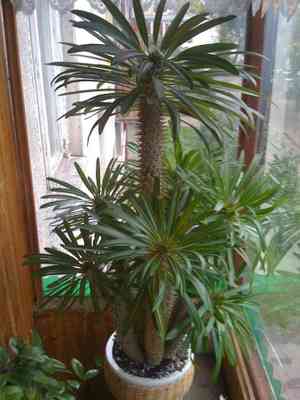
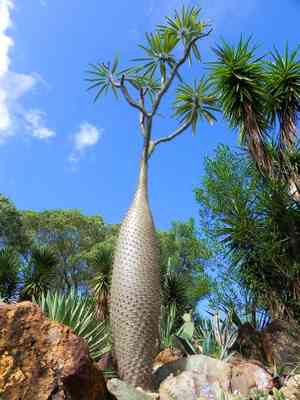
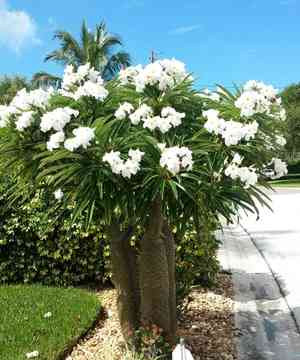
Quickly Identify Madagascar palm
Scientific Classification of Madagascar palm
Toxicity of Madagascar palm
Is Madagascar palm toxic to humans?
The Madagascar palm possesses toxic characteristics that can be detrimental to human health if touched or consumed. Typically, the resulting effects are mild. The source of its toxicity lies in the sap that courses through the plant, encompassing the trunk and the sharp spines. Contact between the sap and skin, alongside any punctures inflicted by the spikes, or ingestion of the sap, can lead to discomfort, numbness, and irritation. These plants are commonly favored as decorative houseplants, making them easily accessible to children, who may inadvertently touch the sap.
Is Madagascar palm toxic to cat?
The Madagascar palm poses a toxic threat to cats. If a cat consumes any portion of the Madagascar palm, it risks poisoning because every part of this plant harbors toxic components. Common routes of poisoning for cats include biting or eating the leaves or stems. Symptoms associated with poisoning can manifest as physical discomfort in cats and may differ in intensity. Should a cat display any abnormal behaviors or indications of illness after interacting with the Madagascar palm, it is crucial to obtain prompt veterinary assistance to guarantee their safety and swift treatment.
Is Madagascar palm toxic to dog?
The Madagascar palm is deemed toxic to dogs. If dogs ingest any part of this plant, they may suffer from poisoning, as every section possesses toxic characteristics. Symptoms in dogs that consume Madagascar palm can include vomiting, diarrhea, lethargy, or more critical reactions depending on the quantity ingested. It is essential for dog owners to restrict access to Madagascar palm and closely supervise their pets in areas where this plant may be found. Should a dog consume Madagascar palm, it is vital to seek prompt veterinary assistance to secure the best possible prognosis for the affected pet.

