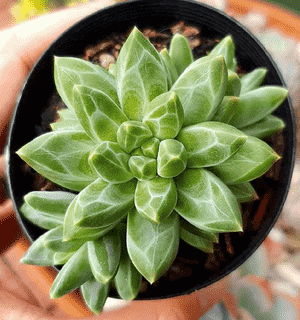
Little jewel (Pachyphytum compactum)
Also known as: Little Jewel, Diamond Pachyphytum
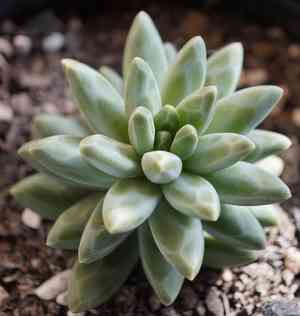
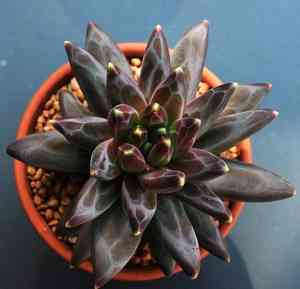
The surface of a little jewel leaf has irregular white ribs that feel like a stylish geometric patchwork. When the plant is fully displaying its vibrant colors, its green leaves turn yellowish-orange and its leaf tips turn red, with a jelly-like translucency.
In This Article
Attributes of Little jewel
Lifespan
Perennial
Plant Type
Succulent
Plant Height
15 cm
Spread
10 cm
Leaf Color
Green to bluish-green, sometimes with red tips
Flower Size
0.5 to 1 inch (1 to 2.5 cm)
Flower Color
Yellow
Images of Little jewel
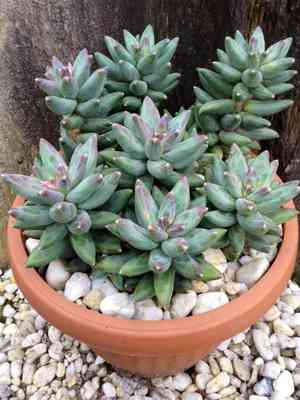
Quickly Identify Little jewel
1
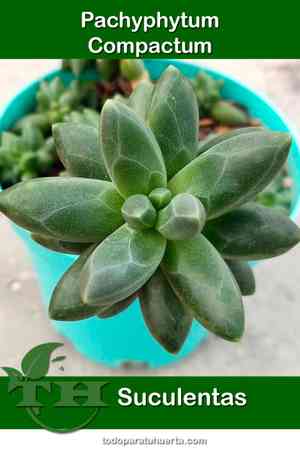
Rosettes with gray-green leaves and violet tinge
2
Distinct rectangular leaf shape with straight imprints
3
Late spring raceme with pale yellow and pinkish-orange flowers
4
Flower sepals that fade to blue-green at tips
5
Stout, branched stems up to 6 inches (15 cm) long
Scientific Classification of Little jewel
Phylum
Vascular plants
Class
Dicotyledons
Order
Saxifragales
Family
Stonecrop
Genus
Pachyphytum
Species
Little jewel
Planting and Growing of Little jewel
Care Difficulty
Easy
Watering Schedule
Every 2 days
Sunlight Requirements
Full sun
Sunshine Duration
6-10 hours
Ideal Temperature
65-75℉
Soil Type
Potting Mix, Peat Mix
Soil pH
6.5-7.5
Fertilizer Type
Balanced
Pruning Season
Spring, Summer
Pruning Area
Branches, Leaves
Pruning Frequency
2 times a year
Repotting Season
Spring
Pot Type
Plastic, Ceramic
 How to Water Little jewel?
Pachyphytum compactum, commonly called the 'Little Jewel', requires careful watering. Use only about 100ml, ensuring the soil is well-drained and avoid letting water pool around the roots. Water until the soil is moist, but not drenched.
More About Watering Techniques→
What are the symptoms of an underwatered Little jewel?
›
What should I do if my Little jewel is not getting enough water?
›
What are the symptoms of an overwatered Little jewel?
›
How to save an overwatered Little jewel?
›
 What Are the Sunlight Requirements for Little jewel?
Partial to full sunlight for 4-6 hours a day is ideal. This light exposure range ensures Pachyphytum compactum maintains its structural integrity and vibrant green and pink hues, enhancing overall vitality and beauty.
More About Sunlight Requirements Techniques→
How much sun does it need?
›
Can it survive in shade?
›
How to achieve ideal light conditions?
›
 What Is the Ideal Temperature Range for Little jewel?
The ideal temperature range for Pachyphytum compactum is between 65°F and 75°F. This temperature range supports optimal photosynthesis and growth, ensuring the plant has vibrant colors and remains healthy. Maintaining temperatures within this range will prevent stress on the plant, allowing it to thrive in various indoor environments.
 What Soil is Best for Little jewel?
Pachyphytum compactum requires well-draining soil to prevent root rot. A mix of sandy soil and loam ensures water does not linger around the roots, providing aeration. This soil condition helps the plant thrive by preventing waterlogging and promoting healthy root growth. Despite its succulent nature, Pachyphytum compactum benefits from a nutrient-rich soil. Adding organic matter, like compost, can enhance nutrient availability. This supports robust growth and vibrant foliage. Maintaining a pH between 6.5 and 7.5 allows Pachyphytum compactum to access nutrients efficiently. Soil that is too acidic or alkaline can impede nutrient uptake, affecting the plant's growth and health.
More About Soil→
 How to Fertilize Little jewel?
For Pachyphytum compactum, use a balanced liquid fertilizer diluted to half strength. A little goes a long way for succulents, so avoid heavy-handed application. For slow-release fertilizers, small amounts applied sparingly in spring and summer will suffice. Avoid overloading the soil with nutrients, as Pachyphytum prefers a lean diet.
 How to Prune Little jewel?
Begin your pruning by removing any dead or yellowing leaves, as these can harbor pests and diseases. Gently pull them away from the stem, being careful not to damage healthy tissue. If your Pachyphytum compactum has elongated stems, trim them back to encourage a more compact growth. Cut just above a leaf node for best results. If you aim to propagate, cut a healthy stem with a few leaves and let it callous over before planting in well-draining soil. This not only tidies up the plant but can give you a new one.
 How to Propagate Little jewel plant?
1
Select healthy, mature leaves from the base of the plant to use for cuttings. Avoid damaged or diseased leaves as they are less likely to root successfully.
2
Use a well-draining succulent soil mix. This helps prevent water retention that may cause rot in the cuttings. You can add perlite or sand to improve drainage.
3
For seeds, lightly press them into the soil without covering them deeply. For cuttings, allow leaves to dry for a day and then place them on the soil surface, ensuring good contact with the soil.
 How to Repot Little jewel plant?
1
Repot Pachyphytum compactum when you notice roots growing out of the drainage holes or when the plant has clearly outgrown its container. Another signal is the slowing of growth, indicating it's root-bound. Avoid repotting in winter as the plant is in its dormant phase.
2
Select a pot that is about 1-2 inches larger in diameter than the current one. Opt for a terracotta pot as it allows the soil to dry out more efficiently, which is crucial for preventing root rot in succulents. Ensure the pot has ample drainage holes.
3
Use a well-draining cactus mix or a blend of potting soil with added perlite or coarse sand. This soil type helps mimic the plant's natural environment, ensuring that the roots receive adequate aeration and less risk of overwatering.



