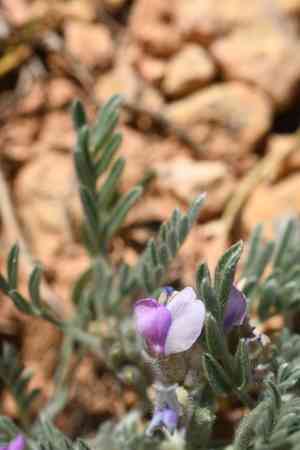
Mountain oxytrope (Oxytropis oreophila)
Also known as: Mountain Crazyweed
Mountain oxytrope (Oxytropis spp.) exemplifies high-elevation resilience with several distinct adaptations. The plant's compact, cushion-like structure minimizes exposure to severe winds and cold. Its deep root system ensures access to water and nutrients in rocky, nutrient-poor soils. The tough, small leaves reduce water loss and withstand harsh conditions, and a hairy surface protects against UV radiation and moisture loss. Additionally, mountain oxytrope's ability to fix nitrogen through symbiosis with bacteria allows it to thrive in nutrient-deficient environments, making it well-suited for survival in alpine meadows.
In This Article
Attributes of Mountain oxytrope
Lifespan
Perennial
Plant Type
Herb
Plant Height
10-30 cm
Spread
15-25 cm
Leaf Color
Green
Flower Size
1-2 cm
Flower Color
Purple, Blue
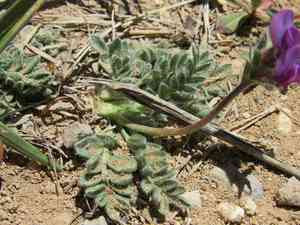
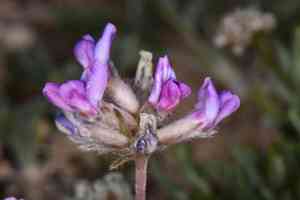
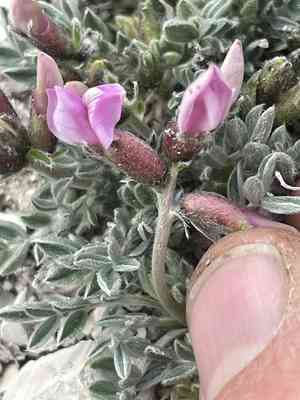
Images of Mountain oxytrope
Quickly Identify Mountain oxytrope
1
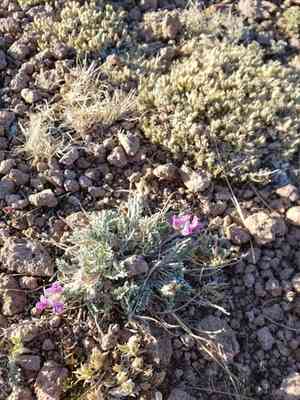
Identify Oxytropis oreophila by its compact, tufted growth habit, pinnate leaves with numerous leaflets, and purple to bluish flowers clustered on an erect stalk. The plant often forms dense mats on rocky soils.
Scientific Classification of Mountain oxytrope
Phylum
Vascular plants
Class
Dicotyledons
Order
Fabales
Family
Legume
Genus
Locoweeds
Species
Mountain oxytrope
Planting and Growing of Mountain oxytrope
Care Difficulty
Hard
Watering Schedule
Every 2 days
Sunlight Requirements
Full sun
Sunshine Duration
6-10 hours
Ideal Temperature
50-68℉
Soil Type
Potting Mix, Peat Mix
Soil pH
6.5-7.5
Fertilizer Type
Balanced
Pruning Season
Spring, Summer
Pruning Area
Branches, Leaves
Pruning Frequency
2 times a year
Repotting Season
Spring
Pot Type
Plastic, Ceramic
 How to Water Mountain oxytrope?
When watering Oxytropis oreophila, aim for about 250 milliliters of water each time. Ensure that the soil is sufficiently moistened without becoming waterlogged. The goal is to soak the root zone thoroughly while allowing excess water to drain away.
What are the symptoms of an underwatered Mountain oxytrope?
›
What should I do if my Mountain oxytrope is not getting enough water?
›
What are the symptoms of an overwatered Mountain oxytrope?
›
How to save an overwatered Mountain oxytrope?
›
 What Are the Sunlight Requirements for Mountain oxytrope?
Oxytropis oreophila prospers in environments where it enjoys partial to full sun, ideally within a 6 to 8-hour light exposure window. This ensures robust photosynthesis and contributes significantly to its blooming potential and overall vigor.
Optimal Light Duration
›
Techniques to Ensure Ideal Lighting
›
Benefits of Ideal Lighting
›
 What Is the Ideal Temperature Range for Mountain oxytrope?
The ideal temperature range for Oxytropis oreophila lies between 50°F and 68°F. Within this range, the plant shows optimal growth and vitality due to the balance between metabolic activities and photosynthesis. Maintaining these temperatures ensures that the plant remains stress-free and can focus its energy on healthy growth and flowering.
 What Soil is Best for Mountain oxytrope?
Oxytropis oreophila thrives in well-drained soils, which prevent waterlogging and root rot. This ensures the roots access necessary oxygen, encouraging healthy growth and robust blooming. This plant prefers soils that are rich in nutrients, supporting its growth and vivid flower production. A nutrient-rich medium provides ample sustenance, helping the plant resist diseases and stress. Oxytropis oreophila benefits from soils that retain moderate moisture, maintaining hydration without compromising drainage. This balance is crucial for steady nutrient uptake and prevention of dehydration.
 How to Fertilize Mountain oxytrope?
Oxytropis oreophila, known for its robust nature, requires a moderate amount of fertilizer. When using liquid fertilizer, apply about 20-30 ml diluted in water per plant per application. For slow-release fertilizer, use approximately 30 grams per plant per application. Ensure not to overwhelm the plant to prevent root damage.
 How to Prune Mountain oxytrope?
Prune Oxytropis oreophila in early spring or late summer to encourage robust growth and flowering. Avoid harsh weather conditions that might stress the plant further. Remove faded flowers after blooming to direct the plant’s energy towards root and leaf development. Use clean cuts to prevent plant stress and fungal diseases.
More About Pruning Techniques→
 How to Propagate Mountain oxytrope plant?
1
Collect mature seeds and clean them of any debris or pulp. Soak the seeds in water for 24 hours to soften the seed coat, which facilitates better germination when planted.
2
Fill a seed tray with a light, well-draining potting mix. Place seeds on the surface and cover them lightly with a thin layer of soil. This allows sunlight to reach the seeds, which is essential for germination.
3
Select healthy stems with noticeable growth nodes. Cut a 4-6 inch section below a node. Remove lower leaves and dip the cut end into rooting hormone to encourage root development once planted.
 How to Repot Mountain oxytrope plant?
1
Look out for overcrowded roots or when the plant appears stunted; these are clear signals. Ideally, repot in early spring before the active growth phase to minimize stress.
2
Choose a pot that's about 2 inches larger in diameter than the current one. A pot with good drainage ensures excess water doesn't cause root rot, keeping your plant healthy and thriving.
3
Select a well-draining, gritty soil mix to mimic its natural rocky habitat and prevent waterlogging. This prevents root rot and promotes healthy growth.
Toxicity
Ingestion
WARNING
The judgment on toxicity and danger is for reference only. We DO NOT GUARANTEE any accuracy of such judgment. Therefore, you SHALL NOT rely on such judgment. It is IMPORTANT TO SEEK PROFESSIONAL ADVICE in advance when necessary.



