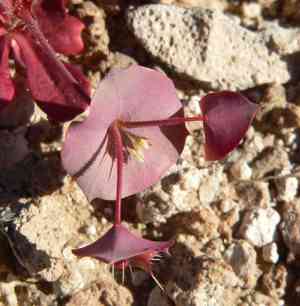
Roundleaf oxytheca (Oxytheca perfoliata)
Also known as: Round-leaf puncturebract
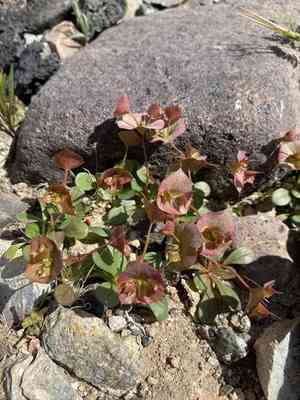
Roundleaf oxytheca can be recognized by its perfoliate leaf arrangement, where the stem seems to pass through the center of the leaves. This characteristic, along with its slender structure and small, clustered flowers, helps it thrive in open, rocky areas by maximizing sunlight exposure and conserving water. Its unique leaf configuration is both a key identifying feature and an adaptation for surviving in arid conditions.
In This Article
Attributes of Roundleaf oxytheca
Lifespan
Perennial
Plant Type
Herb
Plant Height
Up to 30 cm
Spread
N/A
Leaf Color
Green
Flower Size
Approximately 0.5 cm
Flower Color
White to pink
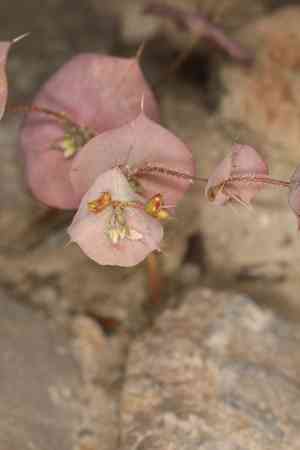
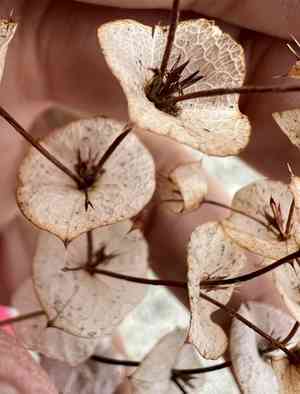
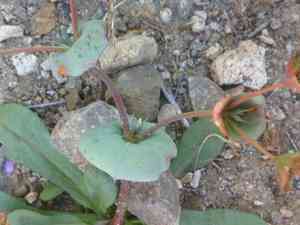
Images of Roundleaf oxytheca
Quickly Identify Roundleaf oxytheca
1
Identify Oxytheca perfoliata by its distinct perfoliate leaves that appear like small, circular discs encircling the stem. The plant produces small, white to pinkish flowers clustered in the center of the leaf discs.
Scientific Classification of Roundleaf oxytheca
Phylum
Vascular plants
Class
Dicotyledons
Order
Caryophyllales
Family
Buckwheat
Genus
Oxytheca
Species
Roundleaf oxytheca
Planting and Growing of Roundleaf oxytheca
Care Difficulty
Moderate
Watering Schedule
Every 2 days
Sunlight Requirements
Full sun
Sunshine Duration
4-6 hours
Ideal Temperature
65-75℉
Soil Type
Potting Mix, Peat Mix
Soil pH
6.5-7.5
Fertilizer Type
Balanced
Pruning Season
Spring, Summer
Pruning Area
Branches, Leaves
Pruning Frequency
2 times a year
Repotting Season
Spring
Pot Type
Plastic, Ceramic
 How to Water Roundleaf oxytheca?
For Oxytheca perfoliata, water until the soil is moist but not soggy. It thrives in medium moisture conditions, so about 200 ml per session is optimal. Make sure the water penetrates to the roots without leaving standing water on the surface.
What are the symptoms of an underwatered Roundleaf oxytheca?
›
What should I do if my Roundleaf oxytheca is not getting enough water?
›
What are the symptoms of an overwatered Roundleaf oxytheca?
›
How to save an overwatered Roundleaf oxytheca?
›
 What Are the Sunlight Requirements for Roundleaf oxytheca?
Oxytheca perfoliata thrives in full sun to partial sun environments. Ideal lighting encourages healthy foliage and robust growth, utilising available sunlight to enhance photosynthesis without overwhelming the plant's systems.
Optimal Sunlight Exposure
›
Avoiding Overexposure
›
Benefits of Ideal Lighting
›
 What Is the Ideal Temperature Range for Roundleaf oxytheca?
Oxytheca perfoliata thrives best when kept in a temperature range of 65 to 75°F. This range provides the optimal conditions for photosynthesis and nutrient absorption, ensuring healthy growth and development. Maintaining this ideal temperature range helps to promote vibrant foliage and strong structural growth, essential for the plant's overall vitality.
 What Soil is Best for Roundleaf oxytheca?
Oxytheca perfoliata thrives in well-drained soils, as it prevents waterlogging, ensuring that the roots do not suffocate. Proper drainage helps in promoting healthy root systems, which in turn supports vibrant plant growth and avoids diseases related to excessive moisture. This plant prefers a moderate nutrient level in the soil to ensure balanced growth. Sandy and calcareous soils often provide a nutrient balance that suits the plant. Nutrients like nitrogen, phosphorus, and potassium are key to robust foliage and strong flowering in Oxytheca perfoliata. A soil pH ranging from 6.5 to 7.5 is ideal, promoting effective nutrient uptake. Maintaining this pH range supports the plant's metabolic processes, leading to improved growth rates and flowering potential.
 How to Fertilize Roundleaf oxytheca?
Oxytheca perfoliata benefits from a modest amount of fertilizer. Use a balanced liquid fertilizer, diluted to half-strength, and apply approximately 20 ml per plant. For slow-release fertilizers, follow the package instructions but aim for about 5 grams per plant. This ensures that the plant receives adequate nutrients for growth without the risk of over-fertilization.
 How to Prune Roundleaf oxytheca?
Start by identifying any dead or damaged stems. These should be removed first, as they can harbor pests and diseases if left on the plant. This step is essential for maintaining overall plant health. After removing dead stems, focus on trimming any excess growth that affects the plant's shape or hinders airflow. Proper airflow reduces the risk of fungal diseases and helps the plant thrive.
More About Pruning Techniques→
 How to Propagate Roundleaf oxytheca plant?
1
Fill the seed tray with a damp, fine potting mix, leaving about half an inch from the top. This will ensure good soil contact with the seeds and accommodate their growth until transplantation.
2
Scatter the seeds evenly on the soil surface and lightly press them into the soil, barely covering them. Oxytheca perfoliata seeds require light for germination, so ensure they are not buried deeply.
3
Mist the seeds gently to avoid displacement, maintaining consistent moisture without waterlogging. Cover with a clear plastic lid or plastic wrap to create a humid micro-environment, removing once seedlings appear.
 How to Repot Roundleaf oxytheca plant?
1
Look for signs like slowed growth or roots coming out the drainage holes. Oxytheca perfoliata tends to like a bit of space, so if it's starting to outgrow its home, it's time to give it some new digs, ideally before the roots get too cramped.
2
Opt for a pot that's slightly larger, ensuring it has drainage holes. The perfect pot allows enough space for growth but not so much that the soil stays soggy, preventing root rot and maintaining a healthy plant.
3
Prioritize a well-draining, sandy mix to mimic its natural habitat. This type of soil protects against overwatering by allowing excess moisture to escape quickly, maintaining the root health of Oxytheca perfoliata.
Learn More About Roundleaf oxytheca Diseases
Bacterial Leaf Spot
Bacterial Soft Rot
Bacterial Wilt
Chemical Injury
Damping-off
Downy Mildew
Drought Stress
Fusarium Wilt
Gray Mold
Leaf Curl
Leaf Spot
Mosaic
Nutrient Deficiency
Nutrient Toxicity
Powdery Mildew
Root Rot
Root-knot Nematode
Rusts
Sooty Mold
Spider Mites
Temperature Stress
Thrips Damage
White Mold


