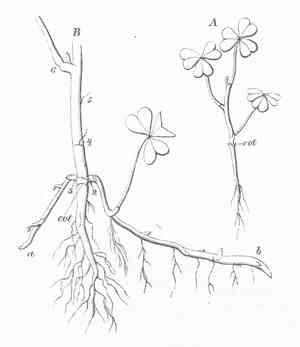
yellow woodsorrel (Oxalis stricta)
Also known as: sourgrass, Upright Yellow-sorrel, slender yellow woodsorrel
Yellow woodsorrel (Oxalis stricta) is a small, herbaceous plant known for its trifoliate, heart-shaped leaves, which resemble clover. Its upright stems give it a vertical growth habit. The plant produces bright yellow, five-petaled flowers that bloom from spring through fall. Adaptable to a variety of environments, it thrives particularly well in disturbed soils and can spread rapidly. While resilient, it favors well-lit locations with plenty of sunlight.
In This Article
Attributes of yellow woodsorrel
Lifespan
Perennial
Plant Type
Herb
Plant Height
Up to 50 cm (20 inches)
Spread
Diameter varies as it spreads primarily through seed and rhizomes, often covering large areas
Leaf Color
Bright green
Flower Size
About 1 cm (0.4 inches)
Flower Color
Bright yellow
Images of yellow woodsorrel
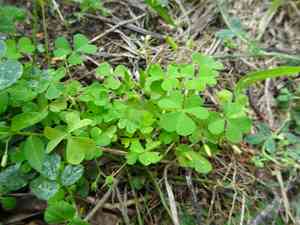
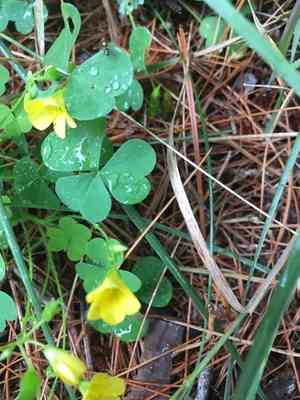
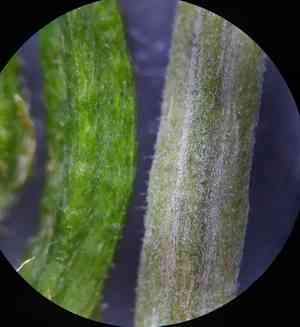
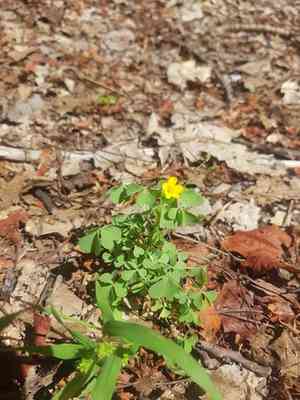
Quickly Identify yellow woodsorrel
1
Heart-shaped trifoliate leaves resembling clover
2
Bright yellow flowers forming cup-like shape
3
Stems reaching up to 15 inches (38 cm)
4
Explosive seed dispersal from cylindrical pods
5
Distinctive star-like arrangement of flower petals
Scientific Classification of yellow woodsorrel
Phylum
Vascular plants
Class
Dicotyledons
Order
Oxalidales
Family
Wood sorrel
Genus
Wood sorrels
Species
yellow woodsorrel
Planting and Growing of yellow woodsorrel
Care Difficulty
Easy
Watering Schedule
Every 4 days
Sunlight Requirements
Partial sun
Sunshine Duration
6-10 hours
Ideal Temperature
60-75℉
Soil Type
Potting Mix, Peat Mix
Soil pH
6.5-7.5
Fertilizer Type
Balanced
Pruning Season
Spring, Summer
Pruning Area
Branches, Leaves
Pruning Frequency
2 times a year
Repotting Season
Spring
Pot Type
Plastic, Ceramic
 How to Water yellow woodsorrel?
When watering Oxalis stricta, aim to thoroughly saturate the soil with approximately 100 ml of water. The goal is to ensure the soil is moist but not waterlogged, simulating the plant's natural environment.
What are the symptoms of an underwatered yellow woodsorrel?
›
What should I do if my yellow woodsorrel is not getting enough water?
›
What are the symptoms of an overwatered yellow woodsorrel?
›
How to save an overwatered yellow woodsorrel?
›
 What Are the Sunlight Requirements for yellow woodsorrel?
Oxalis stricta benefits from partial to full sun exposure. This balance of light fosters optimal growth, ensuring that the plant receives sufficient energy without risking sunburn.
What amount of sunlight is ideal for Oxalis stricta?
›
What solutions can be adopted for ideal lighting conditions?
›
What are the benefits of providing ideal lighting conditions?
›
 What Is the Ideal Temperature Range for yellow woodsorrel?
Maintaining the ideal temperature range of 60-75°F is crucial for the optimal growth of Oxalis stricta. This range ensures that the plant can carry out photosynthesis efficiently and maintain metabolic processes without stress, leading to vibrant foliage and healthy growth.
 What Soil is Best for yellow woodsorrel?
Oxalis stricta thrives in soil with excellent drainage. Well-drained soil prevents waterlogging, which can lead to root rot and other related diseases. Selecting soil that drains effectively ensures healthy root development and overall plant vitality. This plant benefits from soil that is rich in organic matter. Fertile soil provides essential nutrients that enhance growth and promote robust foliage. Incorporating compost or organic fertilizers into the soil can significantly improve the plant's health. Adequate aeration in the soil is crucial for Oxalis stricta. Aerated soil allows roots to access oxygen, enhancing nutrient uptake and promoting healthy plant growth. Soil with a light texture encourages root expansion and prevents compaction.
 How to Fertilize yellow woodsorrel?
For Oxalis stricta, use a balanced fertilizer at a recommended dilution of half the standard rate. Plants generally respond well to a mild feeding, particularly during active growth periods in spring and summer.
 How to Prune yellow woodsorrel?
Look for yellowing leaves, overly long stems, and flowers that have faded. These are your primary targets for pruning as their removal encourages new growth and helps maintain the plant’s energy balance. Start by cutting back any dead or discolored foliage using a clean, precise snip. Work from the top of the plant down, making sure to follow the natural shape of the Oxalis stricta, and dispose of the pruned material to avoid any disease.
 How to Propagate yellow woodsorrel plant?
1
Collect mature seeds from established plants. Soak them in water for 24 hours to soften the seed coat, which enhances germination rates. Properly dry the seeds after soaking for better handling.
2
Select healthy stems from the parent plant and cut below a node using sterilized scissors. Remove the lower leaves to minimize moisture loss and promote root development in the planted section.
3
Prepare a well-draining soil mix, incorporating peat moss and perlite to enhance aeration and moisture retention. Fill the seed trays or pots uniformly, ensuring the soil is loosely packed to facilitate root growth.
 How to Repot yellow woodsorrel plant?
1
Repot Oxalis stricta when the plant outgrows its container, which is noticeable when roots protrude from drainage holes, or the soil dries out too quickly. Repotting is ideally done in spring or summer, allowing the plant to recover during warm conditions.
2
Select a pot that is one size larger and has ample drainage holes, preventing water accumulation. A slightly larger pot allows room for growth, while proper drainage keeps roots healthy and prevents root rot by avoiding waterlogged soil.
3
Opt for well-draining sandy soil to mimic Oxalis stricta's natural habitat. This soil type ensures excess water drains away quickly, thus fostering a healthy root environment that supports robust growth and prevents moisture-related issues.
Toxicity
Ingestion
WARNING
The judgment on toxicity and danger is for reference only. We DO NOT GUARANTEE any accuracy of such judgment. Therefore, you SHALL NOT rely on such judgment. It is IMPORTANT TO SEEK PROFESSIONAL ADVICE in advance when necessary.
Learn More About yellow woodsorrel Diseases
Anthracnose
Bacterial Leaf Spot
Bacterial Soft Rot
Chemical Injury
Damping-off
Downy Mildew
Drought Stress
Fusarium Wilt
Gray Mold
Leaf Curl
Leaf Spot
Mosaic
Nutrient Deficiency
Nutrient Toxicity
Powdery Mildew
Root Rot
Root-knot Nematode
Rusts
Sooty Mold
Spider Mites
Temperature Stress
Thrips Damage
White Mold



