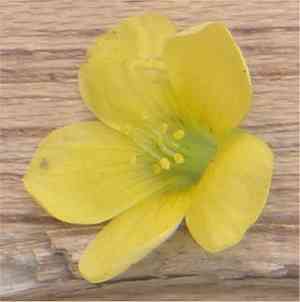
Dwarf woodsorrel (Oxalis micrantha)
Also known as: Small-flowered Wood Sorrel, Micro Clover, Sourgrass
Dwarf woodsorrel is a hardy, low-growing plant with small, heart-shaped leaves that close up during the night or in dim light. Its yellow flowers, each with five petals, add a gentle touch of color. This resilient plant can thrive in diverse lighting conditions, from full sun to shade, making it a versatile choice for gardens and natural settings alike.
In This Article
Attributes of Dwarf woodsorrel
Lifespan
Perennial
Plant Type
Herb
Plant Height
10-30 cm
Spread
15-45 cm
Leaf Color
Green
Flower Size
0.5-1 cm
Flower Color
White to Pale Yellow
Images of Dwarf woodsorrel
Quickly Identify Dwarf woodsorrel
1
Oxalis micrantha can be identified by its trifoliate leaves, each leaflet resembling a miniature clover. The flowers are small, usually less than 1 cm in diameter, with five petals that can range in color from white to pale yellow.
Scientific Classification of Dwarf woodsorrel
Phylum
Vascular plants
Class
Dicotyledons
Order
Oxalidales
Family
Wood sorrel
Genus
Wood sorrels
Species
Dwarf woodsorrel
Planting and Growing of Dwarf woodsorrel
Care Difficulty
Easy
Watering Schedule
Every 3 days
Sunlight Requirements
Partial sun
Sunshine Duration
6-8 hours
Ideal Temperature
60-75℉
Soil Type
Potting Mix, Peat Mix
Soil pH
6.5-7.5
Fertilizer Type
Balanced
Pruning Season
Spring, Summer
Pruning Area
Branches, Leaves
Pruning Frequency
2 times a year
Repotting Season
Spring
Pot Type
Plastic, Ceramic
 How to Water Dwarf woodsorrel?
Oxalis micrantha prefers well-draining soil that stays slightly moist. Watering should be done until the soil is damp but not soggy. The key is to ensure that the water fully penetrates the soil without pooling at the bottom of the pot, around 250ml per watering session depending on pot size and soil type.
What are the symptoms of an underwatered Dwarf woodsorrel?
›
What should I do if my Dwarf woodsorrel is not getting enough water?
›
What are the symptoms of an overwatered Dwarf woodsorrel?
›
How to save an overwatered Dwarf woodsorrel?
›
 What Are the Sunlight Requirements for Dwarf woodsorrel?
Partial sun exposure ensures vibrant foliage and prevents the leaves from burning. Access to diffused sunlight for 4-6 hours is optimal for this plant.
What is the ideal light condition for Oxalis micrantha?
›
How to achieve the ideal lighting conditions?
›
What are the benefits of ideal lighting?
›
 What Is the Ideal Temperature Range for Dwarf woodsorrel?
The ideal temperature range for the growth of Oxalis micrantha is between 60°F and 75°F. This range provides a suitable environment for optimal metabolic processes and photosynthesis, ensuring healthy growth and development. Within this range, the plant can effectively absorb nutrients and manage its water usage, promoting vibrant foliage and flowering.
 What Soil is Best for Dwarf woodsorrel?
Oxalis micrantha thrives in well-draining soil conditions. Proper drainage ensures that water does not accumulate around the roots, reducing the risk of root rot and promoting healthy growth. The plant prefers moderately fertile soil. This encourages robust growth and vibrant foliage without the risk of over-fertilization, which can lead to excessive leaf growth and reduced flowering. A soil pH range of 6.5 to 7.5 is ideal for Oxalis micrantha. This ensures optimal nutrient availability and absorption, contributing to the plant's overall vigor and health.
 How to Fertilize Dwarf woodsorrel?
For Oxalis micrantha, use a balanced liquid fertilizer diluted to half-strength. Administer about 1/2 teaspoon per gallon of water. This provides the essential nutrients without overloading the plant, allowing it to thrive and exhibit healthy growth.
 How to Prune Dwarf woodsorrel?
While early spring and late autumn are the best seasons for major pruning, you can still trim light growth throughout the growing season, especially if the plant becomes leggy or overgrown. After pruning, water the plant moderately and check for any signs of stress or disease. Ensure the plant has enough light, as good lighting will help it recover and thrive post-pruning.
More About Pruning Techniques→
 How to Propagate Dwarf woodsorrel plant?
1
Start by collecting seeds from the plant after they mature. Sow the seeds in seed trays filled with well-draining potting mix. Lightly cover the seeds with soil and keep the medium moist until germination occurs.
2
Select healthy, non-flowering stems and cut them using sharp shears. Remove the lower leaves and dip the cutting bases in rooting hormone powder. Insert these into a moist potting mix.
3
This method involves dividing mature plants into smaller sections. Carefully dig up the plant, ensuring minimal root disturbance, and divide it using a sharp knife, then replant in fresh soil.
 How to Repot Dwarf woodsorrel plant?
1
Oxalis micrantha should be repotted when you notice the roots circling the pot or pushing through the drainage holes. These are strong signs that the plant has outgrown its current container. Additionally, if the plant looks top-heavy, or if water is not absorbing quickly into the soil, it's time for a new pot.
2
Select a pot that is about 2 inches larger in diameter than the current one. This allows the roots enough space to spread while preventing excess moisture retention that could result from a pot that's too large. A pot with drainage holes is vital to prevent water from accumulating at the bottom, which can lead to root rot.
3
Opt for a well-draining potting mix to ensure the plant's roots remain healthy. Such a mix typically contains ingredients like perlite or sand to enhance aeration and drainage. This type of soil helps prevent overwatering issues and replicates the plant’s natural growing conditions, promoting vital growth.



