
Pink woodsorrel (Oxalis debilis)
Also known as: Pink shamrock, Large-flowered pink-sorrel
Pink woodsorrel (Oxalis debilis) is a flowering plant that has spread to every inhabited continent. While all parts of the plant are edible, they should be consumed in moderation because they contain oxalic acid. The plant has a tangy, lemon-like taste. Without proper management, it can become invasive.
Attributes of Pink woodsorrel
Images of Pink woodsorrel
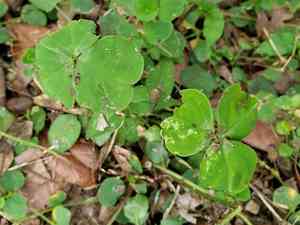
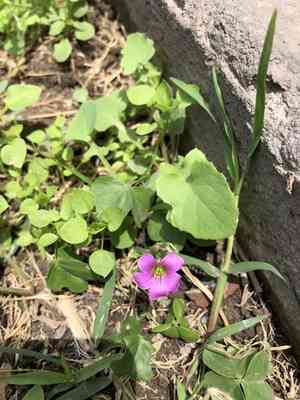
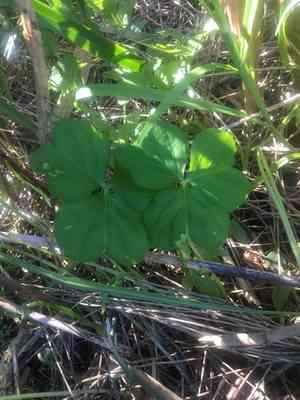
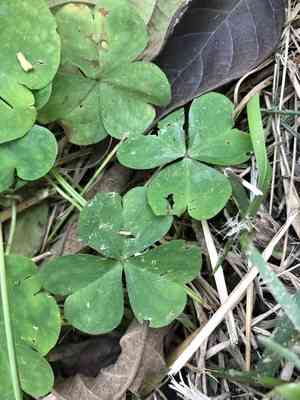
Quickly Identify Pink woodsorrel
Scientific Classification of Pink woodsorrel
Planting and Growing of Pink woodsorrel
 How to Water Pink woodsorrel?
 What Are the Sunlight Requirements for Pink woodsorrel?
 What Is the Ideal Temperature Range for Pink woodsorrel?
 What Soil is Best for Pink woodsorrel?
 How to Fertilize Pink woodsorrel?
 How to Prune Pink woodsorrel?
 How to Propagate Pink woodsorrel plant?
 How to Repot Pink woodsorrel plant?
Toxicity of Pink woodsorrel
Is Pink woodsorrel toxic to cat?
Pink woodsorrel is known for its harmful effects on cats. Cats may inadvertently consume parts of pink woodsorrel, resulting in possible health issues. Every part of the plant carries toxicity, placing cats in danger if they interact with any part of pink woodsorrel. After ingestion, cats may display symptoms of discomfort and sickness, suggesting poisoning has occurred. Due to the gravity of this matter, it is crucial for cat owners to vigilantly observe their pets and seek prompt veterinary assistance if any signs of distress arise.
Is Pink woodsorrel toxic to dog?
Pink woodsorrel is recognized as toxic to dogs. Canines may inadvertently consume parts of this plant, resulting in poisoning. The entire plant—comprising leaves, stems, and flowers—contains harmful substances that can adversely affect a dog's health. Following ingestion, a dog may show symptoms such as vomiting, diarrhea, lethargy, or more severe indications, depending on the quantity ingested. It is essential for dog owners to vigilantly supervise their pets and restrict their access to pink woodsorrel. If a dog exhibits any signs of poisoning after consuming pink woodsorrel, it is vital to seek immediate veterinary assistance to ensure the best possible outcome for the animal.



