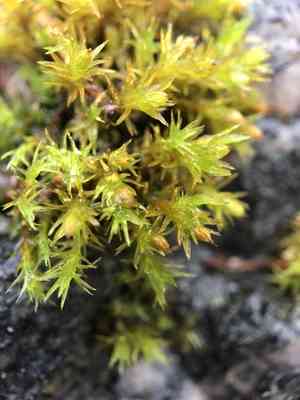
Orthotrichum moss (Orthotrichum cupulatum)
Also known as: Cupulate Bristle-moss
Orthotrichum moss, known for its tufted, cushion-like clusters, commonly inhabits the bark of hardwood trees. When dry, its leaves curl, giving it a glossy and dense appearance, while in moist conditions, the leaves spread out, revealing fine, hair-like structures at their tips. The moss features upright capsules covered by a bell-shaped calyptra, which is key to its distinctive look. Orthotrichum moss's ability to thrive on tree bark highlights its adaptability and its integral role in forest ecosystems.
In This Article
Attributes of Orthotrichum moss
Lifespan
Perennial
Plant Height
1-3 cm
Spread
N/A
Leaf Color
Green
Flower Size
N/A
Flower Color
N/A
Images of Orthotrichum moss
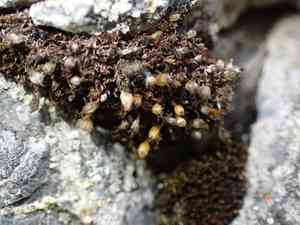
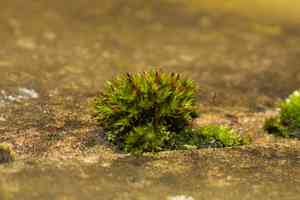
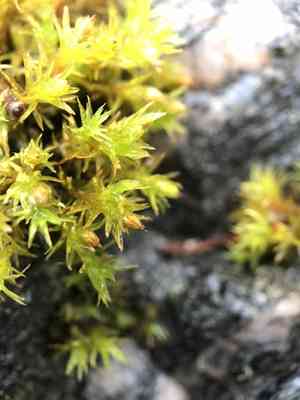
Quickly Identify Orthotrichum moss
1
Orthotrichum cupulatum can be identified by its small, dense tufts or cushions. The leaves are lanceolate to ovate-lanceolate, and the capsules are cylindrical with a lid that resembles a small cup, hence the name.
Scientific Classification of Orthotrichum moss
Phylum
Bryophyta
Class
Bryopsida
Order
Orthotrichales
Family
Orthotrichaceae
Genus
Orthotrichum
Planting and Growing of Orthotrichum moss
Care Difficulty
Moderate
Watering Schedule
Every 2 days
Sunlight Requirements
Partial sun
Sunshine Duration
4-6 hours
Ideal Temperature
60-75℉
Soil Type
Potting Mix, Peat Mix
Soil pH
6.5-7.5
Fertilizer Type
Balanced
Pruning Season
Spring, Summer
Pruning Area
Branches, Leaves
Pruning Frequency
2 times a year
Repotting Season
Spring
Pot Type
Plastic, Ceramic
 How to Water Orthotrichum moss?
For Orthotrichum cupulatum, ensure you water lightly, about 50 milliliters each time. The goal is to mimic the natural moist conditions under which mosses thrive, ensuring the substrate is just damp, not soggy.
What are the symptoms of an underwatered Orthotrichum moss?
›
What should I do if my Orthotrichum moss is not getting enough water?
›
What are the symptoms of an overwatered Orthotrichum moss?
›
How to save an overwatered Orthotrichum moss?
›
 What Are the Sunlight Requirements for Orthotrichum moss?
Partial sun is ideal for Orthotrichum cupulatum, ensuring optimal health and growth. Sufficient light promotes strong development, rich coloration, and robust disease resistance.
What is the best lighting for Orthotrichum cupulatum?
›
How can I achieve ideal lighting for this plant?
›
What are the benefits of ideal lighting for the plant?
›
 What Is the Ideal Temperature Range for Orthotrichum moss?
Orthotrichum cupulatum thrives best in a temperature range from 60°F to 75°F. This range ensures optimal metabolic rates and physiological functions. At this temperature, the plant can efficiently photosynthesize, respire, and grow. Maintaining this temperature range helps avoid stress, leading to healthier and more vigorous growth.
 What Soil is Best for Orthotrichum moss?
Orthotrichum cupulatum thrives in nutrient-rich environments where essential minerals are abundant. This ensures the moss receives adequate nourishment for growth, promoting lush and healthy foliage. The ideal soil for Orthotrichum cupulatum maintains optimal moisture without waterlogging. This characteristic prevents root rot and provides the moss with a consistent water supply critical for its survival. Orthotrichum cupulatum benefits from well-aerated soil, which supports effective gas exchange for roots. Aeration prevents compaction, allowing roots to absorb oxygen and nutrients efficiently.
 How to Fertilize Orthotrichum moss?
Orthotrichum cupulatum tends to thrive with a modest amount of fertilizer. For liquid fertilizers, use a diluted solution at a ratio of 1:2 (fertilizer to water), ensuring you don't drench the moss. For solid fertilizers, a light sprinkling suffices; roughly half a teaspoon around its base allows for gentle nourishment without overwhelming the roots.
 How to Prune Orthotrichum moss?
Begin by assessing the current growth of the moss. Look for areas that appear too thick or are shading other parts. It is important to identify the sections that require thinning for optimal light exposure. Carefully trim excess growth, focusing on overgrown areas. It's crucial to maintain balance throughout, allowing the entire patch of moss to receive even light and air circulation, promoting consistent growth. While pruning, inspect the moss for any signs of mold or disease. Removing affected areas promptly prevents the spread of disease, safeguarding the health of the entire moss patch.
More About Pruning Techniques→
 How to Propagate Orthotrichum moss plant?
1
Collect mature Orthotrichum cupulatum spores from a healthy parent plant. Ensure that the spores are fully matured and have a dry, powdery texture, indicating they are ready for sowing.
2
Sprinkle the spores evenly across the surface of a moist, well-draining substrate designed for mosses. Lightly mist the surface to settle the spores but avoid burying them.
3
Place the seed tray in a bright, indirect light environment. Maintain a consistent level of humidity and temperature to encourage germination. Shield the seeds from direct sunlight and extreme conditions.
 How to Repot Orthotrichum moss plant?
1
Signs that Orthotrichum cupulatum needs repotting include overcrowded roots, stunted growth, or if the moss is lifting itself out of the pot. Spring and summer provide the ideal growing conditions, allowing the plant to recover from the stress of repotting. Look for these indicators and plan the repotting when the plant is actively growing.
2
Select a shallow pot that provides adequate surface area for the moss to spread, ideally made of terracotta for breathability. Ensure that the pot has multiple drainage holes to prevent waterlogging, which can lead to root rot. A well-chosen pot promotes healthier growth by providing both support and air circulation.
3
A lightweight, well-draining soil is crucial for Orthotrichum cupulatum. Consider mixing sand, perlite, and peat moss to create a suitable environment. This mixture mimics its natural habitat, ensuring steady moisture retention without risk of root rot, enabling the plant to thrive post-repotting.


