
Sidebells wintergreen (Orthilia secunda)
Also known as: Toothed wintergreen, One-sided wintergreen
Sidebells wintergreen (*Orthilia secunda*) thrives in moist, forested environments, particularly within coniferous and mixed woodlands. Its presence spans much of the Northern Hemisphere, although it faces endangerment in certain U.S. states and has vanished from others. The name "sidebells" refers to its distinctive, low-lying greenish-white flowers that cluster along one side of the stem.
In This Article
Attributes of Sidebells wintergreen
Lifespan
Perennial
Plant Type
Herb
Plant Height
8 cm to 20 cm
Spread
20 cm to 30 cm
Leaf Color
Green
Flower Size
2.5 cm
Flower Color
White Green Yellow
Images of Sidebells wintergreen
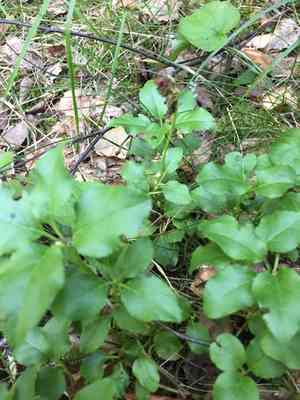
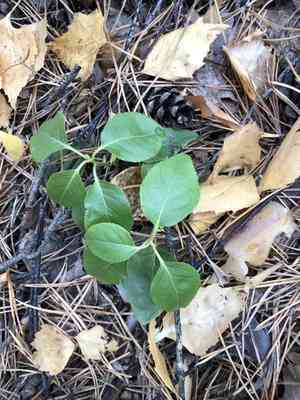
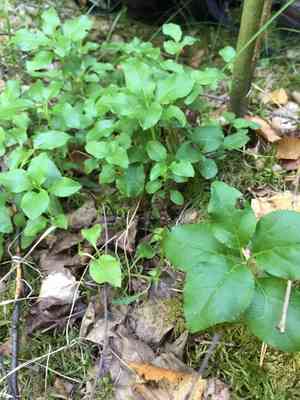
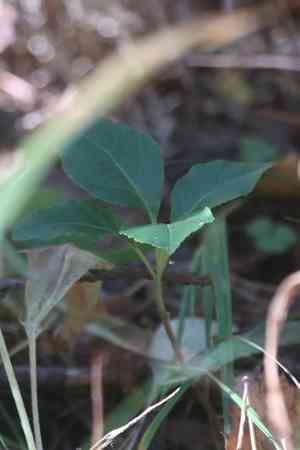
Quickly Identify Sidebells wintergreen
1
Orthilia secunda can be identified by its one-sided racemes of small, greenish-white flowers, leathery and serrate leaves, and creeping rhizomes. The plant tends to grow in forest understories and moist, shady habitats.
Scientific Classification of Sidebells wintergreen
Phylum
Vascular plants
Class
Dicotyledons
Order
Ericales
Family
Heath
Genus
sidebells wintergreen
Species
Sidebells wintergreen
Planting and Growing of Sidebells wintergreen
Care Difficulty
Easy
Watering Schedule
Every 2 days
Sunlight Requirements
Full shade
Sunshine Duration
6-10 hours
Ideal Temperature
50-75℉
Soil Type
Potting Mix, Peat Mix
Soil pH
4.5-6.5
Fertilizer Type
Balanced
Pruning Season
Spring, Summer
Pruning Area
Branches, Leaves
Pruning Frequency
2 times a year
Repotting Season
Spring
Pot Type
Plastic, Ceramic
 How to Water Sidebells wintergreen?
For Orthilia secunda, ensure the soil is evenly moist but not waterlogged. Use approximately 150 ml of water each time, allowing it to soak in thoroughly before checking for further saturation.
What are the symptoms of an underwatered Sidebells wintergreen?
›
What should I do if my Sidebells wintergreen is not getting enough water?
›
What are the symptoms of an overwatered Sidebells wintergreen?
›
How to save an overwatered Sidebells wintergreen?
›
 What Are the Sunlight Requirements for Sidebells wintergreen?
Orthilia secunda thrives best under partial shade to full shade conditions with soft, diffused light. This ideal range simulates a forest environment and enhances the plant's natural growth patterns and overall health.
More About Sunlight Requirements Techniques→
What type of light does Orthilia secunda need?
›
How can you ensure the plant gets the ideal light?
›
What are the benefits of providing ideal light?
›
 What Is the Ideal Temperature Range for Sidebells wintergreen?
For optimal growth of Orthilia secunda, maintaining a temperature range between 50°F and 75°F is critical. This range provides the perfect balance of warmth needed for the photosynthetic processes and overall health of the plant. Keeping the temperature steady within this range ensures that the plant can thrive without experiencing thermal stress.
 What Soil is Best for Sidebells wintergreen?
Orthilia secunda thrives best in well-drained soil, which prevents waterlogged roots and promotes optimal growth. Such soil types help maintain the ideal moisture balance crucial for the plant's health. While preferring well-drained soil, moisture retention is also essential. This ensures that the plant remains hydrated, especially in periods of drought, aiding in its survival and sustenance. Nutrient-rich soil provides Orthilia secunda with essential minerals and nutrients for robust growth and vibrant foliage, enhancing the plant's overall development and resilience.
 How to Fertilize Sidebells wintergreen?
For Orthilia secunda, use a balanced, mild fertilizer. In its active growing season, apply about half the recommended dose for houseplants, as it doesn't require heavy feeding. This ensures the plant receives essential nutrients without the risk of over-fertilization.
 How to Prune Sidebells wintergreen?
Start by inspecting the plant for any dead or damaged leaves and stems. Cut these back to the base to allow room for new growth. This step is crucial in maintaining overall plant health. Gently shape Orthilia secunda by trimming any overgrown branches. This encourages a more compact and aesthetically pleasing form. Shape the plant evenly around to maintain its natural symmetry.
More About Pruning Techniques→
 How to Propagate Sidebells wintergreen plant?
1
When propagating Orthilia secunda by seeds, start by collecting mature seeds from existing plants. Ensure that they are fully formed and healthy, which often means waiting until they turn brownish or appear ready for dispersal.
2
Prepare a sterile potting mix by combining equal parts of peat moss and perlite to promote aeration and moisture retention. Pre-moistening the mix is important to ease the planting process and support seed germination.
3
Distribute the seeds evenly on the surface of the prepared potting mix. Cover them lightly with a thin layer of mix or vermiculite, ensuring they have enough access to light and air circulation to trigger growth.
 How to Repot Sidebells wintergreen plant?
1
Signs that Orthilia secunda may need repotting include stunted growth, roots emerging from drainage holes, or compacted soil. Ideally, repot when it shows new growth or when the soil dries out too quickly.
2
Select a pot that is only slightly larger than the current one. It should have several drainage holes to prevent root rot. A slightly porous material, like clay, can help regulate soil moisture levels beneficially.
3
Choose an acidic, well-draining soil mix, such as a base of peat moss with perlite. This combination mimics the plant's natural woodland environment, ensuring proper drainage and preventing nutrient-lock issues.



