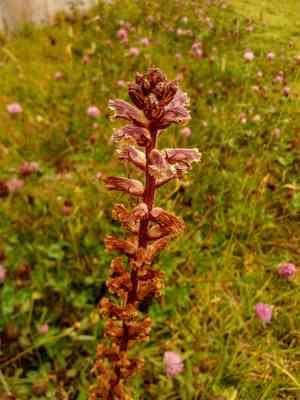
Small broomrape (Orobanche minor)
Also known as: Broomrape, Lesser Broomrape
Small broomrape is a perennial parasitic plant. It is native to the Middle East but has been introduced into the United States, where it has been classified as a noxious weed. Severe infestations can cause crop failure.
In This Article
Attributes of Small broomrape
Lifespan
Annual, Perennial
Plant Type
Herb
Plant Height
50 cm
Spread
20 cm
Leaf Color
Leaves are reduced to small scales
Flower Size
1.3 cm
Flower Color
Purple White Yellow Cream Red Brown
Images of Small broomrape
Quickly Identify Small broomrape
1
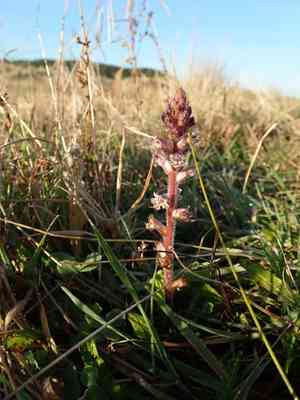
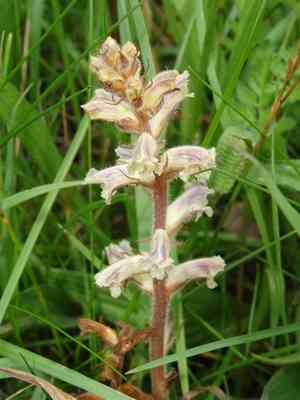
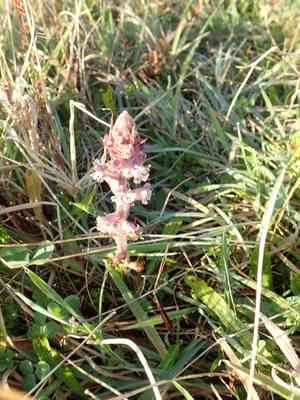
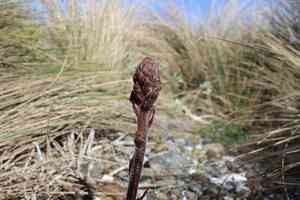
This plant can be identified by its pale, non-photosynthetic stems that typically range from white to yellowish, and its distinctive tubular flowers that are often purplish or brown.
Scientific Classification of Small broomrape
Phylum
Vascular plants
Class
Dicotyledons
Order
Lamiales
Family
Broomrape
Genus
Broomrapes
Species
Small broomrape
Planting and Growing of Small broomrape
Care Difficulty
Hard
Watering Schedule
Every day
Sunlight Requirements
Full shade
Sunshine Duration
4-8 hours
Ideal Temperature
60-75℉
Soil Type
Potting Mix, Peat Mix
Soil pH
6.5-7.5
Fertilizer Type
Balanced
Pruning Season
Spring, Summer
Pruning Area
Branches, Leaves
Pruning Frequency
2 times a year
Repotting Season
Spring
Pot Type
Plastic, Ceramic
 How to Water Small broomrape?
Orobanche minor, a parasitic plant, generally requires minimal water due to its nature of deriving nutrients from host plants. Watering should be just enough to lightly moisten the surrounding soil without creating conditions that may lead to root rot.
What are the symptoms of an underwatered Small broomrape?
›
What should I do if my Small broomrape is not getting enough water?
›
What are the symptoms of an overwatered Small broomrape?
›
How to save an overwatered Small broomrape?
›
 What Are the Sunlight Requirements for Small broomrape?
Partial sun to full shade conditions are ideal, with 2 to 4 hours of dappled sunlight. This balance allows Orobanche minor to develop in a stable environment, maintaining its health and encouraging natural growth cycles.
More About Sunlight Requirements Techniques→
What is the best lighting environment for Orobanche minor?
›
How can I ensure Orobanche minor receives ideal light exposure?
›
What are the benefits of providing ideal lighting conditions?
›
 What Is the Ideal Temperature Range for Small broomrape?
The ideal temperature range for Orobanche minor is between 60°F to 75°F. This range provides an optimal environment for the plant's growth and development, ensuring that its physiological processes such as photosynthesis and cellular respiration occur efficiently. Maintaining this temperature range will help the plant achieve its best potential in terms of growth and flowering.
 What Soil is Best for Small broomrape?
Orobanche minor thrives in well-drained soils which prevent waterlogging and root rot. Ensuring proper drainage helps the plant access essential nutrients while maintaining ideal moisture levels. Moderate nutrient levels in the soil provide Orobanche minor the necessary support for optimal growth without overwhelming its roots. This balance allows for sustained health and vitality. Although primarily adapted to neutral pH levels, Orobanche minor can tolerate slightly alkaline soil. This expands its growing environments and ensures resilience in diverse settings.
 How to Fertilize Small broomrape?
Orobanche minor does not typically require extensive fertilization due to its parasitic nature. Ensure minimal intervention to avoid disruption of its natural growth pattern. However, if cultivated in a controlled environment, use trace amounts equivalent to one-tenth of typical plant fertilizer recommendations.
 How to Prune Small broomrape?
While Orobanche minor doesn't necessitate pruning in the traditional sense due to its parasitic nature, attention should be paid to controlling its impact on host plants. Remove any visible, unhealthy parts to prevent unnecessary stress on the hosts. If you decide to prune, ensure you carefully remove the flowering stalks before they set seed. This helps in controlling the spread, minimizing future infestations.
More About Pruning Techniques→
 How to Propagate Small broomrape plant?
1
Fill seed trays with a well-draining potting mix. Lightly moisten the soil before sowing the seeds. This preparation ensures seeds have the moisture they need to begin germination without risk of drying out.
2
Scatter the Orobanche minor seeds evenly onto the soil surface without covering them too much, as they require light to germinate. A gentle sprinkling of soil is enough, and press lightly to ensure good soil contact.
3
Water the seeds gently to avoid displacing them. Maintain a consistent level of moisture in the soil without making it overly soggy. Covering the tray with a plastic lid or a plastic wrap can help retain humidity necessary for germination.
 How to Repot Small broomrape plant?
1
Look for signs such as stunted growth, roots emerging from drainage holes, or soil drying out too quickly. These indicate it's time to repot your Orobanche minor to provide space and nourishment for continued growth.
2
Select a pot that is 1-2 inches larger in diameter. Ensure it has adequate drainage to prevent waterlogging. A slightly larger pot allows roots to expand without overwhelming the plant with excess soil.
3
Choose well-drained, sandy loam soil. This composition ensures good aeration and prevents water retention, which can cause root rot. The airy environment promotes healthy root growth and nutrient uptake.



