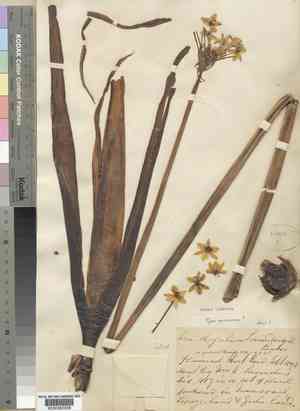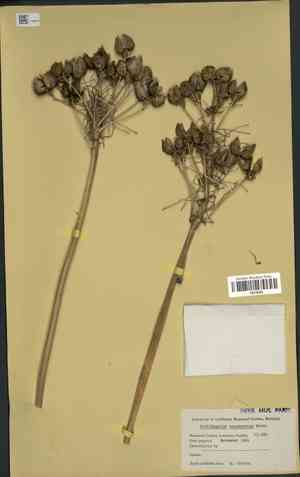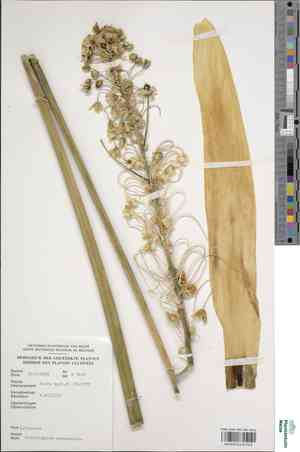
Transvaal chincherinchee(Ornithogalum saundersiae)

Transvaal chincherinchee (Ornithogalum saundersiae)

Also known as: Giant Chincherinchee, Giant Star of Bethlehem

The Transvaal chincherinchee (Ornithogalum thyrsoides) is a captivating perennial known for its upright growth and distinctive star-shaped white flowers, which feature a contrasting green or black center. Here’s a concise overview of its traits and growing needs:

### Characteristics:
- **Growth Form:** Upright and sturdy.
- **Flowers:** White, star-shaped blooms with a central green or black ovary, creating a striking visual contrast.
- **Stems:** Tall and slender, supporting clusters of flowers.
- **Leaves:** Long, strap-like, and green.

### Growing Conditions:
- **Soil:** Prefers well-drained, sandy or loamy soil.
- **Light:** Best grown in full sun but can adapt to partial shade.
- **Watering:** Moderate watering needs; ensure soil dries out between waterings to avoid bulb rot.
- **Temperature:** Suitable for USDA hardiness zones 7-10; requires protection from frost in colder climates.
- **Planting Depth:** Plant bulbs about 2-3 inches (5-7.5 cm) deep and spaced 4-6 inches (10-15 cm) apart.

This plant adds a unique touch to summer gardens with its starry flower display, while its bulbous roots help it endure dormant periods.

Attributes of Transvaal chincherinchee

Lifespan
Perennial
Plant Type
Herb
Plant Height
1 m
Spread
10 cm
Leaf Color
Green
Flower Size
2 to 4 centimeters
Flower Color
White with a greenish-black center

ForwardPlant - Identify plants with a snap

Identify and diagnose plants, get toxicity alerts, and explore safety guides for all types of fungi.

Try for Free

Images of Transvaal chincherinchee
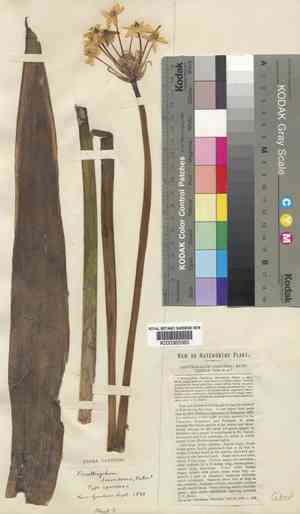
Transvaal chincherinchee(Ornithogalum saundersiae)

Quickly Identify Transvaal chincherinchee

1
Ornithogalum saundersiae can be identified by its tall stems, which can reach up to 1 meter, and its clusters of star-shaped, white flowers. The flowers have a greenish-black ovary in the center.

Scientific Classification of Transvaal chincherinchee

Phylum
Vascular plants
Class
Monocotyledons
Order
Asparagus and allies
Family
Asparagus
Genus
Star-of-bethlehem
Species
Transvaal chincherinchee

Planting and Growing of Transvaal chincherinchee

Care Difficulty
Moderate
Watering Schedule
Every 3 days
Sunlight Requirements
Full sun
Sunshine Duration
4-8 hours
Ideal Temperature
60-75℉
Soil Type
Potting Mix, Peat Mix
Soil pH
6.5-7.5
Fertilizer Type
Balanced
Pruning Season
Spring, Summer
Pruning Area
Branches, Leaves
Pruning Frequency
2 times a year
Repotting Season
Spring
Pot Type
Plastic, Ceramic

water icon How to Water Transvaal chincherinchee?

Ornithogalum saundersiae prefers a consistent watering approach. Water them generously, ensuring that the soil is moistened but never soggy. A solid rule of thumb is to water until approximately 150 ml is absorbed into well-draining soil, allowing excess to drain entirely.
What are the symptoms of an underwatered Transvaal chincherinchee?
What should I do if my Transvaal chincherinchee is not getting enough water?
What are the symptoms of an overwatered Transvaal chincherinchee?
How to save an overwatered Transvaal chincherinchee?

sunlight icon What Are the Sunlight Requirements for Transvaal chincherinchee?

Sunlight Requirements: Full sun, Partial sun
Duration of light: 6 to 8 hours
Ornithogalum saundersiae prefers full sun to partial sun conditions. Ensuring the plant is exposed to this ideal light range encourages vigorous growth and maximizes its flowering potential, contributing significantly to its overall health.
What is the ideal lighting setup for Ornithogalum saundersiae?
How can I ensure my Ornithogalum saundersiae gets enough light throughout the day?
What will happen if Ornithogalum saundersiae receives optimal light conditions?

temperature icon What Is the Ideal Temperature Range for Transvaal chincherinchee?

Ideal Temperature: 60 ~ 75℉
The ideal temperature range for Ornithogalum saundersiae is between 60°F and 75°F. This range allows for optimal growth and development, as it supports the plant’s metabolism, photosynthesis, and water retention. At these temperatures, the plant is able to perform physiological functions efficiently, ensuring robust flowering and overall health.

soil icon What Soil is Best for Transvaal chincherinchee?

Soil type: Loam, Sandy loam
Soil PH: 6.5 ~ 7.5
Ornithogalum saundersiae thrives in well-drained soil, ensuring that water does not accumulate around the roots, which can lead to rot. Ensuring good drainage improves the plant's overall health and prevents waterlogging issues. This plant prefers nutrient-rich soil that can support its growth needs. Providing soil with adequate organic matter will encourage strong growth, vibrant foliage, and prolific flowering. While good drainage is essential, the soil should retain moderate moisture to sustain the plant between waterings. This balance helps keep the plant hydrated while preventing root diseases.

fertilize icon How to Fertilize Transvaal chincherinchee?

Fertilizer type: Balanced
For Ornithogalum saundersiae, it is crucial to apply a balanced fertilizer. When using liquid fertilizer, dilute it to half strength to avoid root burn. Use approximately 1 tablespoon of liquid fertilizer mixed into a gallon of water, ensuring even distribution around the base of the plant.

prune icon How to Prune Transvaal chincherinchee?

Pruning Time: Summer
Once the flowers of Ornithogalum saundersiae have faded, cut the stalks back to the base. This prevents the plant from wasting energy on seed production and instead directs resources towards root and leaf growth. Inspect the foliage for yellowing or dead leaves, especially after flowering. Trim these leaves at their base using clean scissors to keep the plant tidy and prevent pest infestations. To promote a bushier appearance, consider pinching back the tips of new growth occasionally. This technique can lead to a fuller plant with more robust flowering potential in the next blooming cycle. More About Pruning Techniques

propagate icon How to Propagate Transvaal chincherinchee plant?

Propagate Time: Spring, Early summer
1
Sow seeds in a tray filled with seed starter mix. Ensure the seeds are spaced evenly and lightly cover them with soil. Water gently to keep the substrate moist.
2
Carefully dig up the mature plant and gently separate the bulbs. Replant the divided bulbs in well-draining soil, ensuring the bulb is covered but not buried too deep.
3
Place the seed tray in a warm, bright location with indirect sunlight. Keep the soil moist but not soaked. Observe the seedlings as they emerge and thin them if overcrowded.
More About Propagating Techniques

repot icon How to Repot Transvaal chincherinchee plant?

Repotting frequency: Every two to three years
1
Ornithogalum saundersiae benefits from repotting when you notice roots pushing through the drainage holes or when the plant itself becomes top-heavy. Spring and summer are ideal as the plant is in an active growth phase, lessening transplant shock. A lack of growth or wilting despite regular care are indications that it's time for a change.
2
Selecting the right pot for Ornithogalum saundersiae involves ensuring proper drainage and enough space for root expansion. Choose a pot that is about 2 inches larger in diameter than the current one. Terracotta pots are great as they allow soil to breathe, preventing soggy roots, a critical factor for this plant’s health.
3
Opt for a well-draining loamy mix to prevent waterlogging, which this bulbous plant despises. A mixture that contains perlite or sand helps with drainage while retaining enough moisture for the plant's needs. This ensures robust growth and minimizes the risk of root rot.

ForwardPlant - Identify plants with a snap

Find the best spots for them to optimize their health, simply using your phone.

Try for Free