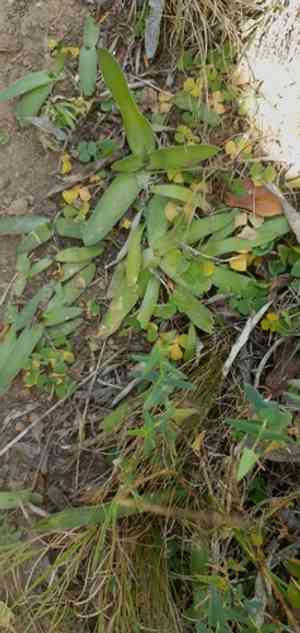
Sun star (Ornithogalum dubium)
Also known as: Snake flower, Orange star
The sun star is a member of the Lily family. It is also known as Star of Bethlehem, Snake Flower, and *Ornithogalum dubium*. This bulbous perennial displays bright yellow, orange, or white star-shaped blooms. Blooms can last up to six months under ideal conditions, making it a great centerpiece. This plant is toxic.
Attributes of Sun star
Images of Sun star
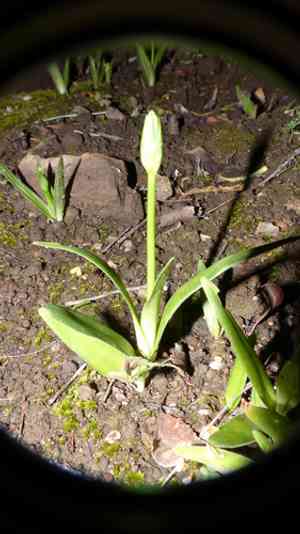
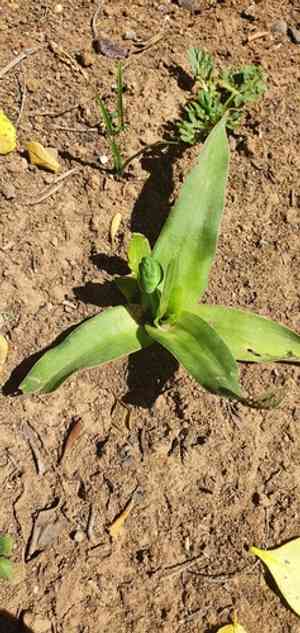
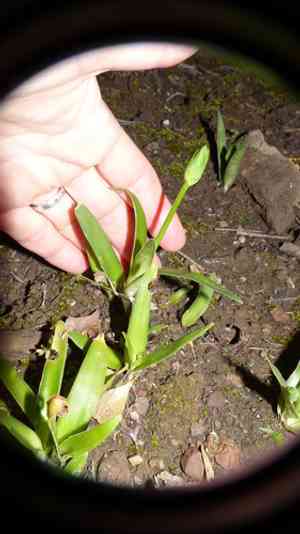
Quickly Identify Sun star
Scientific Classification of Sun star
Toxicity of Sun star
Is Sun star toxic to humans?
The Sun star plant has the potential to induce toxic reactions if ingested or if its sap comes into contact with unprotected skin. The resulting symptoms can range from mild to moderate in severity; although not fatal, they may necessitate prompt intervention. Every part of the plant, including the stem, flowers, leaves, and sap, contains toxic substances. The sap can irritate the skin upon contact, while consuming other parts of the plant may lead to symptoms such as vomiting, nausea, heart palpitations, and in severe cases, seizures. When handling this plant, it is crucial to wear gloves to prevent skin exposure, and caution should be exercised if it is kept indoors around small children as a decorative houseplant.
Is Sun star toxic to cat?
The sun star plant is harmful to felines, presenting a genuine threat if consumed. Cats might inadvertently ingest different parts of the sun star, as every part of this plant is toxic. Following ingestion, cats may exhibit signs of physical distress, which can vary based on the specific reaction of each animal. Cat owners should be mindful that any consumption requires prompt veterinary care. Acting quickly by visiting a veterinary clinic is essential for the well-being and recovery of the pet.
Is Sun star toxic to dog?
The sun star plant is regarded as toxic for dogs. When any part of the sun star is consumed by dogs, they face potential poisoning due to the plant's natural toxicity. Dogs may unintentionally eat parts of the sun star while exploring outside or if the plant is accessible indoors. Every part of the plant, including its leaves, flowers, and bulbs, poses a threat to canines. Following ingestion of the sun star, dogs may show signs such as vomiting, diarrhea, lethargy, drooling, or even more serious symptoms like tremors or abdominal discomfort. It is imperative for dog owners to remain alert and limit dogs' access to sun star. If there is a suspicion that a dog has consumed any part of the sun star, seeking immediate veterinary care is vital to guarantee swift treatment and achieve the best possible results.

