
Northern cryptantha (Oreocarya celosioides)
Also known as: None
The northern cryptantha is a perennial herb characterized by its low, spreading growth and the formation of dense mats. Its hairy stems support clusters of small, tubular yellow flowers. This plant excels in arid environments, typically inhabiting rocky or sandy soils. Key adaptations include a deep root system that taps into underground water reserves, and foliage designed to minimize water loss, allowing it to endure the challenging conditions of its native habitat.
In This Article
Attributes of Northern cryptantha
Lifespan
Biennial
Plant Type
Herb
Plant Height
20 cm to 41 cm
Spread
Approximately 30 cm
Leaf Color
Green to grayish-green
Flower Size
0.5 - 1 cm
Flower Color
White to cream
Images of Northern cryptantha
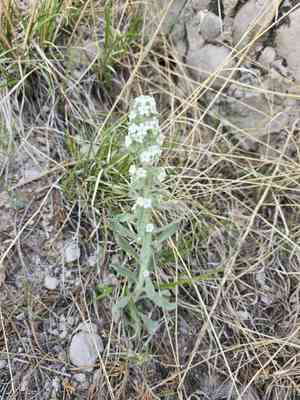
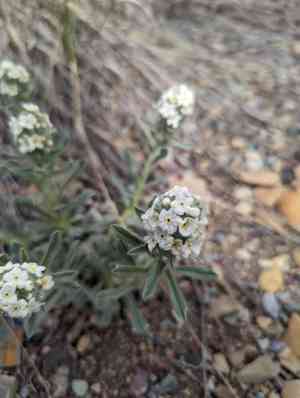
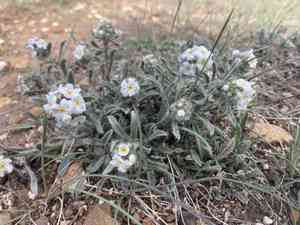
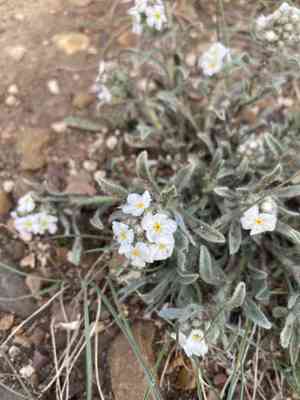
Quickly Identify Northern cryptantha
1
This plant can be identified by its dense rosette of basal leaves, bristly stems, and small white or cream-colored flowers clustered at the tops of the stems. The leaves are usually covered with coarse hairs, giving them a rough texture.
Scientific Classification of Northern cryptantha
Phylum
Vascular plants
Class
Dicotyledons
Order
Boraginales
Family
Borage
Genus
Oreocarya
Species
Northern cryptantha
Planting and Growing of Northern cryptantha
Care Difficulty
Moderate
Watering Schedule
Every 2 days
Sunlight Requirements
Full sun
Sunshine Duration
4-8 hours
Ideal Temperature
60-75℉
Soil Type
Potting Mix, Peat Mix
Soil pH
6.5-7.5
Fertilizer Type
Balanced
Pruning Season
Spring, Summer
Pruning Area
Branches, Leaves
Pruning Frequency
2 times a year
Repotting Season
Spring
Pot Type
Plastic, Ceramic
 How to Water Northern cryptantha?
For Oreocarya celosioides, a moderate watering approach is key. Water deeply enough to moisten the root zone. Make sure the top 1-2 inches of soil are dry before watering again, ensuring the roots have time to breathe.
What are the symptoms of an underwatered Northern cryptantha?
›
What should I do if my Northern cryptantha is not getting enough water?
›
What are the symptoms of an overwatered Northern cryptantha?
›
How to save an overwatered Northern cryptantha?
›
 What Are the Sunlight Requirements for Northern cryptantha?
Oreocarya celosioides thrives in full sun to partial sun, benefiting from consistent exposure to around 6-8 hours of sunlight. This range supports its photosynthetic activity, encouraging sturdy growth and vibrant flowering.
What is the ideal lighting condition for Oreocarya celosioides?
›
What are the solutions to ensure ideal lighting?
›
How does ideal sunlight benefit the plant?
›
 What Is the Ideal Temperature Range for Northern cryptantha?
Oreocarya celosioides thrives best in temperatures ranging from 60°F to 75°F. This range ensures optimal growth and flowering, simulating its native habitat's climate conditions. Maintaining this temperature range helps facilitate crucial physiological processes and enhances the plant's resilience towards environmental stressors.
 What Soil is Best for Northern cryptantha?
Oreocarya celosioides thrives in well-draining soils, which prevent waterlogging and associated root rot. Well-draining soil also ensures that roots receive the necessary air to breathe, promoting healthy growth and vitality. While Oreocarya celosioides is not particularly demanding in terms of soil fertility, a moderately fertile soil can support its growth better by providing essential nutrients without overwhelming the plant. This plant prefers soil pH within a neutral to slightly alkaline range. Maintaining this pH range facilitates proper nutrient uptake, which is crucial for the plant's overall health and blooming.
 How to Fertilize Northern cryptantha?
Oreocarya celosioides should receive a balanced amount of fertilizer to ensure healthy growth. Liquid fertilizers can be applied with a diluted solution of half-strength to every other watering during the growing season. For slow-release formulas, use a small handful (approximately 1/4 cup) per plant, lightly raked into the soil surface.
 How to Prune Northern cryptantha?
Carefully inspect the plant and identify any stems that appear brown or withered, marking them for pruning. Use your shears to make clean cuts at a 45-degree angle, just above a leaf node or healthy bud. Collect and dispose of all pruned material properly to avoid pests or disease settling back into the garden area.
More About Pruning Techniques→
 How to Propagate Northern cryptantha plant?
1
Collect mature seeds from Oreocarya celosioides. Clean and dry them properly before planting. This helps reduce the risk of fungal infections and improves germination rates.
2
Fill the seed tray with potting mix and evenly spread the seeds on the surface. Lightly press them into the soil but do not cover them completely as they may require light to germinate.
3
Gently water the seeds with a mist sprayer to avoid displacing them. Maintain moisture but avoid waterlogging. Place the tray in a location with bright, indirect sunlight.
 How to Repot Northern cryptantha plant?
1
Repot Oreocarya celosioides when you see roots coming out of the drainage holes or growth seem sluggish. Spring or summer is the ideal time, as the plant is actively growing, which helps it recover quickly from the process.
2
Select a pot just one size larger than the current one, ensuring it has good drainage. A too-large pot can cause excess water retention, risking root rot. Opt for terracotta to enhance moisture evaporation and prevent waterlogging.
3
Use a well-draining gritty soil mix to mimic its natural habitat. This mix should contain sand, perlite, and a little organic matter to ensure proper aeration and prevent root rot while providing enough nutrients for growth.
Toxicity
None
WARNING
The judgment on toxicity and danger is for reference only. We DO NOT GUARANTEE any accuracy of such judgment. Therefore, you SHALL NOT rely on such judgment. It is IMPORTANT TO SEEK PROFESSIONAL ADVICE in advance when necessary.
Learn More About Northern cryptantha Diseases
Anthracnose
Bacterial Leaf Spot
Bacterial Soft Rot
Bacterial Wilt
Chemical Injury
Crown Gall
Cyst Nematode
Damping-off
Downy Mildew
Drought Stress
Fusarium Wilt
Gray Mold
Leaf Spot
Mosaic
Nutrient Deficiency
Nutrient Toxicity
Powdery Mildew
Root Rot
Root-knot Nematode
Rusts
Sooty Mold
Spider Mites
Temperature Stress
Thrips Damage
White Mold


