
Cockspur pricklypear (Opuntia pusilla)
Also known as: Drawf Prickly Pear, Devil's Tongue
The cockspur pricklypear cactus (Opuntia engelmannii) stands out with its low, sprawling growth and distinctive paddle-shaped cladodes. These segments are home to areoles, small dot-like structures that produce both sharp spines and vibrant yellow flowers. Adapted to arid conditions, the cactus stores water in its thick, fleshy pads, allowing it to endure prolonged dry periods. The bright flowers not only add visual appeal but also attract pollinators, aiding in reproduction. This combination of water-efficient storage and protective spines ensures the cactus thrives in desert environments.
In This Article
Attributes of Cockspur pricklypear
Lifespan
Perennial
Plant Type
Shrub, Succulent
Plant Height
3-10 inches
Spread
6-12 inches
Leaf Color
Green
Flower Size
1-2 inches
Flower Color
Yellow with a red center
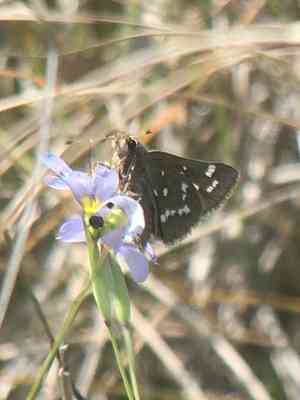
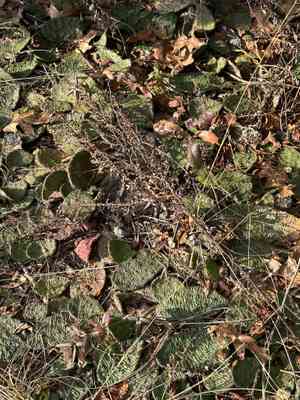
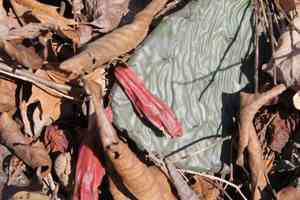
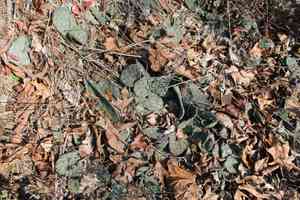
Images of Cockspur pricklypear
Quickly Identify Cockspur pricklypear
1
Look for small, oval-shaped pads that are covered in sharp spines. The pads are usually green but can turn reddish when stressed. The flowers are typically yellow with a red center, and the fruit is red or purple.
Scientific Classification of Cockspur pricklypear
Phylum
Vascular plants
Class
Dicotyledons
Order
Caryophyllales
Family
Cactuses
Genus
Prickly pear
Species
Cockspur pricklypear
Planting and Growing of Cockspur pricklypear
Care Difficulty
Easy
Watering Schedule
Every 2 days
Sunlight Requirements
Full sun
Sunshine Duration
6-10 hours
Ideal Temperature
65-75℉
Soil Type
Potting Mix, Peat Mix
Soil pH
6.5-7.5
Fertilizer Type
Balanced
Pruning Season
Spring, Summer
Pruning Area
Branches, Leaves
Pruning Frequency
2 times a year
Repotting Season
Spring
Pot Type
Plastic, Ceramic
 How to Water Cockspur pricklypear?
Opuntia pusilla thrives on minimal water. Ensure the soil dries out completely between waterings. When watering, provide approximately 50 ml for optimal hydration, enough to moisten but not waterlog the soil. It's crucial to prevent standing water, which cacti dislike.
What are the symptoms of an underwatered Cockspur pricklypear?
›
What should I do if my Cockspur pricklypear is not getting enough water?
›
What are the symptoms of an overwatered Cockspur pricklypear?
›
How to save an overwatered Cockspur pricklypear?
›
 What Are the Sunlight Requirements for Cockspur pricklypear?
Opuntia pusilla flourishes in full sun, ideally receiving 6 to 8 hours of direct sunlight daily. Adequate sunlight fosters healthy growth, vibrant green color, and encourages blooming.
What is the ideal light intensity for Opuntia pusilla?
›
How to ensure Opuntia pusilla gets its ideal light exposure?
›
What are the benefits of ideal light exposure for Opuntia pusilla?
›
 What Is the Ideal Temperature Range for Cockspur pricklypear?
Opuntia pusilla thrives best within a temperature range of 65°F to 75°F. These conditions mimic the temperate climate of its natural habitat, providing the balance of warmth and slight coolness the plant requires for optimal growth and health.
 What Soil is Best for Cockspur pricklypear?
Opuntia pusilla thrives in well-drained soil that prevents water from pooling around its roots. This condition is crucial as it mimics its native desert habitat, reducing the risk of root rot and promoting healthy plant growth. This cactus prefers soil with low fertility. High-nutrient soils can lead to excessive, weak growth. Low-fertility conditions support the development of a robust structure and natural resilience to environmental stressors. Aerated soil is vital for ensuring proper air circulation around the cactus roots. The presence of air pockets allows roots to breathe and enhances nutrient absorption, contributing to a strong and vibrant Opuntia pusilla.
 How to Fertilize Cockspur pricklypear?
For Opuntia pusilla, it's vital to apply fertilizers sparingly. Opt for a half-strength, balanced liquid fertilizer when using liquid applications. During the active growing season, typically spring and summer, apply about 5-10 ml per liter of water every two weeks to avoid nutrient build-up.
 How to Prune Cockspur pricklypear?
Look for pads that are damaged, diseased, or dead. These will often have a discolored appearance or shriveled texture, making them easy to spot. Hold the pad you want to remove and make a clean cut at its base, just above the connecting joint. This will promote rapid healing and minimize stress on the plant. After pruning, allow the cut surfaces to dry and callous over. This helps protect the plant from infection and pest infestation. It's also beneficial to apply a natural antiseptic, such as cinnamon, to the cut areas.
More About Pruning Techniques→
 How to Propagate Cockspur pricklypear plant?
1
Select healthy segments and cut them cleanly with a sterile knife. Allow the cut end to callous over for a few days by placing it in a dry, shaded area.
2
Once calloused, plant the segments in a coarse, sandy soil mix. Position them upright and press firmly into the soil to ensure stability.
3
Place the container in a warm environment with bright, indirect sunlight. Ensure that the ambient temperature remains consistently between 20-25°C for optimal growth.
 How to Repot Cockspur pricklypear plant?
1
Opuntia pusilla shows signs that it needs repotting such as roots growing out of the drainage holes or the plant visibly outgrowing its pot. Ideally, repotting should be done during its growing season so that it can recover quickly and adjust to its new environment.
2
Select a pot that is slightly larger than the current one but not overly large. A shallow, wide container is ideal due to the cactus's spreading growth habits. Make sure it has plenty of drainage holes to prevent water accumulation, which can lead to root rot.
3
Opt for a well-draining cactus or succulent mix that mimics its natural sandy environment. This soil type prevents waterlogging and allows the roots to breathe, reducing the risk of root rot and providing the plant with optimal conditions to thrive.
Learn More About Cockspur pricklypear Diseases
Anthracnose
Bacterial Leaf Spot
Bacterial Soft Rot
Chemical Injury
Crown Gall
Cyst Nematode
Damping-off
Drought Stress
Fusarium Wilt
Gray Mold
Leaf Spot
Mosaic
Nutrient Deficiency
Nutrient Toxicity
Powdery Mildew
Root Rot
Root-knot Nematode
Rusts
Sooty Mold
Spider Mites
Temperature Stress
Thrips Damage
White Mold



