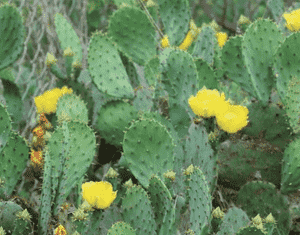
Opuntia orbiculata (Opuntia orbiculata)
Also known as: Roundleaf Pricklypear
Opuntia orbiculata is a species of cactus known for its disk-shaped pads and vibrant flowers, commonly found in arid and semi-arid regions.
In This Article
Attributes of Opuntia orbiculata
Lifespan
Opuntia orbiculata, also known as the roundleaf prickly pear, is a perennial plant.
Plant Height
1-2 feet
Spread
1-2 feet
Leaf Color
Green
Flower Size
0.5-1 inches
Flower Color
Yellow
Images of Opuntia orbiculata
Quickly Identify Opuntia orbiculata
1
Look for flat, round pads with spines and bright flowers, often yellow or orange in color.
Scientific Classification of Opuntia orbiculata
Phylum
Tracheophyta
Class
Magnoliopsida
Order
Caryophyllales
Family
Cactaceae
Genus
Opuntia
Planting and Growing of Opuntia orbiculata
Care Difficulty
Moderate
Watering Schedule
Every 2 days
Sunlight Requirements
Full sun
Sunshine Duration
4-8 hours
Ideal Temperature
70-85℉
Soil Type
Potting Mix, Peat Mix
Soil pH
6.5-7.5
Fertilizer Type
Balanced
Pruning Season
Spring, Summer
Pruning Area
Branches, Leaves
Pruning Frequency
2 times a year
Repotting Season
Spring
Pot Type
Plastic, Ceramic
 How to Water Opuntia orbiculata?
Opuntia orbiculata prefers a light watering approach, where you should ensure the soil is thoroughly moistened but not waterlogged. Allow the top inch of the soil to dry out completely before the next watering. In its natural habitat, it's accustomed to arid conditions, hence mimicking these conditions will lead to its healthy growth.
What are the symptoms of an underwatered Opuntia orbiculata?
›
What should I do if my Opuntia orbiculata is not getting enough water?
›
What are the symptoms of an overwatered Opuntia orbiculata?
›
How to save an overwatered Opuntia orbiculata?
›
 What Are the Sunlight Requirements for Opuntia orbiculata?
Opuntia orbiculata thrives in environments with partial to full-day exposure to sunlight. Ideal light conditions improve its pigmentation and encourage more frequent and vibrant flowering occurrences.
What is the ideal lighting condition for Opuntia orbiculata?
›
What solutions exist to achieve the ideal lighting conditions?
›
What are the benefits of achieving ideal lighting for Opuntia orbiculata?
›
 What Is the Ideal Temperature Range for Opuntia orbiculata?
Opuntia orbiculata thrives best in warm temperatures ranging from 70°F to 85°F. This ranger provides the right metabolic environment for photosynthesis and growth, ensuring the plant maintains its optimal health. It's crucial to keep consistent temperatures within this range to avoid any growth hindrance or stress on the plant.
 What Soil is Best for Opuntia orbiculata?
Opuntia orbiculata thrives in well-draining soils. A good drainage system ensures that water doesn't stagnate around the roots, preventing root rot and promoting the plant's overall health. Although this plant prefers soil that is not overly rich, a moderate nutrient level still supports healthy growth. It strikes a balance between fertility and drainage, sustaining the plant without overwhelming it with nutrients. Opuntia orbiculata prefers a somewhat alkaline pH between 6.5 and 7.5. This pH range facilitates nutrient absorption and assists in maintaining the structural integrity of the plant tissues.
 How to Fertilize Opuntia orbiculata?
Opuntia orbiculata requires moderate fertilization. For liquid fertilizer, use a diluted solution at half strength to avoid burning the roots. For slow-release granules, apply as per the package instructions, usually about 10 grams per plant, to provide a steady nutrient supply without overwhelming the plant.
 How to Prune Opuntia orbiculata?
First, ensure you have sharp and sterilized pruning shears to prevent any damage or disease. Start by identifying pads that are dead, damaged, or overcrowded. Hold the pad you intend to remove gently yet securely and make a clean cut at the joint where it attaches to the main stem. Avoid pulling or twisting, as this can damage the plant. After removing the unwanted pads, allow the wound to naturally callous over to prevent infection.
 How to Propagate Opuntia orbiculata plant?
1
Choose healthy and mature segments free from blemishes or disease. Opt for sections that are firm to the touch and show no signs of damage.
2
After cutting, allow it to dry and form a callus over a period of days to prevent rot when planted.
3
Once callused, plant the cutting in a well-draining soil mix. Place the section partially into the soil to provide stability while roots form.
 How to Repot Opuntia orbiculata plant?
1
Repot Opuntia orbiculata when its roots fill the pot, growth slows down, or after a couple of years. Look for roots emerging from drainage holes or a noticeable slowdown in growth, indicating the roots need more space.
2
Choose a pot that is slightly larger than the current one, with drainage holes to prevent waterlogging. A slightly larger pot allows Opuntia orbiculata's roots to expand, while drainage holes ensure excess water doesn't lead to root rot.
3
Select a well-draining cactus mix, possibly mixed with perlite or sand. This soil type replicates the natural arid environment, allowing for quick drainage, essential for the health of Opuntia orbiculata, preventing root rot and overwatering.
Toxicity
Ingestion
WARNING
The judgment on toxicity and danger is for reference only. We DO NOT GUARANTEE any accuracy of such judgment. Therefore, you SHALL NOT rely on such judgment. It is IMPORTANT TO SEEK PROFESSIONAL ADVICE in advance when necessary.
Learn More About Opuntia orbiculata Diseases
Anthracnose
Bacterial Leaf Spot
Bacterial Soft Rot
Chemical Injury
Crown Gall
Damping-off
Drought Stress
Fusarium Wilt
Gray Mold
Leaf Spot
Mosaic
Nutrient Deficiency
Nutrient Toxicity
Powdery Mildew
Root Rot
Root-knot Nematode
Rusts
Sooty Mold
Spider Mites
Temperature Stress
Thrips Damage
White Mold

