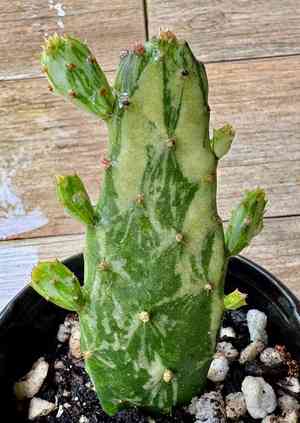
Drooping prickly pear (Opuntia monacantha)
Also known as: Common prickly pear, Cochineal prickly pear
Drooping prickly pear (*Opuntia monacantha*) is a rapidly growing succulent that can reach heights of up to 6 meters. During the summer, it produces striking yellow to deep orange flowers, measuring up to 8 cm in length and 10 cm in width. The plant yields large, reddish-purple fruits that mature in the fall. For optimal growth, it requires full sunlight and thrives in sandy, well-drained soil.
In This Article
Plant Comprehensive Care Guide: Beginner's Introduction and Key Details
Perfect for beginners starting their plant care journey
→
10 Secrets to Making Drooping prickly pear Grow Faster (A Must-Read for Beginners)
Advanced tips to accelerate your plant's growth
→
Care "Black Tech": 10 Little-Known Highly Effective Maintenance Tips
Expert-level techniques for optimal plant care
→
Attributes of Drooping prickly pear
Lifespan
Perennial
Plant Type
Succulent, Shrub, Tree
Plant Height
2 m to 6 m
Spread
75 cm
Leaf Color
Green
Flower Size
8 cm
Flower Color
Yellow Red
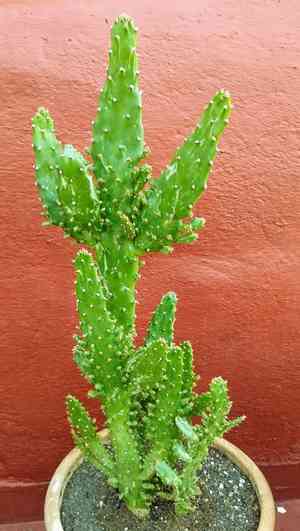
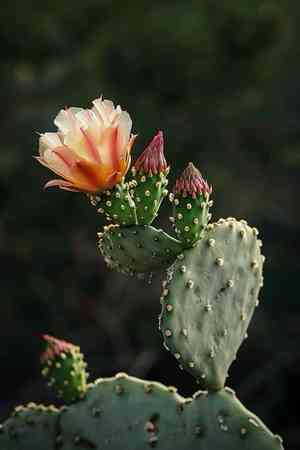
Images of Drooping prickly pear
Quickly Identify Drooping prickly pear
1
Identify Opuntia monacantha by its drooping, flattened, and segmented green stems. The stems have numerous areoles and spines. Its flowers are typically large, yellow, and bloom at the tips of the segments.
Scientific Classification of Drooping prickly pear
Phylum
Vascular plants
Class
Dicotyledons
Order
Pinks, cacti, and allies
Family
Cactuses
Genus
Prickly pear
Species
Drooping prickly pear
Planting and Growing of Drooping prickly pear
Care Difficulty
Easy
Watering Schedule
Every 2 days
Sunlight Requirements
Full sun
Sunshine Duration
4-8 hours
Ideal Temperature
60-85℉
Soil Type
Potting Mix, Peat Mix
Soil pH
6.5-7.5
Fertilizer Type
Balanced
Pruning Season
Spring, Summer
Pruning Area
Branches, Leaves
Pruning Frequency
2 times a year
Repotting Season
Spring
Pot Type
Plastic, Ceramic
 How to Water Drooping prickly pear?
Opuntia monacantha should be watered thoroughly until water drains out of the bottom of the pot. This ensures that the entire root system gets enough moisture without leaving the soil waterlogged. Remember, the goal is to mimic the occasional but heavy rainfalls found in its natural habitat.
More About Watering Techniques→
What are the symptoms of an underwatered Drooping prickly pear?
›
What should I do if my Drooping prickly pear is not getting enough water?
›
What are the symptoms of an overwatered Drooping prickly pear?
›
How to save an overwatered Drooping prickly pear?
›
 What Are the Sunlight Requirements for Drooping prickly pear?
Opuntia monacantha thrives in full sun conditions. Ideal light promotes denser growth, vibrant coloration, and overall health, enabling the plant to withstand environmental stress more effectively.
More About Sunlight Requirements Techniques→
Optimal Conditions
›
Solution Details
›
Benefit of Ideal Light
›
 What Is the Ideal Temperature Range for Drooping prickly pear?
The ideal temperature range for Opuntia monacantha is between 60°F and 85°F. Within this range, the cactus can thrive and grow optimally, as it allows the plant to efficiently carry out photosynthesis and metabolic processes.
 What Soil is Best for Drooping prickly pear?
Opuntia monacantha thrives in well-drained soil, which prevents root rot and allows for proper aeration. Proper drainage ensures the cactus receives the right amount of moisture without risking waterlogged roots, promoting healthy growth. Though Opuntia monacantha is quite hardy, it does benefit from soil enriched with organic matter. This nutrient boost encourages robust growth and vibrant coloration in the cactus pads. The inclusion of sand in the soil mix is beneficial for this cactus species, as it mimics its natural habitat, ensuring optimal drainage and preventing soil compaction, which can lead to stunted growth.
More About Soil→
 How to Fertilize Drooping prickly pear?
Opuntia monacantha benefits from light feeding due to its natural habitat in nutrient-poor conditions. Use approximately a quarter of the recommended dosage for cactus-specific fertilizers to avoid over-fertilization, which can cause weak, leggy growth.
 How to Prune Drooping prickly pear?
Inspect the cactus for any damaged or diseased pads, which should be cut off back to the base to prevent decay and pest infestations. Always dispose of these pads properly. Use pruning to shape Opuntia monacantha to your desired size and form. Cut back any overgrown or awkward branches to encourage a more balanced growth habit. If the plant is becoming too large or spreading, remove some of the outer pads to manage its size effectively. This will also allow more light to penetrate the plant, promoting healthier growth.
 How to Propagate Drooping prickly pear plant?
1
Choose healthy segments from a mature Opuntia monacantha cactus, ideally at least six months old. Use a clean, sharp tool to cut a segment with at least two joints. Let the cuttings dry for a few days before planting, allowing the cut ends to callous over to prevent rot.
2
Once the cuttings have dry calloused ends, plant them in a well-draining cactus soil mix. The soil should be lightly moist but not wet. Place the cuttings upright in the potting mix, pressing gently until stable.
3
After planting, refrain from watering the cuttings immediately. Once roots begin to develop, usually in a couple of weeks, start a watering routine, allowing the soil to dry out completely between waterings to prevent root rot.
 How to Repot Drooping prickly pear plant?
1
Opuntia monacantha usually requires repotting when its roots become visible through the drainage holes or it starts appearing too large for its current pot. The best time to do this is early in the growing season, Spring or Summer, when the plant is actively growing. This ensures that the cactus has the energy to recover from the transplantation process.
2
Select a pot that is slightly larger than the current one, ensuring it has adequate drainage holes. Cacti like Opuntia monacantha thrive in pots that allow their roots to spread while also preventing water accumulation. A terracotta pot is ideal, as it is porous and helps regulate moisture levels, protecting the cactus from root rot.
3
Opt for a well-draining cactus mix, possibly mixed with some coarse sand or perlite to improve aeration. Such a mix mimics the cactus's natural rocky and sandy habitat, providing essential nutrients while preventing water from accumulating around its roots and leading to potential rot.



