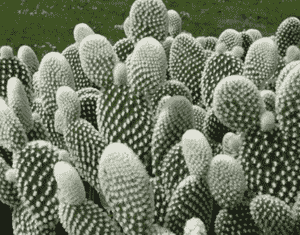
Angel's-wings (Opuntia microdasys)
Also known as: Cinnamon Cactus, Polka Dot Cactus, Polka-dot cactus
The Bunny Ears Cactus (*Opuntia microdasys*) is a flowering cactus species native to Mexico. It's also known by other names such as Angel's Wings, Bunny Cactus, or Polka-Dot Cactus. This cactus is often used as an ornamental plant for borders and gardens. While it is related to *Opuntia rufida*, which has a reddish color, some scientists believe they may be the same species.
In This Article
Attributes of Angel's-wings
Lifespan
Perennial
Plant Type
Succulent, Shrub
Plant Height
30 cm to 1 m
Spread
60 cm
Leaf Color
Green
Flower Size
2.5 cm to 5 cm
Flower Color
Yellow
Images of Angel's-wings
Quickly Identify Angel's-wings
1
Thick, oval-shaped stem segments covered in white needle-like glochids.
2
Pad-like cladodes with small clusters of barbed glochids, resembling rabbit ears.
3
Vibrant, spineless fruit with a fuzzy pubescent covering in red to purple hues.
4
Cream-colored cup-shaped flowers with frilled petals and dark-tipped styles.
5
No traditional leaves; instead, green, rounded cladodes dotted with glochids.
Scientific Classification of Angel's-wings
Phylum
Vascular plants
Class
Dicotyledons
Order
Caryophyllales
Family
Cactuses
Genus
Prickly pear
Species
Angel's-wings
Planting and Growing of Angel's-wings
Care Difficulty
Easy
Watering Schedule
Every 2 days
Sunlight Requirements
Full sun
Sunshine Duration
4-8 hours
Ideal Temperature
65-77℉
Soil Type
Potting Mix, Peat Mix
Soil pH
6.5-7.5
Fertilizer Type
Balanced
Pruning Season
Spring, Summer
Pruning Area
Branches, Leaves
Pruning Frequency
2 times a year
Repotting Season
Spring
Pot Type
Plastic, Ceramic
 How to Water Angel's-wings?
When watering Opuntia microdasys, it is important to provide just enough moisture to mimic its natural arid environment. Aim for around 50ml during each session, ensuring that the soil is allowed to dry out completely between waterings. Overwatering should be avoided at all costs, as the plant is susceptible to root rot.
More About Watering Techniques→
What are the symptoms of an underwatered Angel's-wings?
›
What should I do if my Angel's-wings is not getting enough water?
›
What are the symptoms of an overwatered Angel's-wings?
›
How to save an overwatered Angel's-wings?
›
 What Are the Sunlight Requirements for Angel's-wings?
Given its desert origins, Opuntia microdasys benefits from full sun, mimicking its natural habitat. This light promotes healthy pad growth and optimal physiological functions.
More About Sunlight Requirements Techniques→
What is the ideal lighting for Opuntia microdasys?
›
How can I achieve the ideal light conditions for Opuntia microdasys?
›
What benefits does Opuntia microdasys gain from ideal lighting?
›
 What Is the Ideal Temperature Range for Angel's-wings?
Opuntia microdasys thrives in temperatures ranging from 65°F to 77°F. This range imitates its natural habitat in arid and semi-arid conditions, where it receives ample sunlight and warmth. Maintaining this temperature range is crucial for the plant's healthy growth and development, as it encourages active photosynthesis and optimal water absorption.
 What Soil is Best for Angel's-wings?
Opuntia microdasys thrives in well-drained soils to prevent root rot. The soil allows excess water to quickly escape, which is crucial for the health of this drought-tolerant plant. This cactus species prefers nutrient-poor soil as it simulates its natural habitat. Overly rich soil can lead to poor growth and a higher risk of disease. The coarse texture of sandy soil is ideal for Opuntia microdasys as it facilitates aeration and prevents the soil from becoming compacted, which is essential for root health.
More About Soil→
 How to Fertilize Angel's-wings?
Opuntia microdasys, known as the bunny ear cactus, requires minimal fertilization. Use a diluted liquid cactus fertilizer, such as a 10-10-10 formula, at a quarter strength, especially during the growing season in spring and summer. Avoid fertilizing in fall and winter, as the plant's growth slows down.
 How to Prune Angel's-wings?
Start by identifying any dead, diseased, or damaged pads. These are usually discolored and can easily harbor pests or fungi. Removing them helps improve air circulation and overall plant health. Use a sharp, sterilized knife or pruners to carefully remove the pads you wish to prune. Cut at the joint where the pad connects to the plant, taking care not to damage the main stem. It's important to prune selectively, only removing pads that hinder the plant’s growth or appearance. After removing the dead or unwanted pads, step back and assess the shape of your cactus. Trim back any additional pads as necessary to create a balanced and pleasing form. Be mindful not to over-prune, as excessive removal can stress the plant.
 How to Propagate Angel's-wings plant?
1
Choose mature, healthy pads from a mother plant. They should be plump and free from damage or signs of disease to ensure the best chances of successful propagation.
2
After cutting the pads, allow them to dry and form a callous over the cut surface. This process can take several days and helps prevent rot when the pads are placed in soil.
3
Once calloused, plant the pads upright in a well-draining potting mix. Insert the bottom end into the soil about an inch deep to provide stability while roots develop.
 How to Repot Angel's-wings plant?
1
The best time to repot Opuntia microdasys is during spring or early summer when the plant is actively growing. Signs that your plant needs repotting include roots appearing through drainage holes, slow growth, and compacted soil. Repotting during its growing season minimizes transplant shock and promotes new root development.
2
Select a pot that is slightly larger than the current one, ideally with a diameter just 1-2 inches bigger. Opt for a pot with good drainage holes to prevent waterlogging, which can lead to root rot. A breathable material like terracotta ensures better moisture evaporation, which is beneficial for cacti.
3
Opt for a well-draining cactus or succulent mix combined with perlite or coarse sand to ensure maximum drainage. The soil should be loose and airy, minimizing the risk of rot by preventing excessive moisture retention around the roots. This type of soil mix supports vigorous growth and healthier roots.



